Feeds:
Posts
Comments

On Time

I think about time.

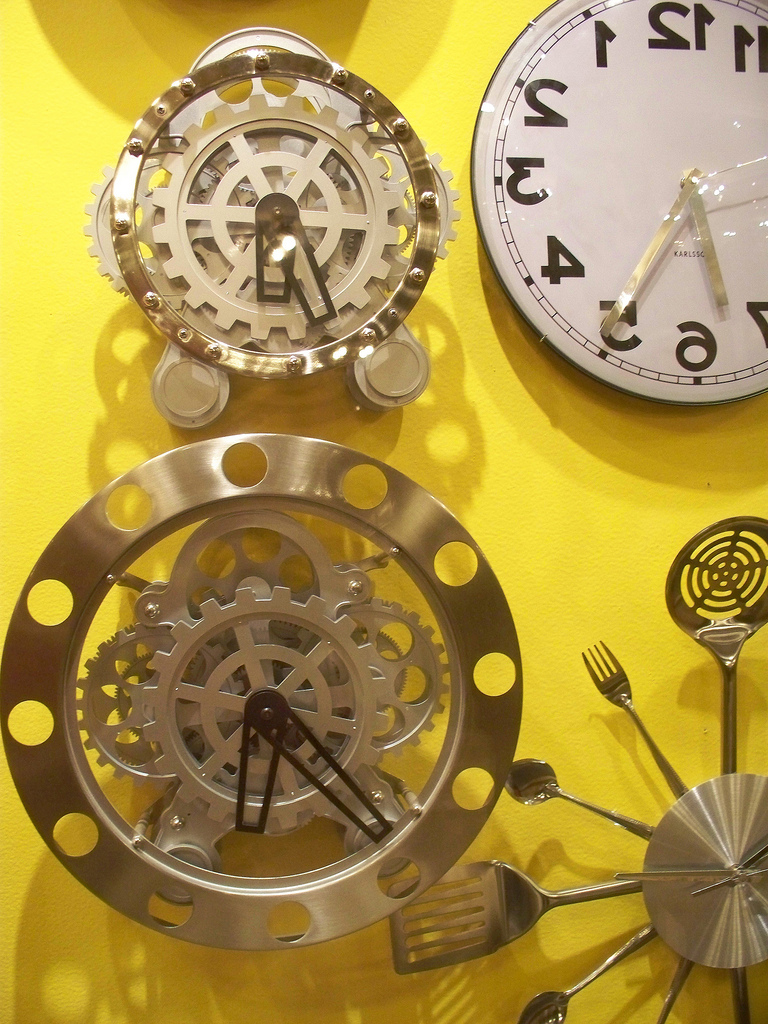
Time is real. We measure it. We build highly accurate mechanisms to measure the seconds, minutes, hours, and days that make up the stream. We measure time in sand, in wind-up gears, in digital signals. We solve word problems combining time and distance and velocity.

Photo Credit: psyberartist via Compfight cc

Photo Credit: psyberartist via Compfight cc

We track time. We measure our lives in years and birthdays. We cycle through seasons, through school years, through periodic trips to the doctor, the dentist, and then the rent check is due again at the first of the month.

Time is subjective. Time has a feeling. It slows to a crawl; it speeds so fast it’s invisible to the naked eye. It doesn’t do what we want it to do. Time weighs heavily upon us, or it is so light it’s hard to believe so much of it has already passed.

Time is deceptive. It’s so easy to live in the past or the future, and to forget about the now. Sometimes I sit and let it slip by, second by second. Sometimes I am silent, as if silence will halt its flow.

Sometimes I even cry, but time, it never listens to me. It keeps right on going, as fast or as slow as it’s going to go.

And then it’s tomorrow, and then it’s tomorrow.

And then it’s tomorrow.

And things have changed again.

When you have a lot on your mind, going to the Rainforest Writers Retreat is a pretty great thing to do.

There’s something so freeing about having no cell reception. No one can reach you. NO ONE. Even the internet is unreliable and spotty, and by Saturday it sputtered out almost completely.

Without the internet and my cell phone, the world grows large once more. Large, and quiet. There is extra space around myself and every action I take. I can relax into myself and really listen. I care about depth, and with more space I can sink in and take a look at the heart of things. I can see what I feel, and why I feel, and what has happened, and where I might go next.

Also I write. I write and write, and then I write some more. I write until my characters and their stories feel almost as real as everything else around me. I become intoxicated on writing, and my brain feels slippery, and the words rise up from where they’ve been coiled inside me, and I emerge feeling dazed and virtuous and a little bit raw around the edges.

Also I spend time with my friends. We talk about what’s going on with our lives, and we listen to and support each other, and we laugh until our diaphragms hurt, and we eat a lot of salmon and soup, and they drink lots of Scotch and whiskey while I have my signature drink. When we aren’t talking about other things, we are talking about writing, and it is such a grand relief to talk to people who understand what it is to have writing inhabit such an integral role in life.

I live, I write. I overflow with happiness, I write. Everything goes to shit, I write. I’m done with so…many…things, just done, I write. And when I don’t write, that’s when I fear the most. Writing isn’t like breathing, not really, but when there are no words, when they’ve all dried up and I feel as fragile as spun sugar, it’s never a good thing.

And sharing this backbone with other people, it makes me feel more known.

20160224_180644-EFFECTS

You never know in advance which decisions are going to prove to be particularly good ones. But going to Rainforest for the first time was definitely one of them.

Paradise

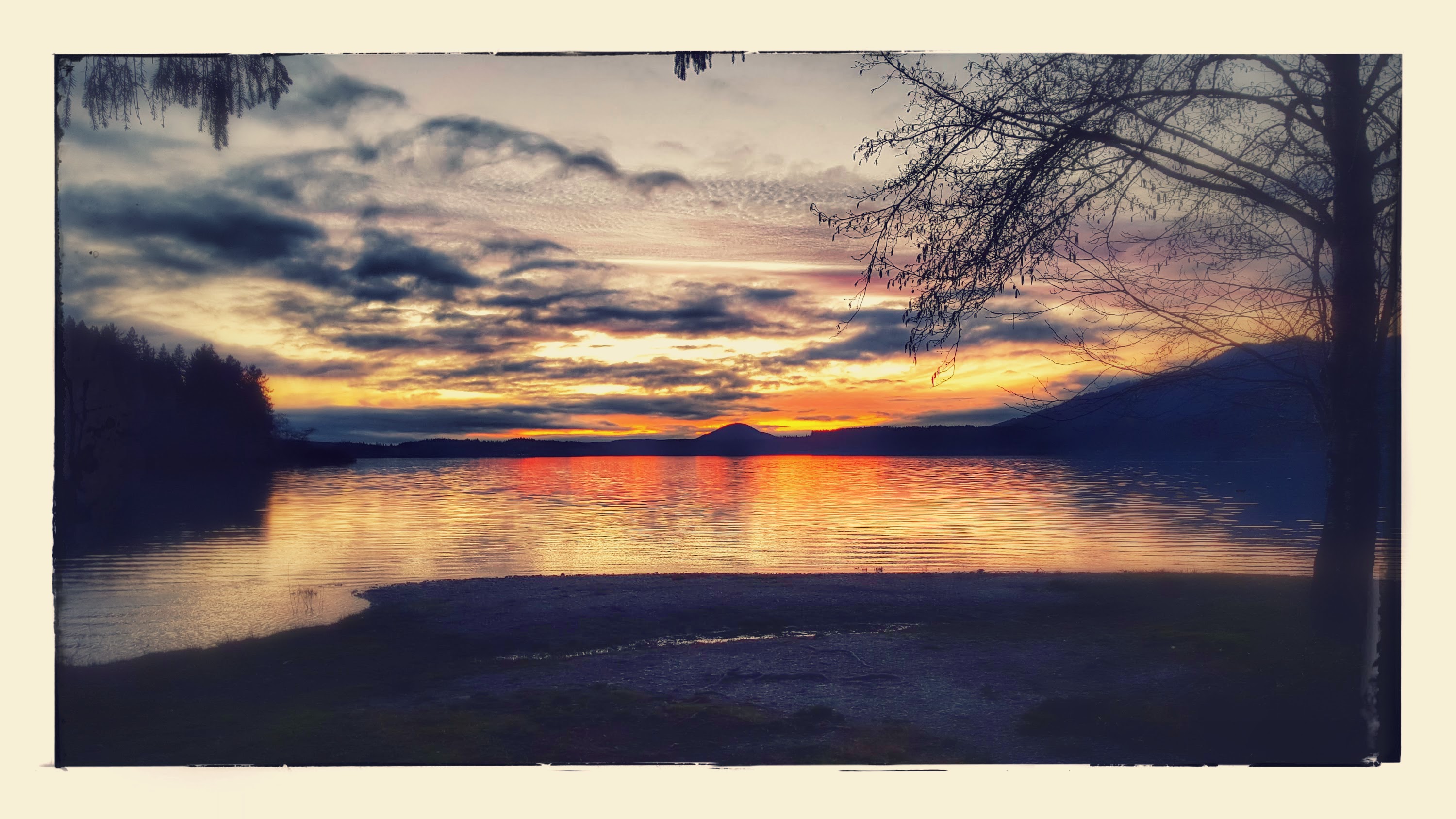
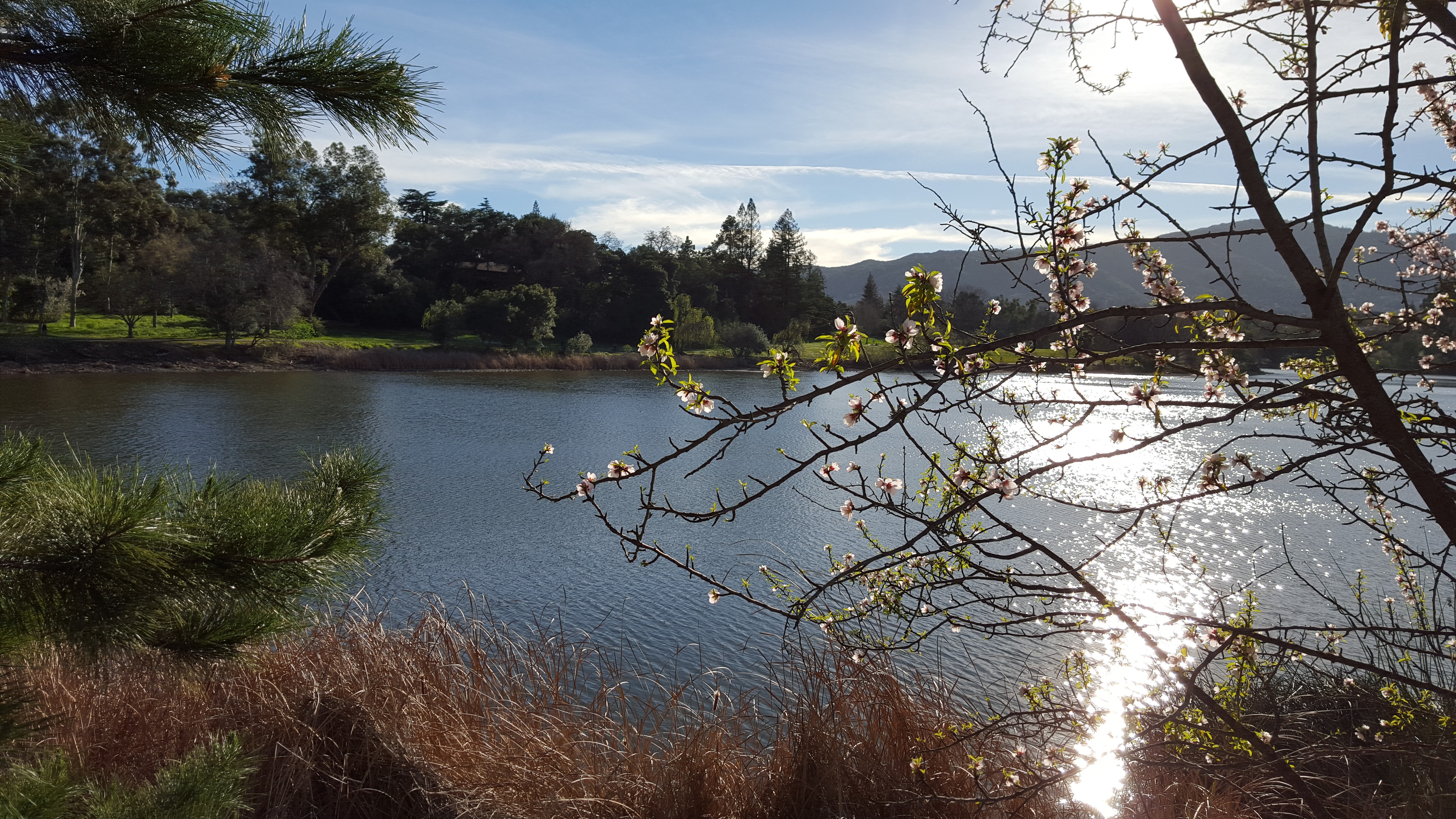
Here is where I am right now:

Photo by Amy Sundberg (Hey, that's me!)

Photo by Amy Sundberg (Hey, that’s me!)

Enjoy your Thursday!

I was thinking the other day about how so many of my interests have been influenced by friendship.

Certainly not all of them. I’ve been a reader, writer, and musician since I was seven, and those interests have remained steadfast in the intervening years. But even those interests were encouraged by someone, only the someone in this case was my mother, who made sure we had a piano and piano lessons, who took me to the library twice a month and read aloud to me every day, who came into my first grade classroom and taught us all how to write stories using those newfangled personal computers. Likewise, I started hiking as soon as I could walk because it was a family activity. I started playing board games and computer games because my dad and sister liked them, I started liking travel when my dad took me to Paris, etc.

But even now as an adult, I find my interests evolve and deepen in interesting ways based on my friends.

I’d gotten kind of sick of board games. I really liked BSG, but otherwise wasn’t very enthusiastic. But then a friend of mine invited me to a game night and introduced me to Dominion, which I enjoyed, and I made other friends there who introduced me to other games I really liked too. And then I began to seek out games myself and talk to other people who also liked games and gave me their recommendations. And before long, I knew a fair amount about board games.

I’ve always loved music, but I didn’t used to go to hardly any live shows. I didn’t go to my first proper rock concert until I was twenty-three, and in one of the greatest serendipitous acts of my life, bumped into a friend of mine in Vienna who was going to get tickets to see U2, who were one of my very favorite bands.

But it wasn’t until much later that I began to go to shows more regularly. My friend invited me to one, and I tried it out and discovered I loved it. So I went to another, then another. I asked how he kept track of all the dates and he introduced me to Songkick. And now I go to a show probably every month or so.

Same thing with theater. I liked theater a lot, and once I taught musical theater, I made an effort to go to more shows. But I started liking theater even more when I made a friend who is hugely knowledgeable about theater and always knows what’s playing and can discuss the show at length with me afterwards. And so I started going more.

And we mustn’t forget dancing. I started dancing originally because of musical theater. And then I stopped. And then I began dancing when I lived in London because my stepmom at the time knew of a good class she thought I’d like. And then I moved back to the States and I stopped. And then I heard about blues dancing multiple times, but at first I thought, “Oh, partner dancing,” and then later I thought, “Too many injuries.”

But then I was no longer injured (hooray!) and my good friend had started dancing a lot, and I became curious. So I told her to let me know sometime I could come with her. And I fell in love, and that was a year ago now.

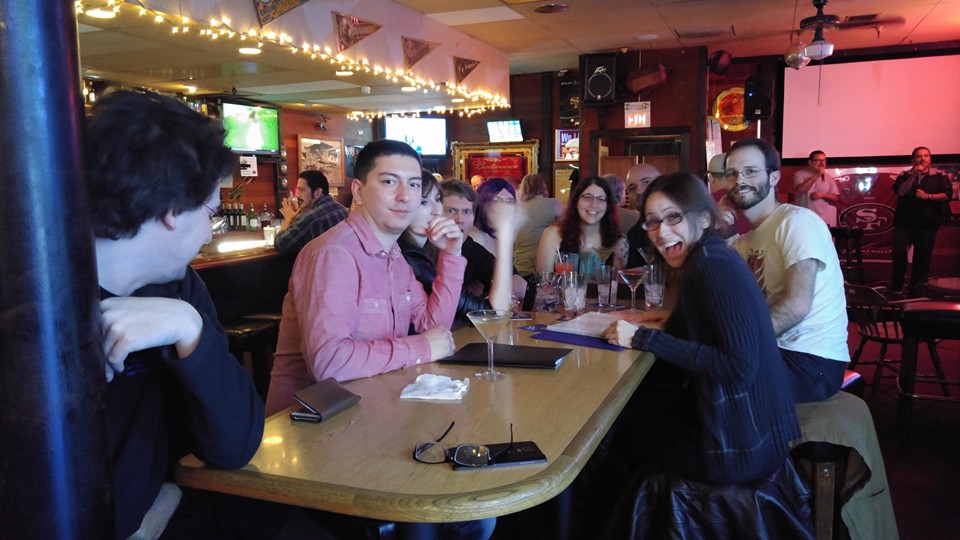
Somehow my friends even got me to sing karaoke. I don't know how THAT happened.

Somehow my friends even got me to sing karaoke. I don’t know how THAT happened.

Thinking of all these interests I’ve rediscovered and/or deepened through my friends, I feel very lucky. By sharing the things they love, they’ve made my life so much richer.

Next up? I’m on the lookout for a movie friend. I can usually find someone to watch the latest action flick with me, but none of my three favorite movies from last year were big blockbusters. I heard about one from a new acquaintance by chance, and by chance I was also with a friend who wanted to see it at the time, so we went (What We Do in the Shadows). And at that movie I saw the preview for another movie I wanted to see (Mr. Holmes). And at that movie, I saw the preview for another movie I wanted to see, and that movie ended up being my favorite of the year (The End of the Tour). So having a friend (or friends) to help with the discovery of these types of movies (and talk to me about them afterwards) would be incredible.

And in the meantime, I will continue to marvel at the way our friends end up influencing us in so many different ways.

On Progress

20160214_154944

And the day came when the risk to remain tight in a bud was more painful than the risk it took to blossom.” – Anaïs Nin

On Retellings

I’ve been thinking about retellings.

A few years ago I wrote a retelling of Beauty and the Beast, and I’ve recently started a new novel that is also a retelling. I’ve done a few short story retellings as well.

So yeah, my sample size isn’t all that big. But just large enough to give me food for thought.

Anyway, what I find in retellings is that things tend to get dark. And I’m inevitably a bit surprised when this happens. Originally I meant for the Beauty and the Beast retelling to be on the light side, maybe even a little frothy, which blows my mind now, because that is not how I’d categorize that novel at all. It is, in many ways, a dark book, and in order to write it, I had to explore some pretty dark places. In fact, before I’d even started writing the rough draft, I realized it was going to be really dark, which changed some of my plans for the story.

And now, with this new retelling, I am finding some similar darkness. Not as much, I don’t think, but again, this wasn’t supposed to be a dark story at all.

Now, you might be saying, well, maybe it’s you, Amy. Maybe you are drawn to making your stories dark. And that is a valid point.

But I also think I don’t recognize the darkness at the beginning of working on a retelling because the original story is familiar. It doesn’t feel dark. It feels like the way the story goes. It feels normal.

And it’s only when I delve further into the story elements, when I start weaving them into a logical world and a logical story, that I began to realize that something in the story that I am accustomed to is actually pretty messed up. And even when I’m working with something like Beauty and the Beast, which doesn’t take a lot of analysis before its dark side shows up (Stockholm Syndrome, anyone?), I find more dark sides underneath the obvious one that I wasn’t necessarily expecting.

Photo Credit: alfamosa via Compfight cc

Photo Credit: alfamosa via Compfight cc

This is like real life. When we’re used to something, we are less likely to interrogate it. We are less likely to realize it might not actually be normal or that it might not actually be okay. It’s just the way things are, right? And the weirdness or the darkness or the dysfunction becomes invisible, or at least really hard to see.

We see this effect all the time, both personally and systemically. We see it in dysfunctional families when the child doesn’t realize there’s any other way for a family to be. We see it in learned helplessness. We see it in all kinds of dysfunctional interpersonal relations and in thought patterns as well.

And we see it in broader strokes when we look at the way racism and sexism and classism (and other kinds of prejudice) shape American society today. We see it in the myths that allow these institutional injustices to be perpetuated, stories that allow people to ignore the underlying violence that leads to such inequality. We see it in the things we notice on our own versus the things we need pointed out to us.

But just like in writing, through interrogation and empathy, we can challenge what we think we know. And through retelling, we can see other sides of the same old story.

I will be single on Valentine’s Day this year.

Actually, I did some quick math, and I’ve been single for about 70% of all the Valentine’s Days in my life, so this is actually nothing new or unusual.

In general I’ve always been fairly sanguine about Valentine’s Day. A few years ago I spent the evening with a friend of mine who was having trouble with their relationship; we talked about it a fair amount over sushi, and I felt kind of relieved I was single rather than being in a relationship that made me unhappy. Then we watched a silly action flick and all in all, it was one of my favorite Valentine’s Days. I mean, I wish my friend had been happier. But personally, I had a nice time.

Don’t get me wrong, I’m also not anti-Valentine’s Day. I mean, it’s a weird holiday. If someone were proposing it as a new holiday, I don’t know that I’d be in favor. But since it exists, I am not opposed to putting aside a bit of time to feel happy and appreciate a significant other. Plus sometimes I get big bouquets of red roses for Valentine’s Day, and I like roses, so that can work out pretty well.

This year I might get myself flowers, but maybe not roses. I wonder if tulips are in season? I’ve been wanting some tulips ever since I saw this beautiful display of them at Pike Market, but I couldn’t get them then because I was staying in a hotel. And that was almost four years ago, so I’ve been waiting four years for tulips.

Whatever, they’ll totally be worth the wait.

Anyway, a lot of my Valentine’s Days blur together, and since it doesn’t have the strong foundation of tradition that, say, Christmas does for me, it’s hard to get too worked up over it. But I do remember both my best Valentine’s Day and my worst Valentine’s Day.

Worst one first, shall we? I was in college; it was in the first year after my mom died, and she always got me an adorable card for Valentine’s Day, and sometimes also a stuffed animal or sugary treat. Our last Valentine’s Day together, she’d given me a stuffed tiger I’d named Marmalade. So this Valentine’s Day wasn’t going to be good no matter what.

Also this guy and I had started showing a mutual interest in each other (actual concrete dating at Santa Cruz was not super common, at least in my experience), and I liked him a lot, and it wasn’t out of the question that we would spend Valentine’s Day together, but then it turned out he was having some issues with his ex-girlfriend that made it sound like she might not remain his ex-girlfriend. So no Valentine’s Day for us, which was disappointing.

And then on Valentine’s Day itself I got an email from my dad announcing that his girlfriend had moved in with him. This news came in spite of the fact that six weeks before I had told him I wanted to come home for the summer and asked him if he could hold off moving in with her until the following fall, and he had agreed. But now magically it was as if that conversation never happened. (I later found out on my graduation trip that she had actually moved in with him maybe a week or two after we’d had that talk, which made for an interesting graduation trip.) When I called up my best friend, I sounded so stricken he thought someone else had died.

Definitely my worst Valentine’s Day.

Now to cleanse our palates with my best Valentine’s Day. I’d taken the day off work to go look at an apartment in San Francisco. It was a great apartment with a bay window and a lot of character, and if I craned my neck enough, I could just barely see the ocean from the bedroom window. Two weeks later I moved in. And after the interview, I drove down to see the guy I was dating at the time. My memory is a little fuzzy on this point, but I’m pretty sure I beat him home, and he’d left all these Valentine’s Day presents for me to find: flowers, candy, a stuffed animal. And I was surprised and thought it was amazing. It wasn’t super elaborate or anything, but it meant the world to me, and really, that’s all that matters.

This year on Valentine’s Day I’m going to be thinking of my friends, and how grateful I am for you all. You shine, you really do. It’s not that I don’t want or value romantic love, because I do, but I find my friendships matter to me more than I ever would have guessed.

So then that’s what I wish for everyone on this Valentine’s Day. May you be loved by some great people. May you be appreciated. May you feel cherished.

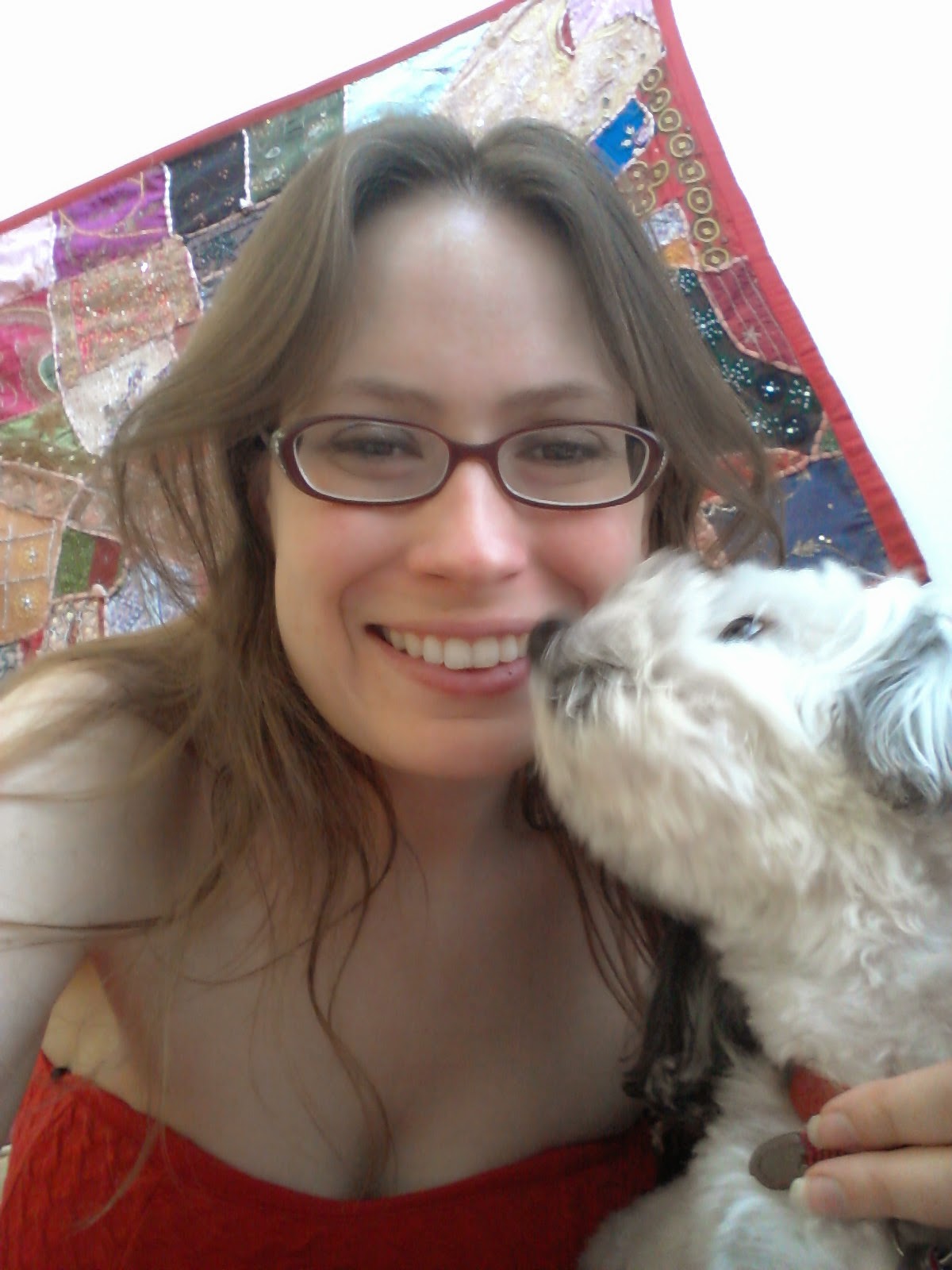
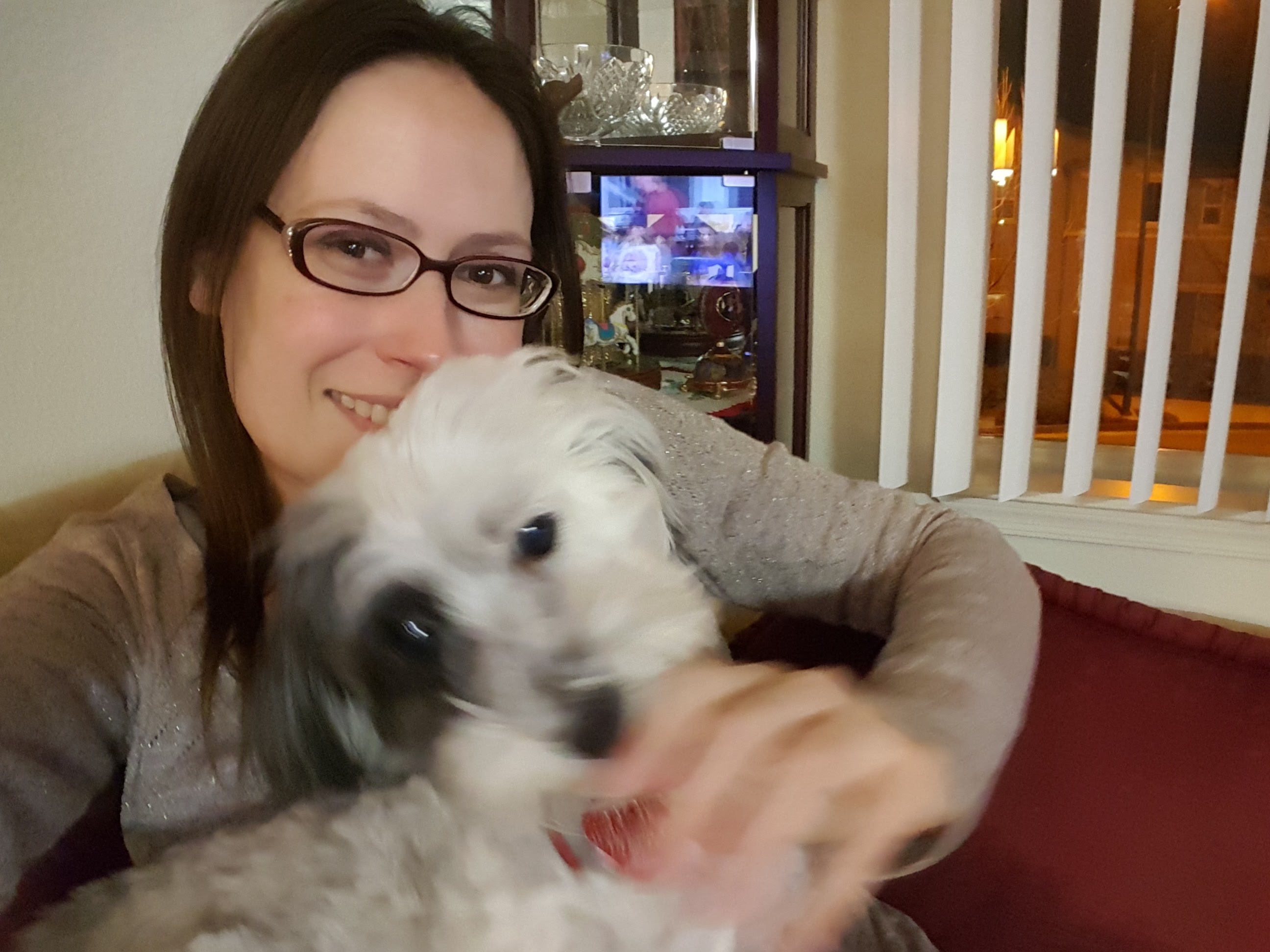
I was going to post a photo with human friends, but then I didn't want to leave anybody out, so here is me with my best dog friend instead.

I have always had a very strong sense of self. Admittedly, it has sometimes become somewhat buried under expectations or confusion or trauma, but even in the hard times, I have known on some essential level who I am.

But it wasn’t until a bit later in life that I realized not everyone has this same confidence in who they are. And once I did understand this to be true, this question both worried and fascinated me: Why? Why do I know who I am? What is it that forms that core sense of self that I am able to fall back on in times of stress and trouble?

And how can I be so very certain of who I am when I also believe myself to be constantly changing, when I enjoy learning and challenging myself? How do I know myself when sometimes my behavior changes, or my environment changes, or my interests change, or my opinions change?

I don’t know that I have a complete answer to this question, but this is what I’ve got so far:

My basic stories about myself are simple. We all tell stories about ourselves, and we start this at a young age. Someone does well on a certain art assignment at school, and then he has a story that he is an artist. Someone wins a competition, and the story of winning can come to define her. We tell stories about our physical and mental attributes, our personalities, our families, our love lives, our careers. And this is perfectly normal.

But I’ve always been clear on my basic story, and my basic story tells both who I want to be, and, because these stories can end up being self-fulfilling prophecies, who I am. I become who I want to be–not all the time, but quite often.

So what are my fundamental stories?

I love the world. I love being alive. I’m curious. I’m determined. I care a lot about resilience, and kindness, and joy.

Does this mean I am always resilient or kind or joyful or happy about what’s going on? No, not at all. But I always care about those traits, and I always come back to the sense of feeling lucky to be alive. Perhaps this is temperament, or a basic value system, I’m not sure. But these things have never changed for me, not over the long term.

I recognize my experience as part of my identity.

For many years, I taught music as a profession. So one of my identities was musician. Now I only do music for fun, and when I get busy, my practice falls by the wayside, sometimes for months at a time.

But being a musician has been folded into who I am. I spent over fifteen years putting huge amounts of time and effort into music. My skills, without so much constant practice, are no longer at their peak. But my thousands of hours as a musician shaped who I am today. How could it not have?

Experience matters. And just because it changes over time does not mean it automatically becomes lost. Experience ripples into the present, in both predictable and surprising ways.

I don’t define myself by comparing myself to others. I have never thought of myself as being the pretty one, or so-and-so’s girlfriend, or the geek girl, or the smart one. I can be all of those things, sure, but that’s not who I think I am, not in the essentials. In fact, when I was voted Most Intelligent in high school, I was completely shocked. And not because of modesty, but because it simply hadn’t occurred to me that being intelligent was the way my classmates defined me.

Who I am is not determined by others. I’m not in some kind of competition with the rest of the human race so I can define myself by whatever traits or skills of mine are better than average, or get more recognition. I’m not merely what other people see in me. And if I meet someone who is better at me at something that is important to me, that doesn’t change anything about me.

I determine for myself who I am.
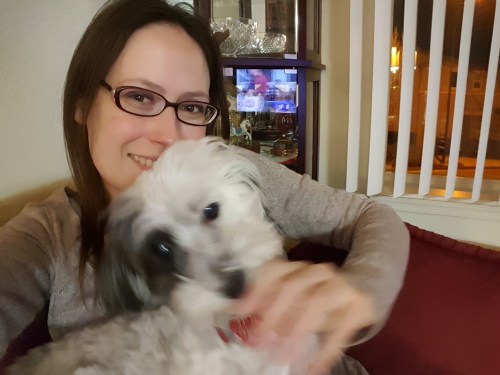
20160203_222453

On Conflicting Advice

In the past, I have had people take advice I didn’t mean to give from this blog.

I rarely mean to give advice. When I sit down to write, I’m not thinking, “Now then, let me tell people how I think they should do x or how they should feel about y.” I’m generally talking about my own experiences, knowing very well that people are different and their concerns are different and what works and doesn’t work for me might have nothing much to do with you. I talk about things I find interesting and things I have learned, but they are all very much colored by me being me.

But advice, well, advice can be tricky. I was reminded of this fact by this post about advice, which contains many examples of two pieces of directly conflicting advice, both of which can be valid. It’s really illuminating to read so many examples back to back. I’ll give you just one here to give you a taste:

“You need to be more conscious of how your actions in social situations can make other people uncomfortable and violate their boundaries” versus “You need to overcome your social phobia by realizing that most interactions go well and that probably talking to people won’t always make them hate you and cause you to be ostracized forever.”

I know people for whom the first piece of advice is probably best, and people for whom the second piece of advice is probably best. I even know people who might benefit from both pieces of advice. So yes, advice is not simple.

Ultimately I think good advice depends a lot on context. Generalized advice is all well and good, but nothing can replace the insights of a therapist or a close friend or family member who knows the specifics about who you are and what your situation is. (This person must also be wise and experienced enough to have helpful insights.) Often situations have many factors at play, so one piece of generalized advice can easily miss a lot of nuance.

In learning how to better set boundaries, for example, I found it very useful to have people I call “sanity checkers:” people who know me and my background and who are very skilled at setting boundaries themselves, who I can get feedback from, run things by, or get help with wordings. I find I need their help less and less as I get more experience, but even so, it’s nice to know I can ask for their expertise if I need it. And sometimes I still definitely do!

The other interesting thing about advice is that you can’t force people to take it. It doesn’t matter if you do know them and their situation, if what’s going on seems really incredibly obvious to you, or how painful it is to watch them suffer. People do things on their own timeline. They’re ready when they’re ready, especially when it comes to accepting hard truths and making difficult changes. Sometimes they’re never ready.

Which means I always feel fairly wary of giving personalized advice. You have to find a way to do it that is gentle enough that it doesn’t alienate the two of you when they probably don’t take the advice. And I try not to give advice unless it’s actually been asked for. There are exceptions to this (oh, nuance!), and we all slip up at this from time to time, of course. Some people feel they need to give advice to be useful, which isn’t really true but can certainly feel true. And sometimes it can be really hard to sit and witness the suffering of someone who is simply stuck and has been for months or even years. That tends to be when I’m most likely to slip up.

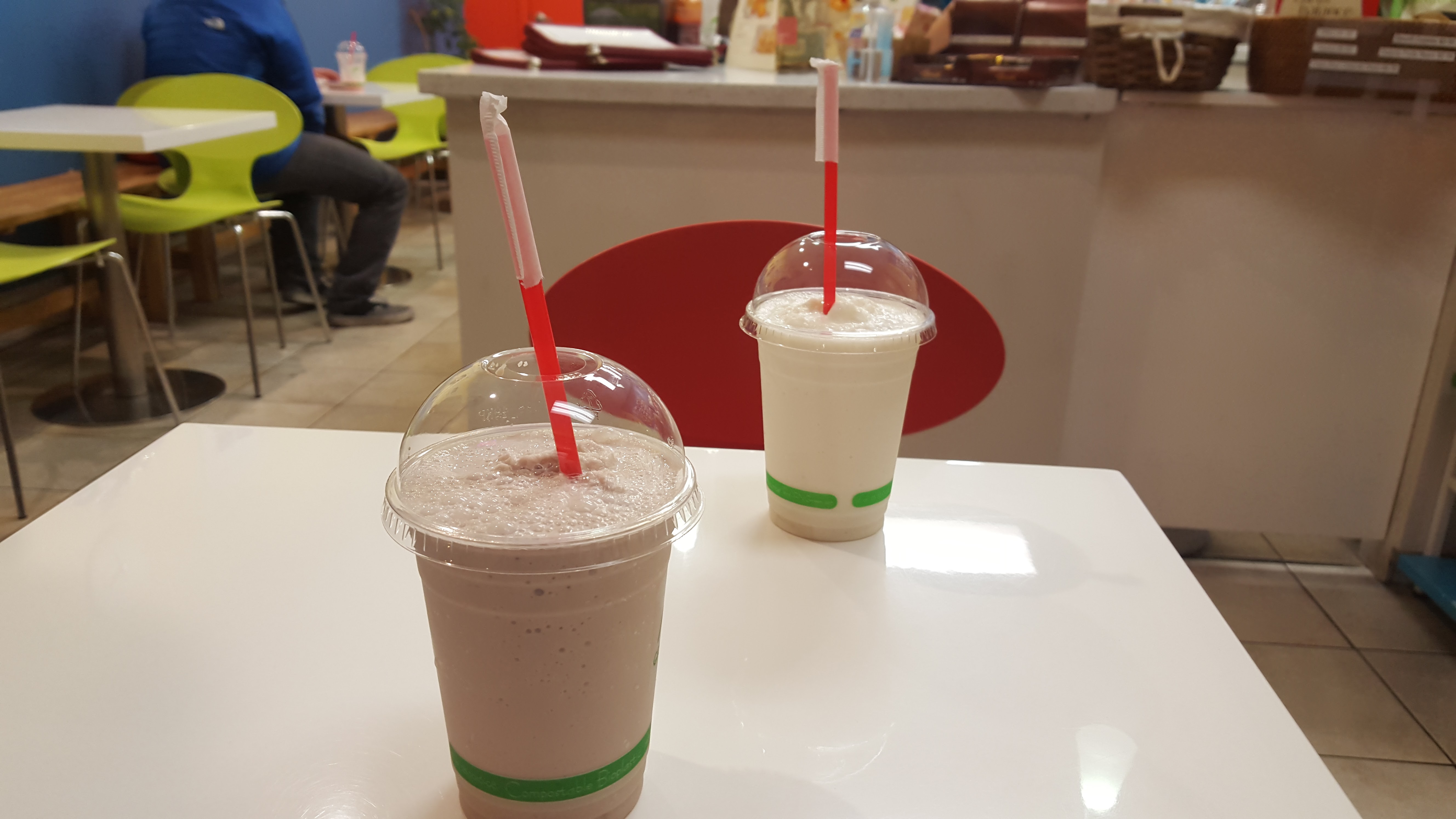
Advice over milkshakes!

Advice over milkshakes!

In conclusion:

Generalized advice: can be helpful, but must be considered in context

Personalized advice: can be helpful, but must find people who are insightful and get you

Giving advice: can be helpful, but usually only if asked to give it and if not too attached to the outcome

So yes, these are my thoughts (but not advice!) about advice.

This is going to be one of my best posts ever. Are you ready?

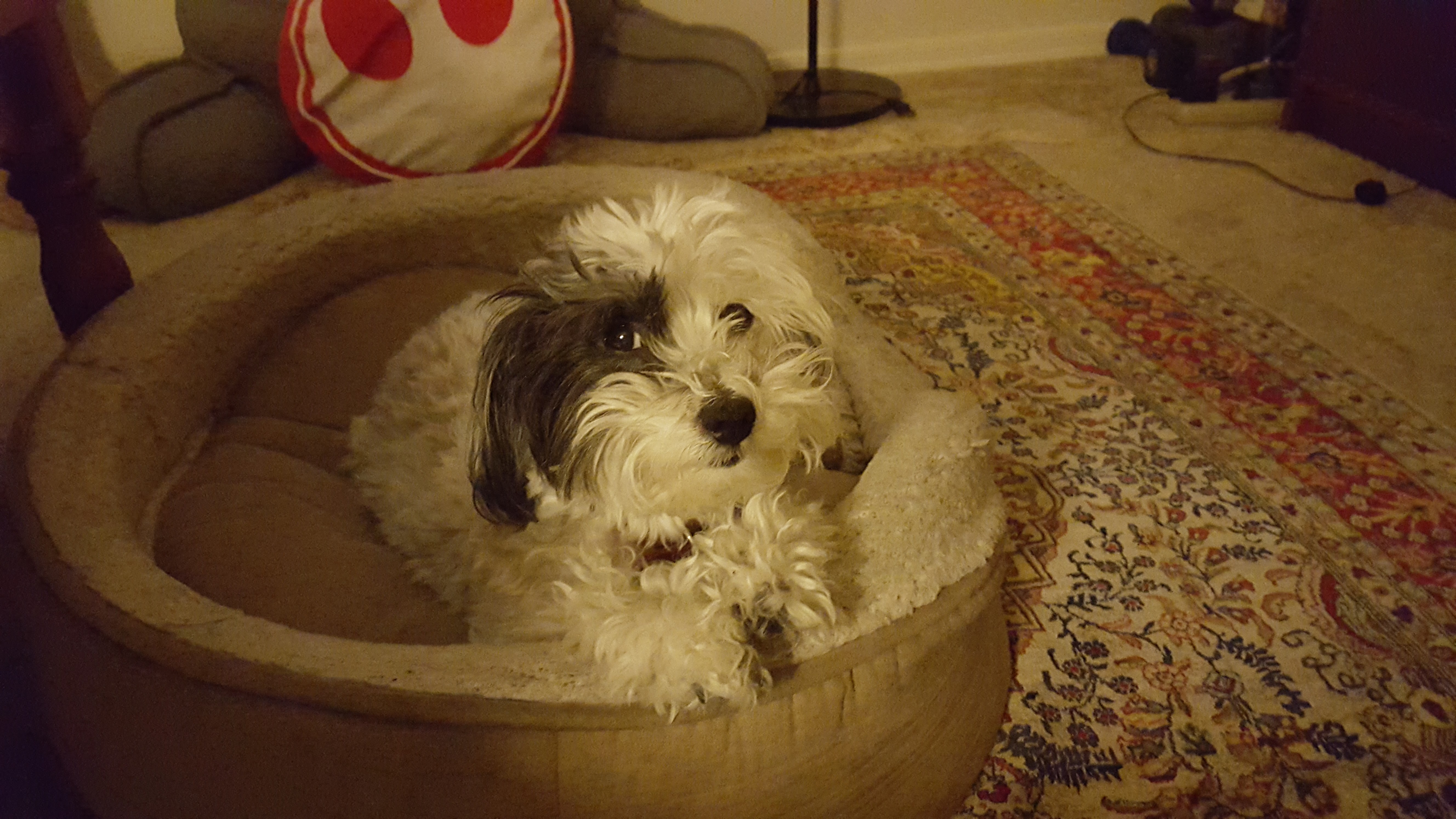
Nala before her haircut:

20160125_174809

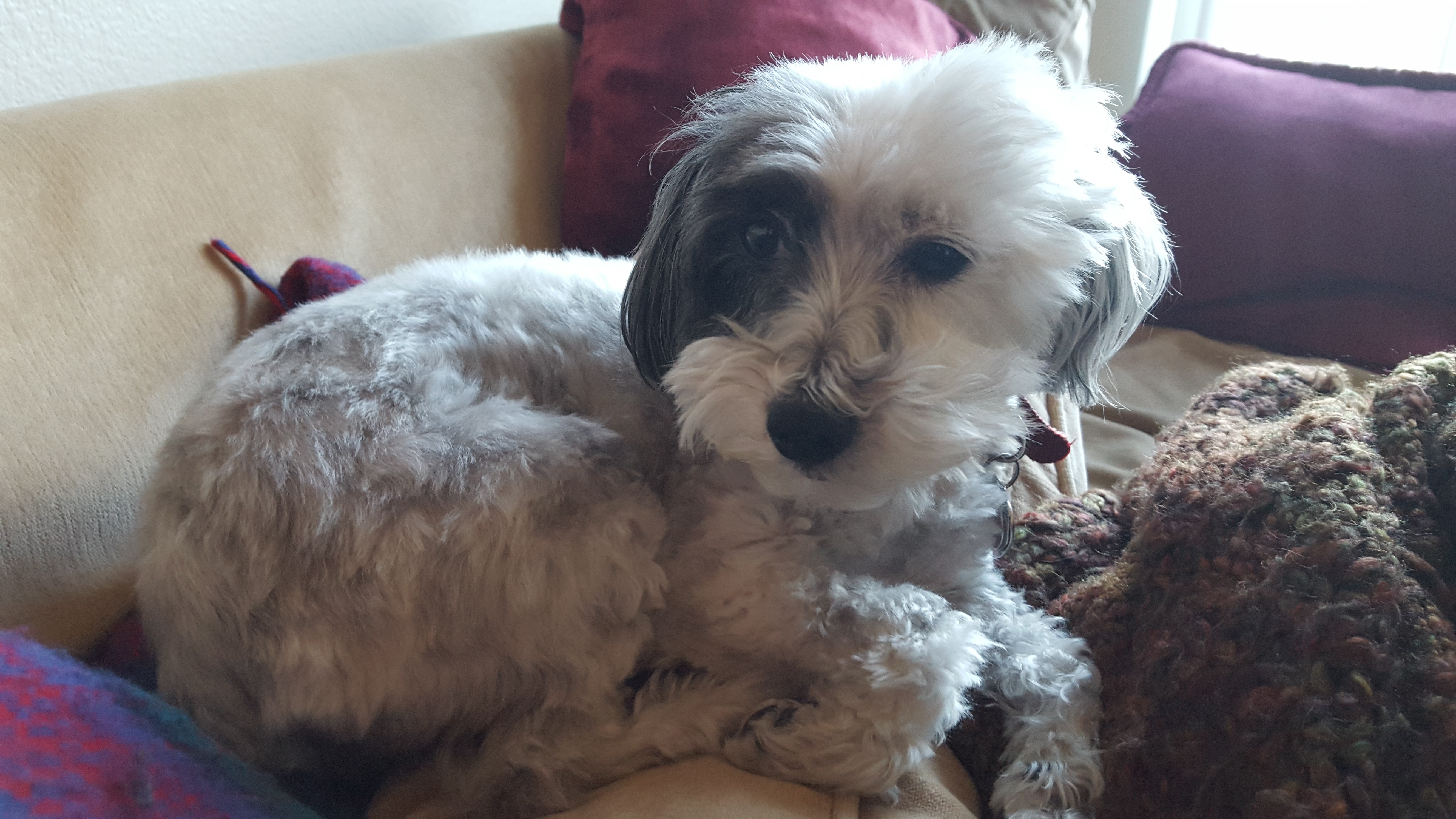
Nala after her haircut:

20160201_165915

You’re welcome.