Feeds:
Posts
Comments

Writing is not glamorous.

I don’t know if there’s anyone left who thinks it is glamorous, but since there are apparently still people who think writers are all rich (excuse for a minute while I try really hard to stop laughing), I bet there are also people who believe in the glamor.

Don’t get me wrong. I love writing (except when I hate it). I’m glad I’m a writer. It suits my personality and my interests like nothing else I’ve discovered. But I don’t love it because it’s glamorous. I love it because I love story and characters and thinking hard and messing about with words and plot points and how is this emotional arc going and playing with index cards and taping them all up on my closet like some very strange modernist piece of art.

There is a little bit of glamor. Occasionally I dress up and go to an awards ceremony that most of the world doesn’t know is happening. I’ve met a few writers I really admire. In my book club, when we were talking about the motivations of the author this one time, I could say, “Well, I’m friends with her, and these were the points that seemed most important to her.” But this isn’t the bulk of my experience.
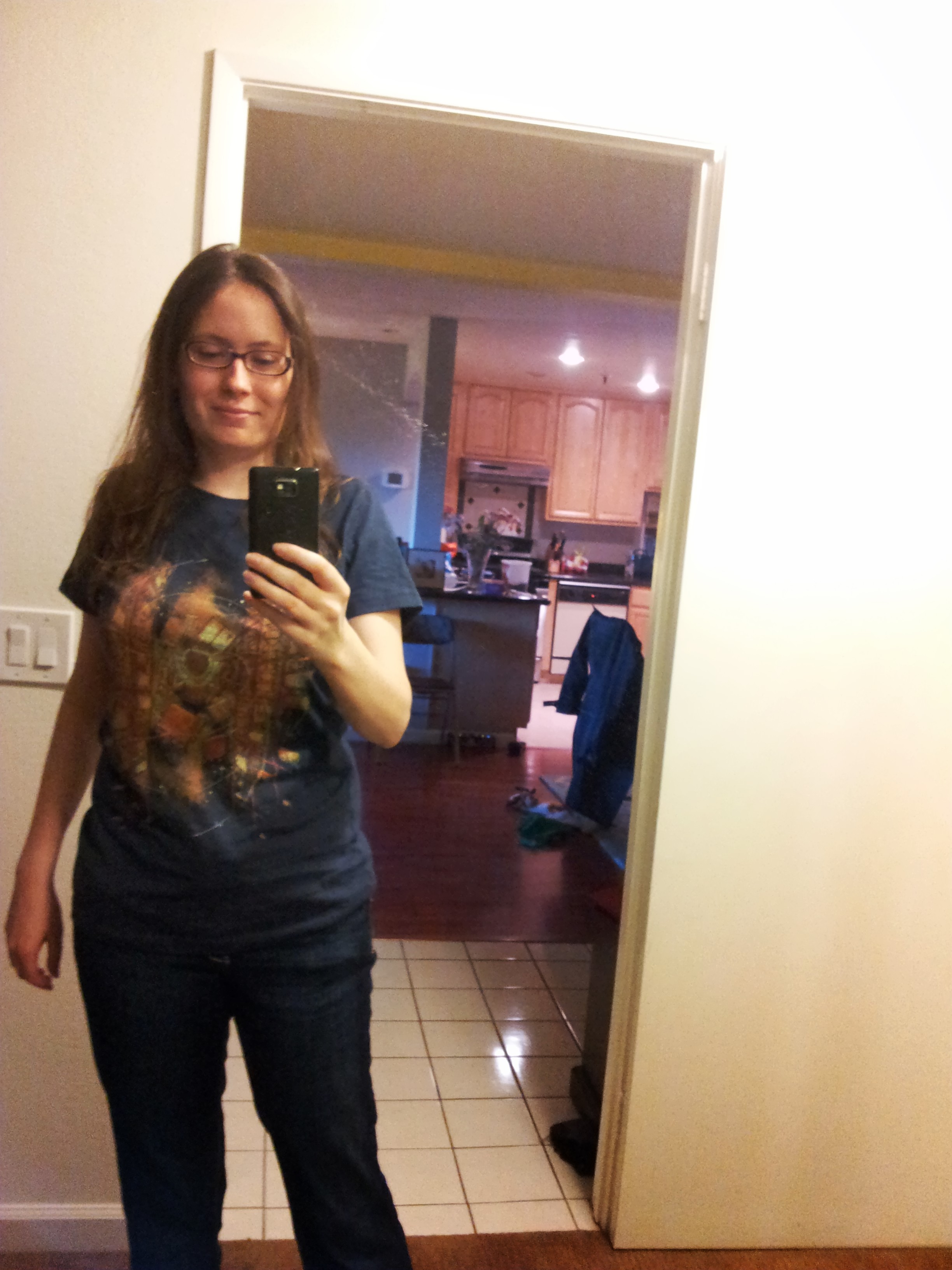
My writing uniform: jeans and a T-shirt.

My writing uniform: jeans and a T-shirt.

Talking about being a writer isn’t glamorous at all. People want to tell you about how they think they could be a writer (Awesome! Go do it.) or they had this one idea and why don’t you use it and split the profits (No thanks, I have plenty of my own ideas) or what about that self-publishing thing they read one article about that one time? They want to talk about the money involved, which I pretty much NEVER want to talk about, or they want to talk about what other job I have, which I also pretty much NEVER want to talk about. They want to know what I have published, even though even if I had a novel out, odds are they wouldn’t have heard of it. They want to tell me how they don’t read, or they used to read, or how their friend’s cousin’s husband’s mother is also a writer. Some of this is fine, some of it is less fine, but none of it is terribly glamorous.

Neither are the daily realities of being a writer. I used to spend large swathes of time in my pajamas until I moved and had to get dressed to take the dog out (although I have considered putting on a coat on top of my pajamas to get around this little problem). I sit at the computer for hours at a time, often not doing all that much. In fact, I’ve become a master starer. Also a master of switching to my browser window when I should be solidly in my word processor window.

I track word counts and pages and chapters and daily goals. I get worried if I’m not in possession of a sufficient quantity of blank index cards. I try to fix problems and then fail and eventually get frustrated and wander to the fridge, only to realize I’m not hungry. Then I go stare at the screen some more. Sometimes I stop and think about how I spend my time, and I’m simultaneously thrilled at what I do and dumbfounded by how boring it all seems from the outside.

“What did you do today?” someone will ask, and I stare in confusion for a moment before saying, “Well, I wrote.” I decide to leave out the getting the mail and washing the dishes and hanging out with the dog and reading a bunch of articles that have nothing to do with anything I’m working on but are pretty interesting and checking to see when that movie I want to see comes out. My days are all very mundane, really. The excitement happens inside my head, completely out of view of the casual observer.

No, writing is not about glitter and wealth and fame. It’s not about slinky sequined dresses every day or eating caviar out of inappropriate stemware. It’s not easy or simple or painless or uniformly pleasant. It’s not about glamor.

It is, for me, about passion, and that’s something I find altogether more interesting.

Words Matter

Thank goodness for Jonathan Carroll and his Facebook page, because whenever my brain is feeling slow, I take a look at what he has posted recently to get my thoughts flowing again. Recently he shared this quotation:

People will kill you over time, and how they’ll kill you is with tiny, harmless phrases, like “be realistic.” – Dylan Moran

This makes me think about how subtle an influence a person can have on us. So subtle, in fact, that often no one in the room is conscious of what’s happening. A comment here, a snort there, and a little body language thrown in for good measure, and our thoughts and emotions can be deeply affected:

“I’m not good enough.”

“Maybe I’m being stupid.”

“My career/life goals aren’t important/valid/valuable.”

It’s so easy to diminish, to de-motivate, to plant the seeds of doubt, to make someone feel lesser. It’s so easy to neglect to listen to what other people have to say in favor of listening to ourselves. It’s so easy to sting someone without even thinking about what we are saying.

As a writer, I believe that words matter, perhaps more than most. The written word matters, and the spoken word matters. Body language, tone of voice, and mannerisms matter, all contributing to the overall message that someone is communicating.

Because I think words matter, I pay a lot of attention. I listen. I think about what people say to me. I think not only about the words used, but about the manner of their delivery, the context, and other circumstances that are relevant.

For many years, I internally chided myself for my “sensitivity.” But now I recognize what a gift it can be. Because if I’m paying attention, then I can notice more of those small messages, many of them negative, that I receive from other people. And then I can work to counter them and lessen their impact.

Words matter. (Photo Credit: felipe_gabaldon via Compfight cc)

That’s why choosing carefully the people with whom we spend a lot of time is so important. Not only will they be affecting the activities we participate in, the subjects we talk about, and even the amount of food we eat, but they will be sending subtle unconscious messages that have a real impact (potentially either positive or negative) on our moods, our world views, our self esteem, and what we think is possible for ourselves. The more we notice, the more we can make deliberate decisions about whether to spend time with people who make us feel awesome, energized, and supported for being who we are, or whether to spend time with people who make us feel tired, drained, ignored, and not enough. The choice is clear, but only if we are able to track what’s going on.

Words matter. Our environment matters. The choice to be kind matters.

What tiny, harmless phrase have you taken to heart lately? What would you rather hear?

Today I have a story to tell you that takes place in India. Now, I’ve never been to India, partially because I tend to avoid places where catching malaria is an option and partially because of the stories my friends have told me. But happily, I have friends through whom I can live vicariously. And their stories, besides being amusing, serve to provide me with a healthy dose of perspective.

Now imagine, if you will, a thriving Indian town up in the Himalayas. It’s so hot and dusty that the shopkeepers throw cups of water on the dirt in front of their stores so there will be less dust. My friend was wandering in the middle of town when she suddenly felt violently ill (something that happens frequently to Westerners in India, from all accounts).

My friend had a dilemma. Her lodgings were on the outskirts of town, and there was no way she was going to get there in time. But there weren’t any public bathrooms for her to use either. So she began to scout out a likely location on the public streets to take care of business. She found a likely alcove guarded by a cow, so she squatted down there and was very sick. She told me the cow stared at her the entire time, and what was particularly amusing to her was that she was creating a cow patty of her own.

And then she realized she didn’t have any toilet paper.

Photo Credit: Mikelo via Compfight cc

My friend went back to her lodgings and told her partner what had happened. He said, “You think that’s bad? Listen what happened to me.” He proceeded to tell her a story of how he was sick during a ten-hour bus ride in India. The bus wouldn’t stop, so he was sick in his pants every two hours for the entire trip.

I don’t believe in problem comparing, but I do think these stories help us calibrate our perceptions of the world and gain a different perspective on our lives. They illustrate the twin truths that there is always someone who has it worse and that, even so, sometimes that doesn’t matter very much. Was being sick for ten hours on a bus worse than being sick out on the public street? Perhaps, and yet at a certain level, suffering is suffering.

These stories also make me feel extremely grateful for the comforts I enjoy. It’s so easy to take the things to which we are accustomed for granted, whether that be available restrooms, toilet paper, or food and water that doesn’t make us constantly ill. I’m glad I live somewhere clean with so much modern infrastructure. I’m glad I have hot water more than a few hours a day.

Finally, they highlight our lack of control over life. Sometimes things go wrong and we have to cope with it the best we can. And sometimes that means hiding in an alcove with a curious cow.

Ode to Nala

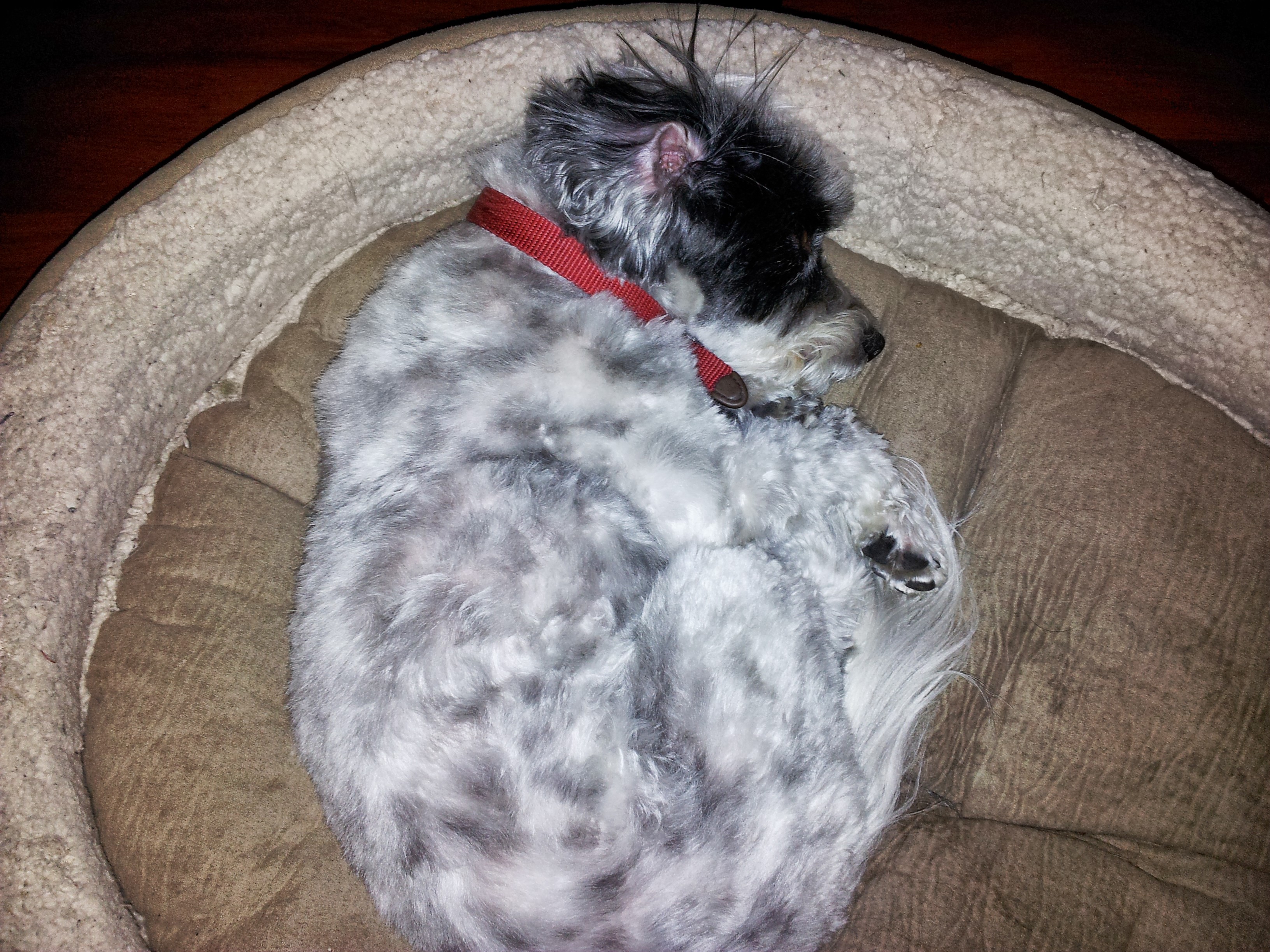
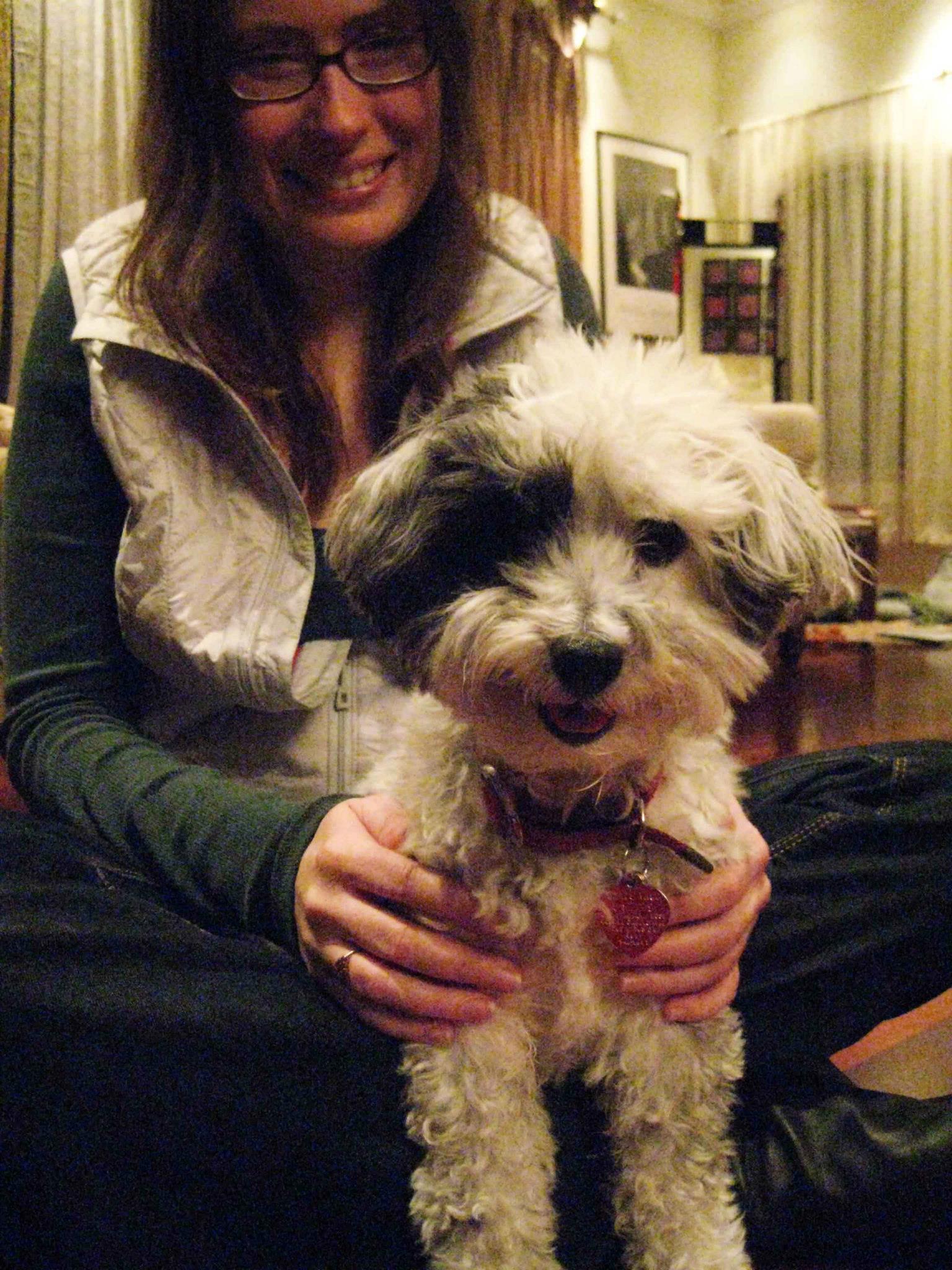
As I write this, Nala is sitting right next to me keeping me company, as she usually does while I write blog posts on my laptop. Actually, in this case, she is sprawled upside down, limbs akimbo, the top of her head smushed up into the side of her bed so I can’t see her eyes, only her white ear and lots of paw.

Sleepy dog.

Sometimes, she curls up in a little ball instead.

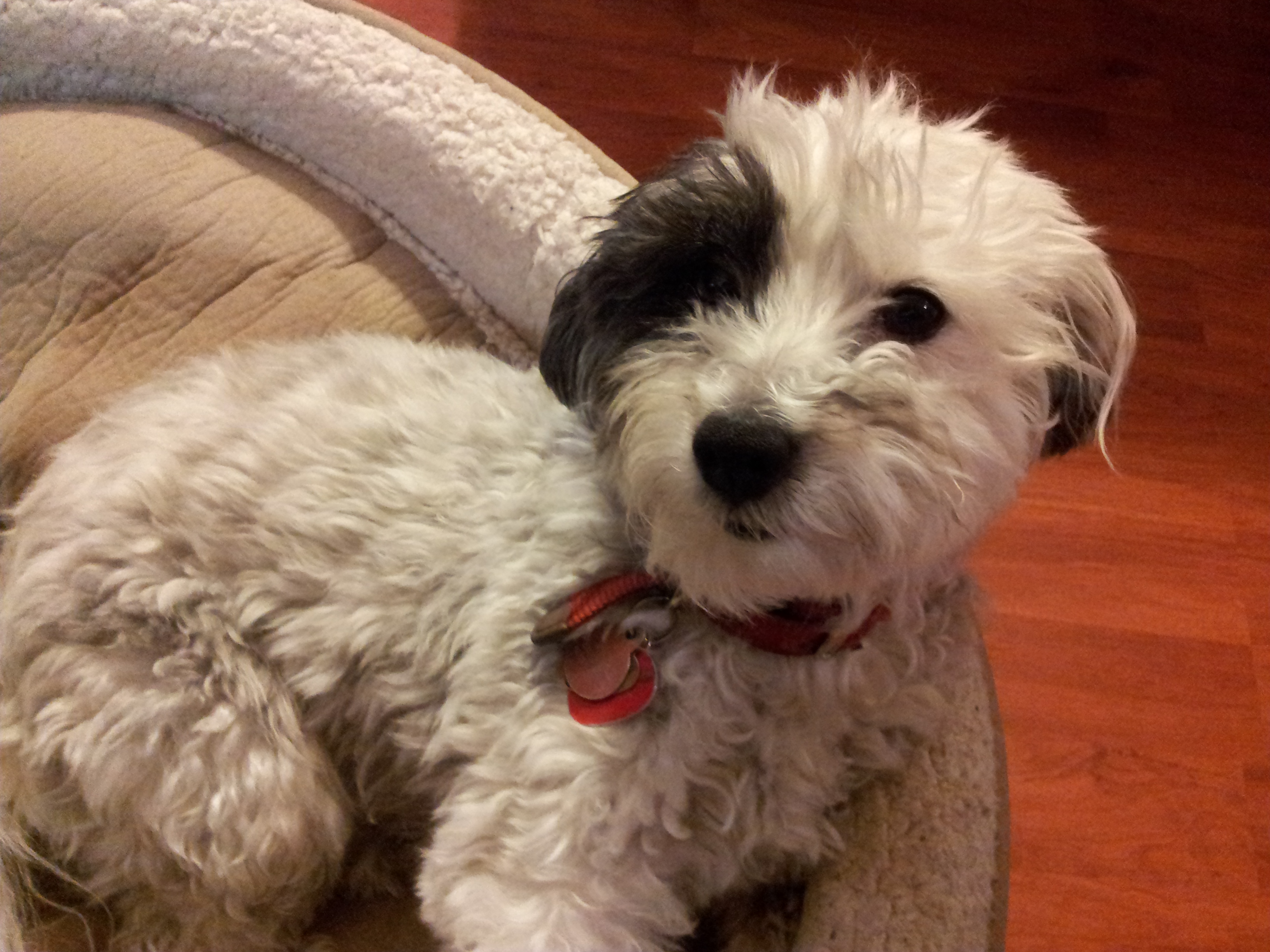
Four years ago this month, I saw a photo of Nala on the Silicon Valley Humane Society’s website. She looked scruffy and scrawny, and I fell instantly in love.

When I met her, she wasn’t interested in me. She didn’t want to snuggle, and she seemed nervous around people. She was much more interested in exploring the shades covering the window. I put her on a 24-hour hold so I could sleep on such a major decision. But I went directly from the shelter to the pet store to get everything a little one-and-a-half-year dog could need.

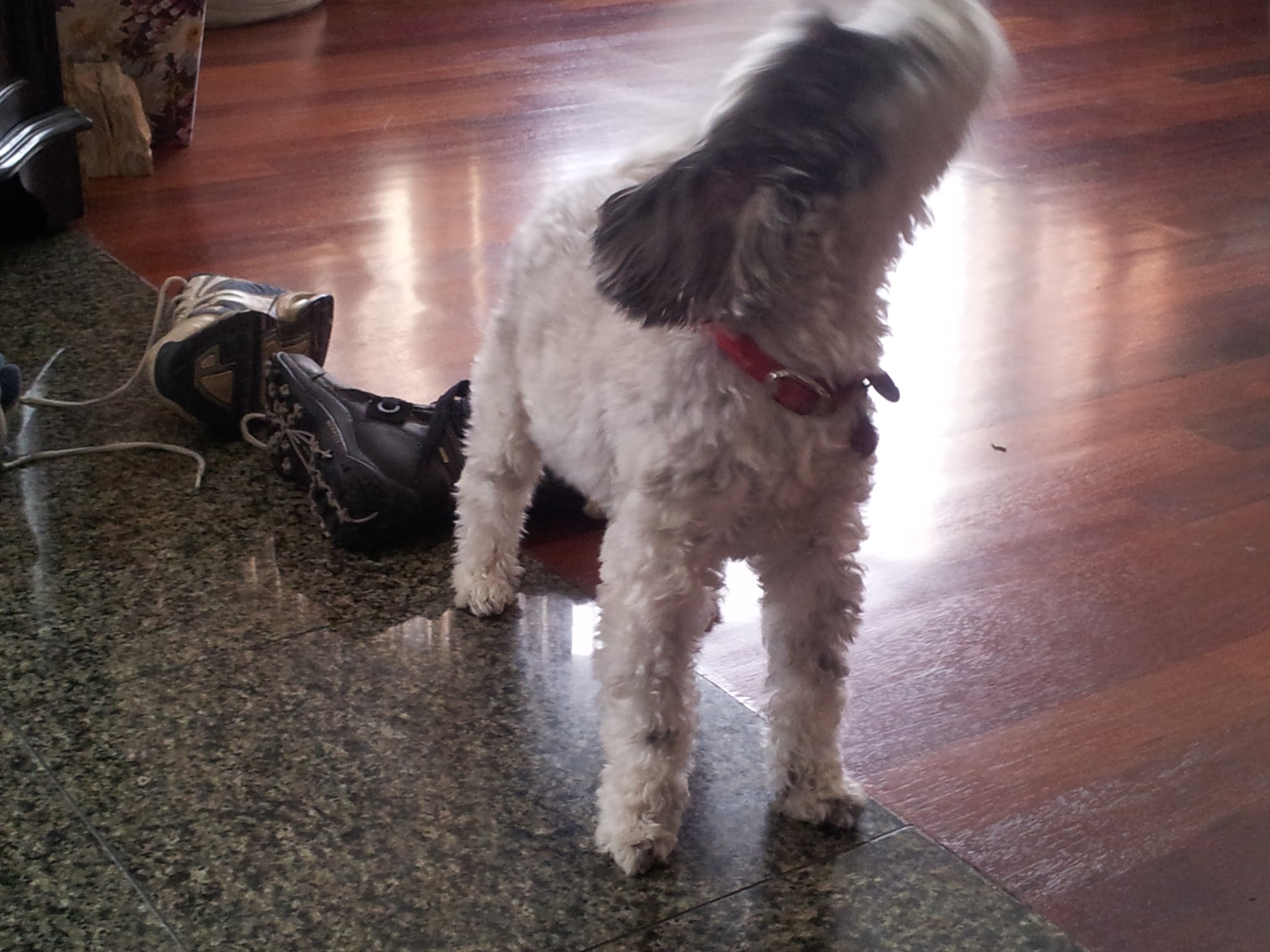
Nala loves to howl when she gets excited.

Nala loves to howl when she gets excited.

When I first got her, I was really excited every time I was on my way home because I knew I’d be seeing her soon. I figured that eventually this feeling would fade. But four years later, it hasn’t changed a bit. Whether I’m coming home from an errand or a long trip, I always look forward to seeing her.

Nala, Wisdom Dog

Things aren’t always easy. Nala has been suffering from increased separation anxiety the last few months, and I worry about her even while I’m trying to help her adjust. And Nala worries about me too sometimes, even while she’s licking my hands and staying close, doing her best to cheer me up. But we get through the hard times together.

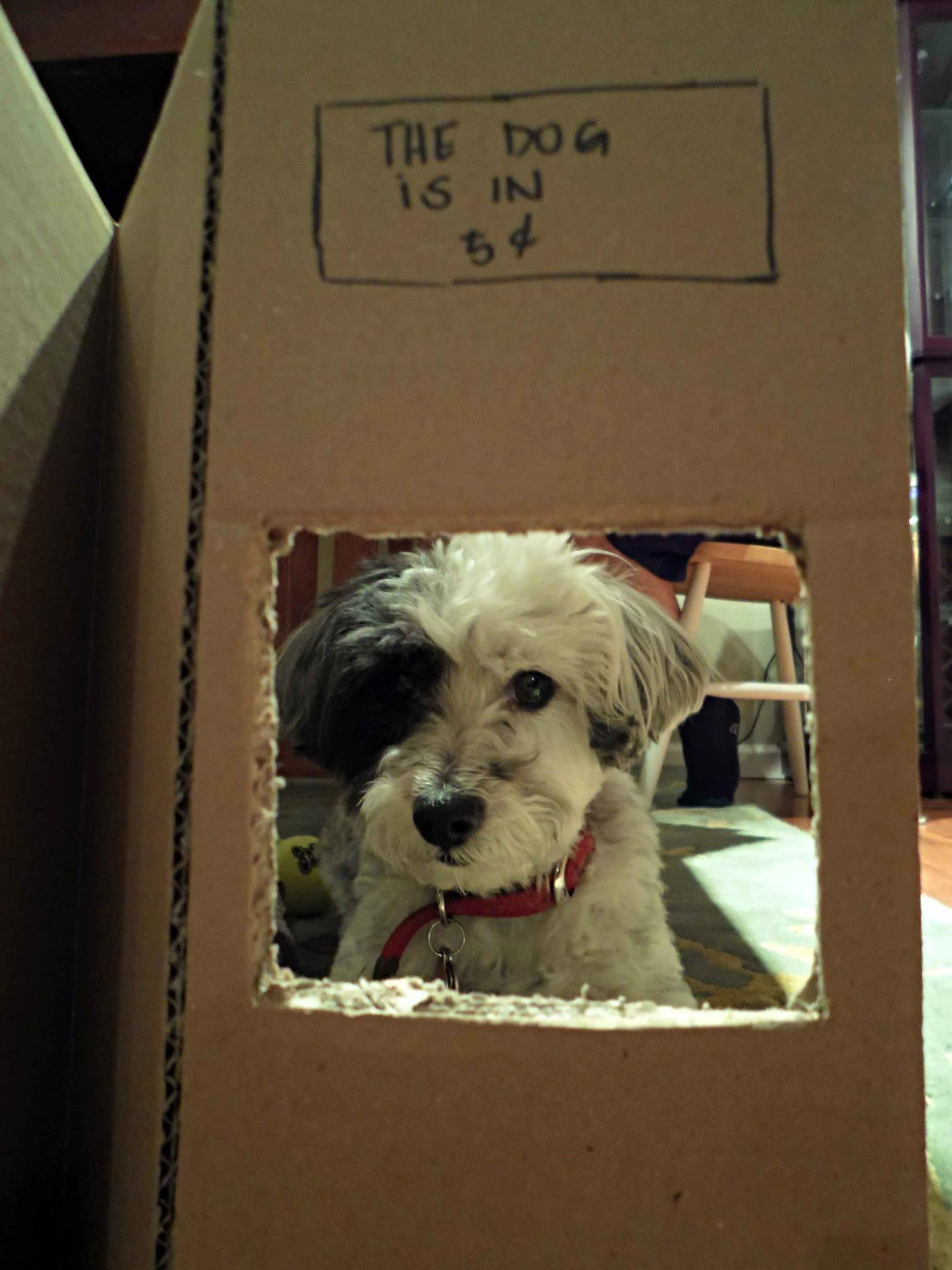
She's also a great listener.

She’s also a great listener. (Photo by Yvette Ono)

Adopting Nala has been one of the best decisions I’ve ever made. She is my constant companion and my best doggie friend. The flow of unconditional love between us is one of the most beautiful parts of my life. She makes every day better with her presence.

I love my little dog.

Best friends!

Best friends! (Photo by Yvette Ono)

I went to my city’s New Age bookstore today because I wanted to buy a calendar. (And I did! It has cool pictures of fractals.) I ended up buying myself a card because the text made me so happy. It says:

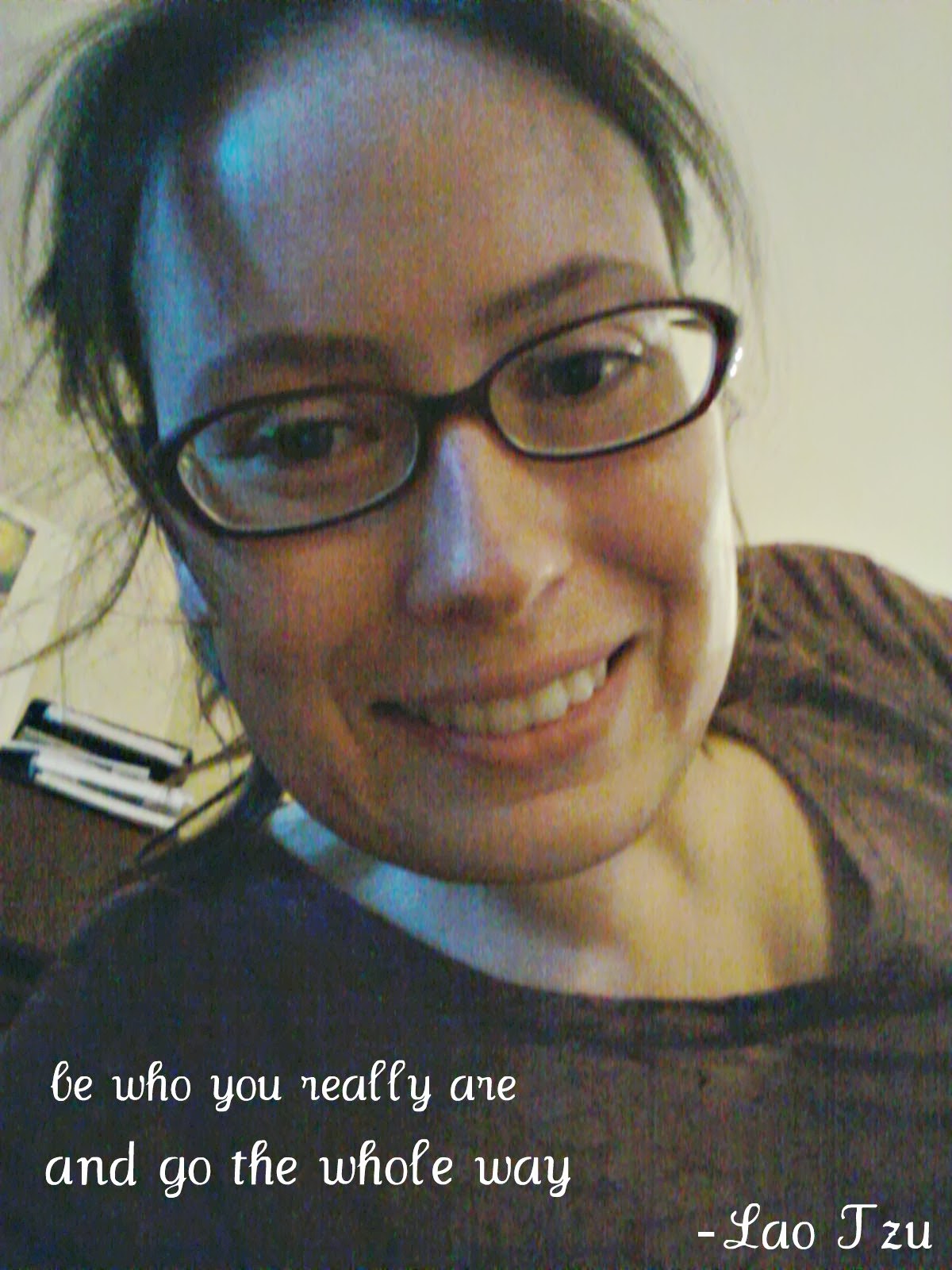
Be who you really are and go the whole way. -Lao Tzu”

I wanted to share a photo of my card, but then I started worrying about copyright issues, so instead I used the new Google+ photo tools (well, new to me, anyway) and made this photo to share.

Amy and Lao Tzu wisdom

I love this saying. It’s so fierce. Telling someone to be who they are isn’t enough. (And it’s also incredibly vague advice, especially if you don’t exactly know who you are.) But telling someone to go the whole way implies that there will be that moment of decision, when you could back down or mute yourself or hold yourself back or pretend to be someone you really just aren’t. And then, THEN, MY FRIEND, that’s when you have to go the whole way. That’s when you have to commit to who you are, who you’ve worked to become, who you want to be, and how this moment will be woven into your own personal narrative of self.

This is the essential truth of how to be a badass.

Going the whole way means stripping yourself of the things that don’t matter. It means being unwilling to apologize for who you are. It means celebrating the awesomeness that is you. It means letting yourself shine, and if you shine so bright some people have to look away, so be it.

Be passionate. Be silly. Be provocative. Be serious. Be warm. Be witty. Be quiet. Be no fun. Be the life of the party. Be honest. Tell lies to strangers about your adventurous past. Love what you love, whether that be writing or fly fishing or crafting or singing or traveling or golfing or playing board games or teaching or making or building or boating or gardening or talking or spinning around in the middle of a big field until you’re so dizzy you can’t stay standing.

Relish the freedom of being you. Try to avoid relinquishing that freedom, and if you lose it by accident, channel your inner fierceness to gain it back again.

Think about what going all the way might look like. Try it on for size.

Revel in it.


My post about my friend who throws away books generated a fair bit of controversy a couple of weeks ago. I was really happy to hear from so many people who love books a lot, just as I do. But I was also a bit surprised by how upset some people were, to the point that one person even said that he couldn’t be friends with someone who threw books away.

I guess we all have our hot topic buttons, but I can’t imagine throwing Rahul under the bus because he has a different perception than me (and one he has thought about, to boot). Most of my friendships can survive more than one difference of opinion, particularly one that doesn’t affect me directly (regular and overt sexist behavior, for example, would be another kettle of fish).

Anyway, I’m talking about this because I’m going to share a profound Rahul Kanakia quotation from Facebook: “The only major decision that life offers is: Should I look for something better, even though it means endangering what I have?

Photo Credit: timtom.ch via Compfight cc

(I mean, seriously, how could I not be friends with someone who randomly posts status messages like that on Facebook?)

I’ve been trying to think of a major decision that doesn’t involve the choice of perhaps losing or changing what you already have, and I’m drawing a blank. Change involves endangering the status quo. Sometimes when we’re involved with change, we’re pretty sure we’re going to end up better off because of it; other times, we’re simply guessing. We don’t know, and that’s where some of the pain of change comes in: letting go of something to make room for something else that might not be any better (or, even worse, might be not as good).

Also, if looking for something better doesn’t endanger what you already have in any way, then it’s not a very hard decision.

I suppose there is sometimes a follow-up decision, which is this: you’ve already decided on the change, but you have to choose between several options. In this case, instead of endangering what you already have, you’re trying to make the optimal decision for yourself. We see this when high school seniors are deciding what college to attend, in multiple job offer situations, when going house shopping. The more options there are, the more decision paralysis sets in. But you’ve already made the initial decision to look for something different (by getting more education, purchasing a house, searching for a job, etc.).

Should I look for something better and accept the risk? It’s a question worth asking. Often the answer is no. The risk isn’t worth it. The hypothetical better isn’t worth it. But sometimes the answer is yes.

Good fiction asks this question a lot. Sure, sometimes the main character is railroaded by events, but the most interesting fiction gives the protagonist some agency. As readers we enjoy when the stakes are high and the protagonist has more to lose, because then this decision becomes really interesting.

Do I act, even though by acting I risk losing what I care about? Do I try, even though I could fail and never get back to where I am now? Do I change, even though the changes will have unforeseen consequences?

These questions, I think, are a deep part of what it is to be human.

I have a friend who occasionally requests blog posts, and her ideas are always so good. It’s actually quite a talent to come up with good topic ideas. I know because sometimes I’m completely stumped, and I ask someone what I should write about, and they can never come up with anything good either. So obviously from now on I should ask Danielle.

This time she asked me to write about intention. (See what I mean? That is exactly the kind of thing I write about.)

Intention can be one of the most powerful tools at our disposal. It’s good for change, for achievement, for opening ourselves up to possibility. It’s a way of resetting old beliefs, world views, and limiting thoughts that might or might not have had a good reason to exist in the past but are definitely holding us back now.

Photo Credit: CarbonNYC via Compfight cc

Of course, in order to work, intention has to be an active process. Take my intention at the beginning of last year: I wanted to have more friends, so I set the intention to be open to new friendships. From that intention, I decided on concrete priorities and actions. If I told myself, “It would be nice to have more friends” and then proceeded to sit on my couch every night and not talk to anybody, then nothing would have happened. Instead, I accepted invitations, I invited people to do stuff, I traveled to various events, I texted and wrote emails, I sometimes went out even when I didn’t exactly feel like it, I practiced healthy boundary setting. In short, I put in a lot of effort.

I find that when I set an intention, it helps me better focus on what I need to do next. In the case of socializing, it means I’m paying attention and making or inviting that overture of friendship. Maybe it was there all along, but I’m much more likely to notice it and make that little extra effort required. In the case of writing, it means I keep plugging away, even if that means only doing a little work each day. I remember that I want to live a literary life and it informs the choices I make on a daily basis.

Our intentions join together to form our vision, both of who we want to be and what we want our lives to look like. Vision is an interesting thing because I think we have to believe completely in our vision for ourselves at the same time as we doubt and question it. It’s like reading a novel, being completely immersed in the world of these characters and events while simultaneously knowing that it’s fiction.

I believe completely in my vision for myself. I also think it might not happen. But I do believe it could happen, and perhaps that’s the important distinction–the belief in what’s possible and the willingness to commit ourselves to finding out.

What intention(s) have you set for yourself recently?

I don’t generally do many link round-ups, but I have so many interesting links open in my browser right now, and they deserve to be shared. So if you were feeling short of reading material this week, mourn no longer.

Female Creators in Science Fiction and Fantasy Television

This is such an important essay that it probably deserves an entire dedicated post by me, but I’m sharing it now in case I don’t get around to it.

The Truth of Wolves, Or: The Alpha Problem

The alpha-beta system of wolf behavior is actually incorrect. And yet we still use this system, one that often encourages misogynist behavior, in werewolf-based urban fantasy. Why?

Sexism at Fantasy Book Cafe

While I’m sharing Foz Meadows, I’ll also point you to her response to the post on how there isn’t actually much sexism in literature, during a theme month of focusing on Women in SF&F. Gah.

Why Do Men Keep Putting Me in the Girlfriend-Zone?

Funny and sad.

The Gender Coverup

Hopefully you’ve all seen this one by now. Maureen Johnson, a successful YA writer, talks about how book covers are gendered. It’s really worthwhile to take a look at the covers of popular books with the gender of the author changed.

It’s not about Gender

I like the analogy the author uses to make her point.

Academic Men Explain Things to Me

I find this Tumblr so valuable (and sometimes hilarious), I’ve added it to my reader.

Nerds and Male Privilege

Do yourself a favor and don’t read the comments.

For writers: Brandon Sanderson’s creative writing class is coming online this summer, and it’s FREE. Check out the details here. 

The Lethality of Loneliness

Loneliness affects physical health. No big surprise there, but an interesting read.

Student’s self driving car tech wins Intel science fair

Yay for science!

I was hanging out in the hallway at the Nebula Awards weekend last Friday when I ran into my friend Rahul. He proceeded to completely floor me by mentioning that he throws books away when he finishes them.

“But you don’t literally throw them away, right?” I couldn’t help asking. “I mean, you don’t put them in the garbage, do you?”

“Actually,” he said, “I put them in the dumpster.”

After a few minutes of spluttering, I said, “I’m totally going to blog about this!” So here I am.

As appalled as I am by the idea of actually throwing books away (as opposed to giving them to Goodwill or selling them to the used bookstore), my constant struggle to stay within my allotted shelf space gives the idea a certain shine. Plus, there is no denying it’s easier to walk down to my garage and chuck some books in the dumpster than it is to make a trip to Goodwill. But really Rahul’s strategy highlights a key question:

Are books disposable objects? What value do they retain once we’ve read them? What value do they have if they sit on our shelves for years without ever being read? (My to-read shelves have expanded to encompass an entire tall bookshelf so I’m sure some of them will never be exposed to my eyeballs.)

I approach the ownership of books from a position of scarcity. I remember when I could only afford to buy a couple of (mass market paperback) books per year. This meant that my small personal library acquired an almost sacred feel to it, and I never got rid of any books, even ones that I really didn’t like. Even now, when I do sell books back to my local used bookstore, it’s not an activity without a certain element of pain (which also means I procrastinate about doing it). And I hardly ever remove an e-book from my Kindle and dread the day when I fill it up so I’ll be forced to curate my collection.

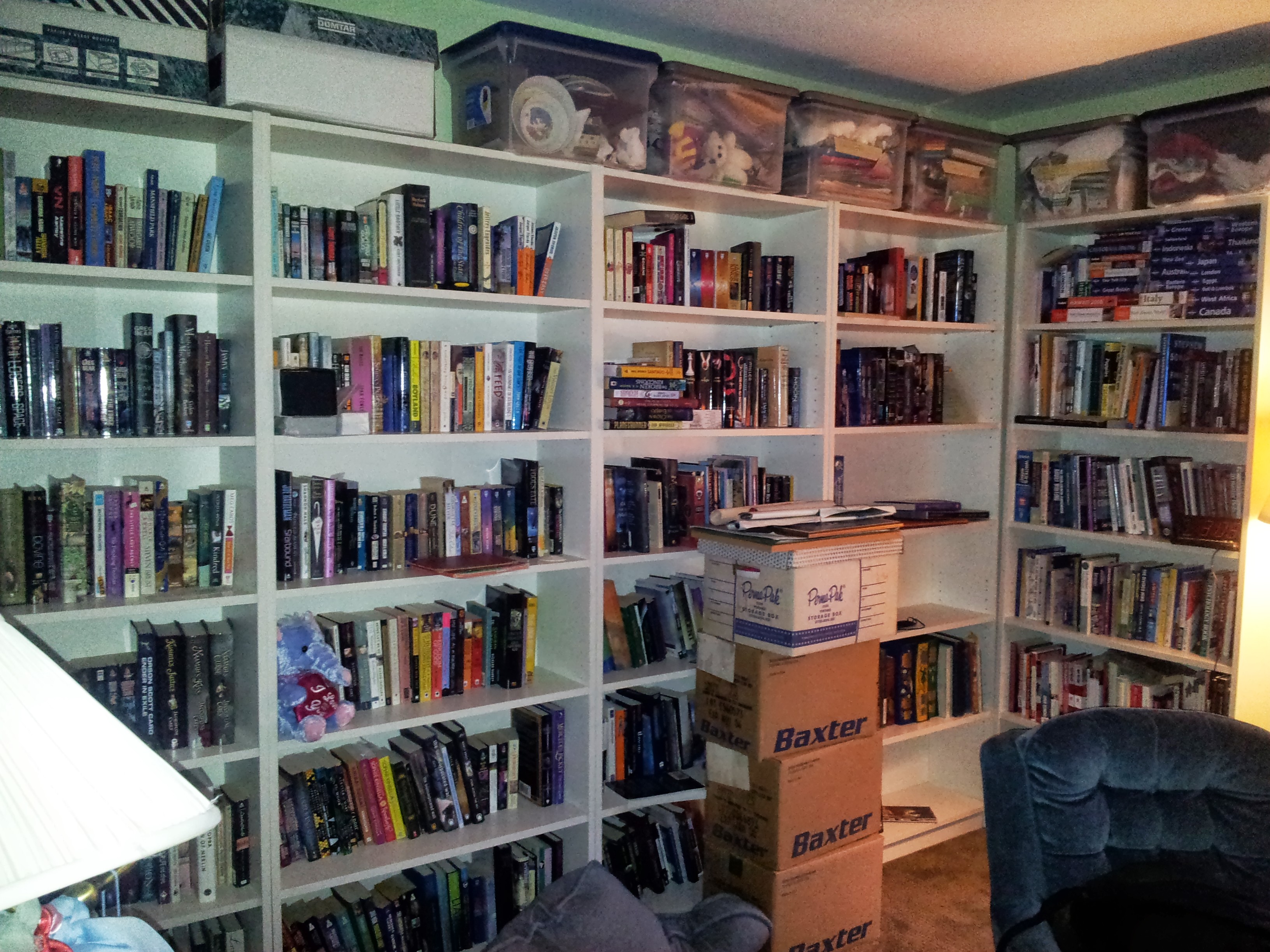
The bulk of my library. Once I take care of those boxes, this will be my dream room realized.

The bulk of my library. Once I take care of those boxes, this will be my dream room realized.

On the other hand, even while I adored my small personal library, I turned to the public library for the bulk of my reading. And heavy library usage does support the idea of books as disposable objects for the individual, if not for society. I kept my library books for two weeks or a month, and then the vast majority of them I never checked out again. Is Rahul’s practice of chucking his read books into the dumpster so much different, given that many libraries use donated books to raise funds through book sales instead of actually cataloguing and storing them? Sure, the library will receive fifty cents or a couple of dollars for that book donation, but not enough money to get anyone really excited.

So maybe books really are disposable objects. But I still can’t imagine throwing mine in the trash can; they have too much of an aura of magic and possibility for that. I’ve imbued these objects with so much meaning that I can’t bear to part with them, just as another person saves ticket stubs or theater programs. Except they’re not quite the same; books represent not only an experience I had in a past, but an experience I can choose to have again, albeit perhaps in an altered form since each reading of a book can expose new layers.

What do you think? Are books disposable? Do you throw books in the trash when you’re through with them? Should you start?

Here is a beautiful thing.

In the midst of stress, there is connection. In the midst of sorrow, there is laughter. In the midst of fatigue, there is anticipation. In the midst of loss, there is appreciation. In the midst of chaos, there is the act of kindness that matters because of its mere existence.

In articles about dealing with stress, the idea of gratitude is repeated over and over again. Whether or not it is an active strategy, I find that gratitude and its cousin appreciation bubble up so easily these days. Perhaps because I need more help I have more to be grateful for. Or perhaps the contrast makes my appreciation keener. Or maybe I’m always this way and I just don’t usually pay as much attention. It is hard to know.

I stood in the grass at Shoreline Amphitheatre this weekend, my vest zipped up against the cool evening air. I watched Passion Pit play their song “Take a Walk,” and I was so happy to be there. I watched a friend of mine win the Andre Norton Award on Saturday night, and in the middle of tearing up, I was so happy to be there. I ate a late evening snack at my favorite local crepe place with a group of friends old and new, and I was so happy to be there.

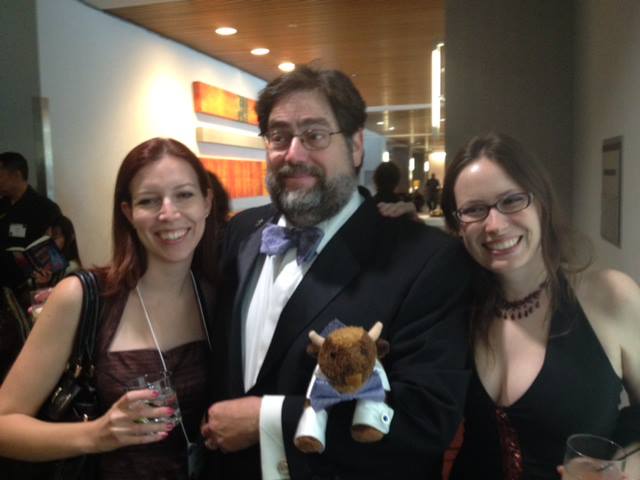
My Taos buddies and I at the Nebulas this weekend. Photo by Valerie Schoen.

My Taos buddies and I at the Nebulas this weekend. Photo by Valerie Schoen.

A friend told me this weekend about a friend of hers who read my blog post about stress last week. Apparently it had a big impact, being the right post at the right time for this friend, who has been going through a lot herself recently, but she was embarrassed to write and tell me. I laughed and said, “I was embarrassed to write that post too.” I am so happy I decided to write something that mattered to someone.

I am so happy that so many of you have reached out to offer support and tell me it’s totally fine to spend some time staring at trees. And I completely agree. Staring at trees can be pretty great. So can eating pie and reading fluffy novels and petting little dogs and wearing a fantastic dress.

I am so happy to be here right now.

I am always looking for reasons to be happy, and I found so many of them this weekend. And perhaps that’s what I feel the most grateful for: my ability to find those reasons, and your willingness to create those reasons with me.

Thank you.