Feeds:
Posts
Comments

Archive for the ‘Life’ Category

I really like the metaphor of the phoenix for transformation.

I remember learning about metamorphosis in grade school, and being excited I could remember how to spell it. (I had a happy gift for spelling.) The caterpillar stuffs its little self as full as can be, and then it spins a warm, comfy cocoon. I imagined it sleeping inside, engaged in curious caterpillar dreams, until one day it would wake up and break free, transformed. It sounded so easy.

That’s why I like the phoenix. The phoenix doesn’t have it easy at all. When it’s time for the phoenix to change, it literally bursts into flames. Being burnt to ash has to be excruciating. And there might very well be some uncertainty involved as well, because what if it doesn’t work this time? What if the phoenix does not become reborn? And even if it does, what if it’s different in some critical and upsetting way? What if it is no longer its self? What if it’s lost something valuable in the process of being reborn?

Photo Credit: Ryan McCurdy via Compfight cc

So often, that’s the reality of transformation. We don’t always know exactly what the end result will be. When I sit down to revise a manuscript, I often have the troubling thought, “What if I end up making it worse instead of better?” When I set out to change myself, I can only guess at the ripples that are going to spread out from that change. And those ripples, once they start moving, are extremely difficult, if not impossible, to control. Who knows where they’ll travel or how fast they’ll spread?

What we can know is the process will hurt. It will be uncomfortable. Bursting into flames, even if it’s only metaphorical, is clearly not the easiest path available to us. Excising large portions of a manuscript that represent hours upon hours of effort can be nausea-inducing even while it’s liberating. Any large change is going to require an adjustment period when nothing feels quite as it should. When you rip off the band aid, you take some skin and hair along with it. When you fling yourself into the world newly altered, you flail and whack one or more of your limbs against obstructions that you hoped to avoid or didn’t even know were there.

But the idea of the phoenix also encompasses hope. The phoenix is reborn. It returns renewed and refreshed, brighter and fiercer. It is a thing of beauty and fascination. Through the pain of the fire, the old is burned away, leaving space for something new and wonderful.

Read Full Post »

“I think it takes a great deal of courage to be one of the people who tries to change the world in some way — I’ve heard too many people say that they’re not trying to change the world, that they’re just trying to entertain (particularly in their writing). But that’s the point of that? If you’re not trying to change the world, what are you doing, and why? I mean, doesn’t the world need changing?”

-Theodora Goss, Magical Women

We are taught to believe that changing the world is difficult, if not impossible. Changing the world, we are led to understand, is something people wish to do in their youths, and at some magical point, we will grow up, realize it’s impossible to create change, and give up our childish idealism.

But we artists, we’re all about changing the world. (And all of us have the capability for being artists inside of us, whether or not we’re creating art professionally.) In fact, art is so much about creating change, about communication, about shedding a different light on a subject, that it seems disingenuous to insist that the only purpose of any given piece of art is entertainment. This is simply not the case the vast majority of the time.

Take the wildly popular Broadway musical The Book of Mormon, for example. It’s by and large a fluffy, crowd-pleasing musical with fairly unexceptional music and a big sense of humor. It pokes fun at the Mormon church with practically every lyric. At first glance it isn’t obviously world-changing. And yet. By the end, the audience is given the impression that while those Mormons are funny folks with lots of hilarious traditions and a bit of hypocrisy thrown in for good measure, they’re basically just like everyone else, good people trying to do good in the world. And I’m sure some audience members have left at the end of the night of theater with a different opinion of the Church of Latter Day Saints than when they walked in.

Photo Credit: an untrained eye via Compfight cc

Now, it might be true that we do not intend change or anything deeper in our work than a romping adventure yarn. We might be unaware of some of the messages we are sending with our stories, our characters, and our imagery. But so many of the choices involved in artistic work either support the status quo or disrupt it. We are changing the way people see the world, even if it’s unconscious on all sides. If we write a series of novels with all active men characters and all passive women characters, then we’re helping to shape our readers’ ideas about gender. If we write and perform songs that glorify hate crimes, then we’re helping our listeners form ideas about what constitutes acceptable behavior.

We are taught that we don’t have power, and sometimes it’s easier to believe that and thus avoid taking responsibility. But the truth is, so many of us have the power to change minds and hearts. And sometimes the most important minds and hearts to change are our own.

Read Full Post »

I am especially busy this week, I’m afraid, so you only get a short post from me today.

Speaking of busy, Cal Newport says in order to be remarkable, you should try not to be busy. Apparently the work flow of many high achieving individuals is best organized if there is flexibility to allow for times of deep thought/work/flow. Inevitably this means that when such deep work isn’t happening, down time will result. I’m thrilled with this theory, of course, as it justifies some of the work-life balance principles I’ve embraced for years now.

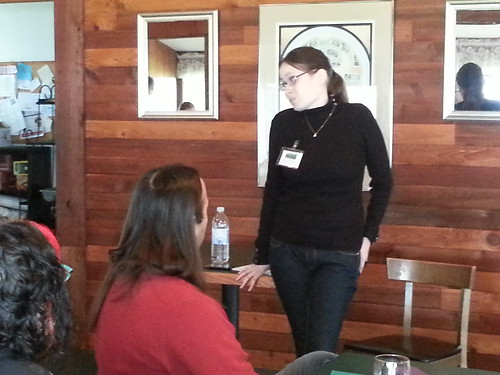
And apparently I haven’t been too busy to have a bit of fun.This first photo shows me giving my first lecture on social media strategy for writers. I gave it at the Rainforest Writers Retreat early in March, and I had a great time and received many interesting questions.

Photo by Patrick Swenson

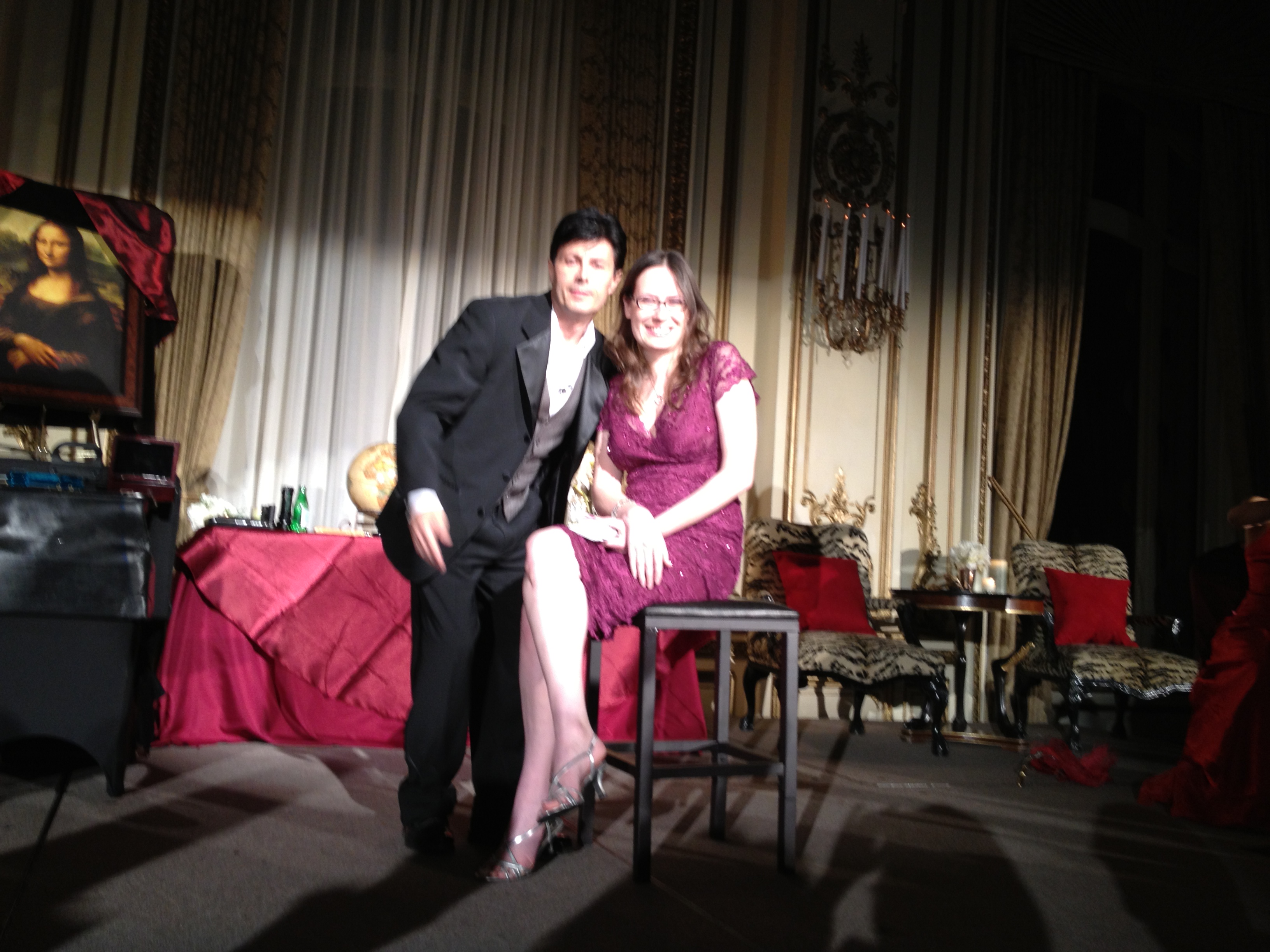
This next photo shows me up onstage during my first magic show. Unfortunately, the show featured some sexist jokes and banter…but was otherwise entertaining. When I went up onstage, though, I did feel beholden to say that I felt all people had intuition, not just women. No need to either belittle intuition or make it into something it’s not. My friend and I also inadvertently messed up the magician’s trick a little bit, but it all worked out, so all’s well that ends well, right?

Fancy!

Fancy!

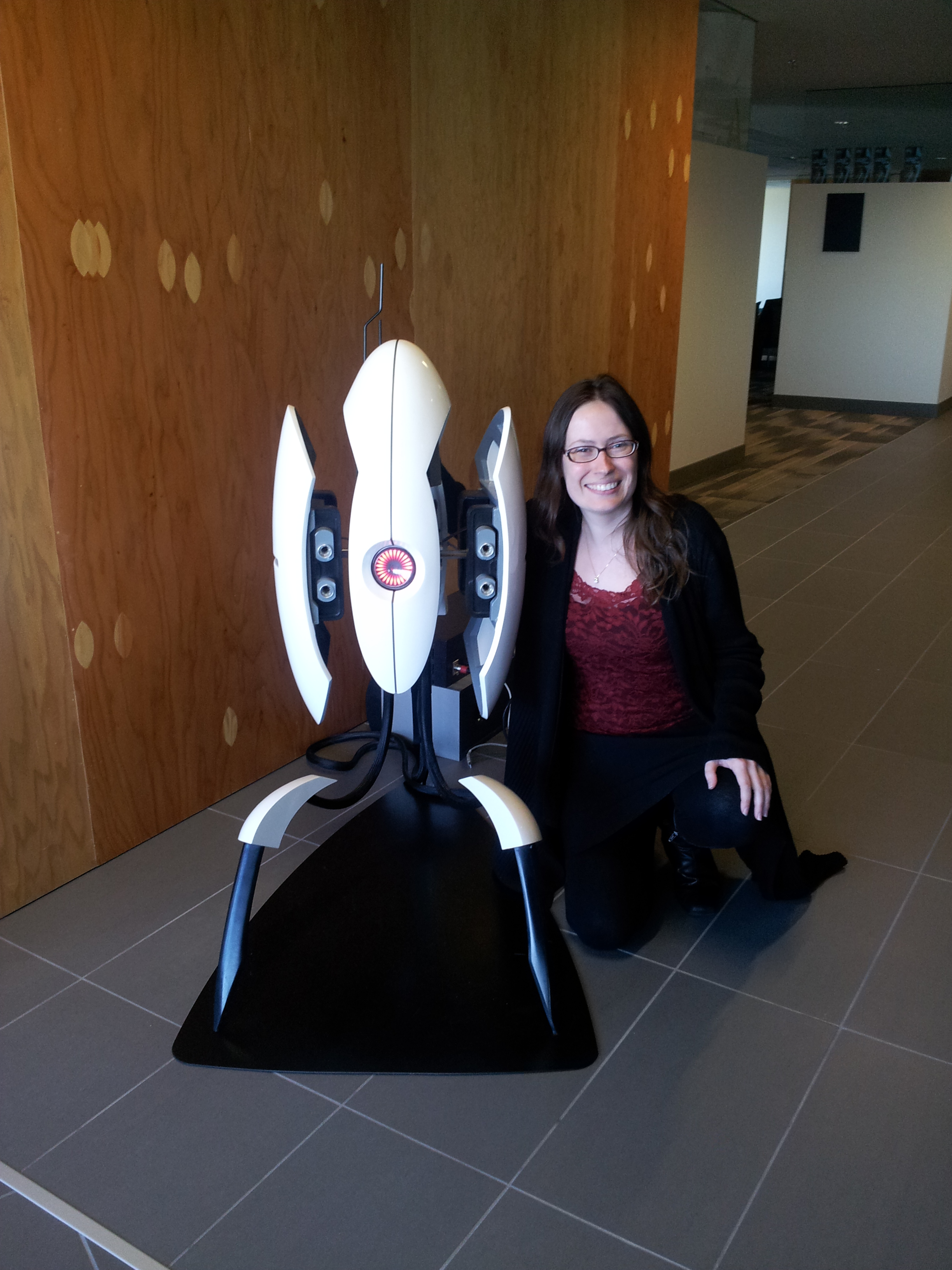
And this photo is from my recent visit to Valve up in Seattle, where my friend was kind enough to give me a tour.

It's adorable!

It’s adorable!

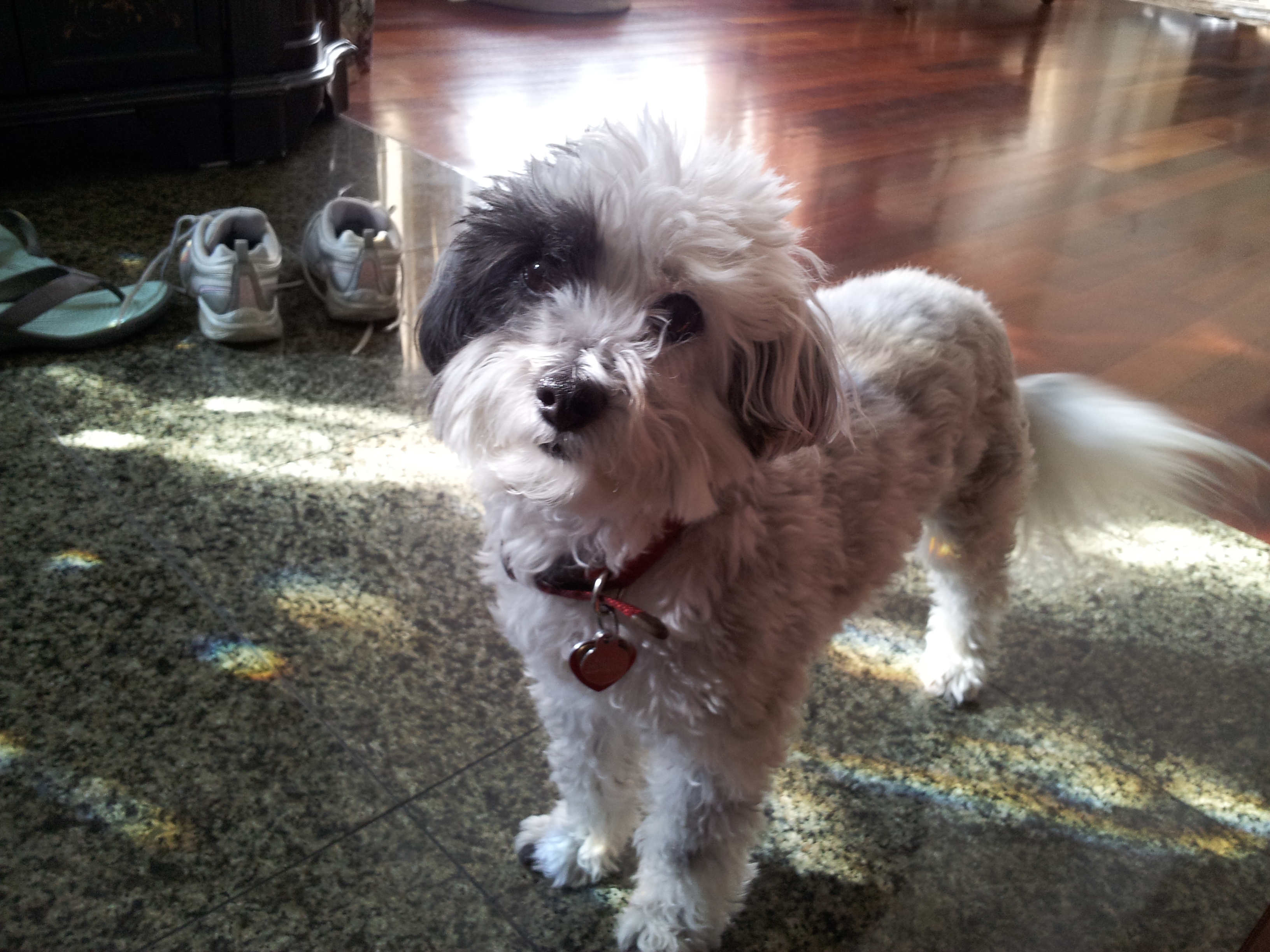
And finally, Nala looks skeptical.

Nala the Hound looking skeptical

Enjoy the rest of your week!

Read Full Post »

I am tired of apologizing.

Expressing empathy and sympathy? I’m all over that. But I’ve spent way too much of my energy apologizing for things that have nothing to do with me.

And you know what? I’m not sorry.

  • I’m not sorry that I may have different priorities than other people .
  • I’m not sorry that I have things I want and things I need.
  • I’m not sorry that I want to be treated with respect and consideration.
  • I’m not sorry for the life choices I’ve made, even if people don’t agree with them or understand them.
  • I’m not sorry that I don’t want to discuss my financial situation with strangers.
  • I’m not sorry that I have a different sleep schedule from the norm.
  • I’m not sorry that the ways in which I spend my time are not obvious.
  • I’m not sorry that I notice and sometimes point out sexism and misogyny in media.
  • I’m not sorry for my own opinion and assessment of myself.
  • I’m not sorry when I choose to say no.
  • I’m not sorry that I can’t be perfect.
  • I’m not sorry when I refuse to take on other people’s issues willy nilly.
  • I’m not sorry for the existence of my emotions.
  • I’m not sorry for standing up for myself.
  • I’m not sorry for communicating.
  • I’m not sorry for being complicated.
  • I’m not sorry that we don’t have every single thing about ourselves in common.
  • I’m not sorry when people won’t take care of themselves. I feel sad about it, because I know how bad that feels, but I am not responsible for the choices they make and the pain they put themselves through.

This is what it looks like to not be a people pleaser. You start apologizing a lot less frequently. Instead you communicate, and you compromise, and you take responsibility for yourself and your actions, and you surround yourself with people who are willing and able to take responsibility for themselves and their actions, and when you screw up on occasion, you apologize and make amends, and everything works out a whole lot better.

Stop apologizing for yourself. Start living instead.

Read Full Post »

Here’s a new word I learned recently. I found it on Jonathan Carroll’s Facebook page, and he found it on this neat Tumblr. As is often the case for me, I’m not completely sure how to pronounce it. But I love it all the same.

Metanoia – the journey of changing one’s mind, heart, self, or way of life

At a party this weekend, someone asked me what I’d been thinking about lately. I was momentarily flummoxed because I’ve been so busy and preoccupied, I don’t feel like I’ve been thinking as much as I normally do. But now, a few days later, I realize the best answer would have been, “I’ve been thinking about metanoia.” Because really, I’ve spent a lot of time thinking about self change over the past few years.

At its heart, metanoia involves crystallizing priorities and learning to know yourself as well as possible. It’s hard to change something when you don’t understand what’s there to begin with. Strangely, it sometimes feels more like remembering than anything else. Remembering who you are, and remembering who you’ve always been. That knowledge becomes the starting point for whatever change you wish to create.

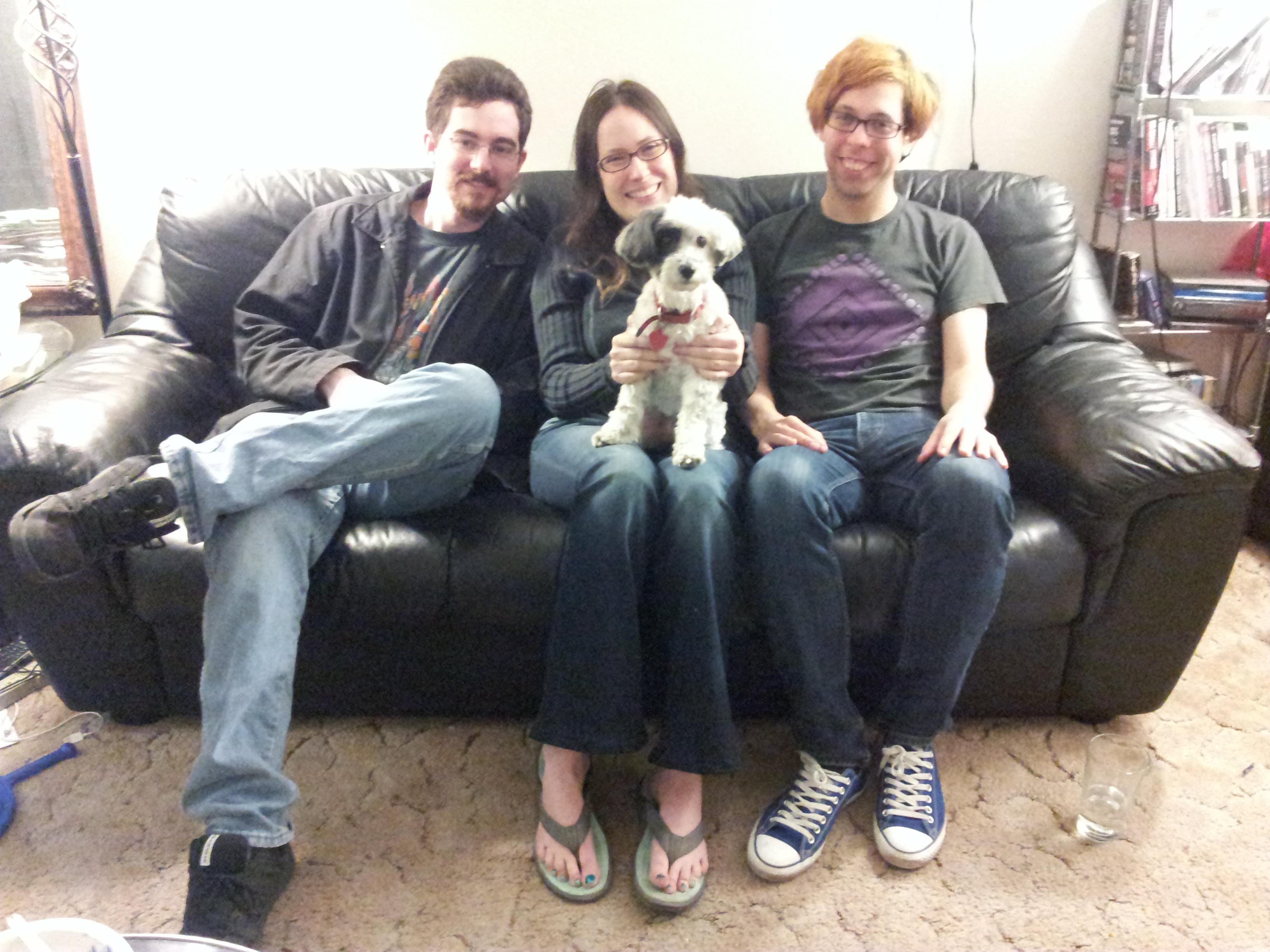
Surrounded by three of my dearest friends, I am very much myself.

Surrounded by three of my dearest friends, I am very much myself.

“Remember who you are.” That was my advice to a friend of mine this weekend, the only words I had to offer. It’s so important, isn’t it? Because without that, we can become so very lost or muddled or distracted. And we worry about what happened before and what is going to happen later and we compare ourselves to other people and measure ourselves against other people’s visions of who we are, instead of remembering that other people have nothing to do with our essential knowledge of ourselves. Good people can help support us while we take the journey, but it’s a discovery we must make on our own.

So metanoia is essentially taking yourself by the hand and saying, “Hello, you. Let’s take a walk down by the stream and lay down on the mossy bank and talk for hours and hours. And I will do my very best to listen carefully to what you have to say. I will listen to the good parts, the parts that make your heart soar and your body sing and your mind dance. And I will listen to the dark parts, the parts that are difficult and scary and secret and that you maybe wish weren’t true. And I will love you for all those parts, even the parts that I want to change, and then together we can decide where we want to go next.”

Remember who you are, my friends. Treat that knowledge like the precious thing it is.

Read Full Post »

Sometimes we fool ourselves into thinking we can have it all, but we can’t.

That’s really what priorities are all about. If we could have it all, we wouldn’t have to set priorities because we could do all the things. We’d have infinite resources: enough money to pay for life’s necessities and that trip to Bali and five new outfits and front row seats on Broadway. Enough time for a demanding career and friends and a relationship and a second job and kids and pets and vacations and hobbies and volunteering. Enough energy and brain space to keep track of it all.

The media tells us stories about how we can have it all. But the media lies. Penelope Trunk has written a few essays recently about high-powered career women–using Marissa Meyer and Sheryl Sandberg as her examples–and how they don’t ever see their kids. Because in order to be that high-powered, it’s necessary to work something like 100-hour weeks. That’s more than fourteen hours every day of the week. So really, there’s very little time for anything else. My first instinct is to think, wow, those two women are among the most important in the Silicon Valley, and they have kids too, so they really do have it all. But they don’t. They’ve set priorities that have led them to where they are, and priorities always involve a trade-off.

  How many hours a day do you think she practices?                                                                                     Photo Credit: Melissa Maples via Compfight cc

It’s so much sexier to talk about priorities in terms of what you can accomplish with them, as opposed to what you have to give up. But the accomplishment and sacrifice come together. Do you remember that movie from the ‘80s, The Competition? It followed a group of professional pianists through a concerto competition, and it shows this idea so clearly. All of these pianists are so talented and accomplished, and in order to be excelling at such a high level, their lives consist almost entirely of practice and music and more practice and their coaches and travel and practice. One of the main plotlines is about how the two protagonists are reluctant to have a romantic affair together because it will take away from the necessary focus and drive to win the competition.

Priorities are set based on how much we want something, but they are also set based on what we’re willing to do without. You’re willing to not have much of a normal social life? Then you can be a concert pianist. You’re willing to not see your kids very often? Then you can be a high-powered CEO. Most of us don’t have choices that are quite as extreme, but the core principle remains the same.

We often forget the trade-offs other people are making. People used to think I was really lucky to be working only part-time at my music teaching business. And I felt very lucky. I was doing work I loved and felt made a difference, and I had time to spare for my personal creative projects. But I was also constantly worried about money and the sustainability of my business model as the price of living kept increasing. I didn’t have a company behind me that provided paid sick days and cheap health insurance and retirement matching. The worry and the skimping were worth it to me in order to have a life focused on artistic pursuits, but I was very aware of the choice I was making. And everyone has made similar compromises somewhere along the line.

We can’t have it all. Nobody can, and that’s okay, as long as we don’t buy into the myth. What’s fabulous is that we get to decide what is most important to us and make our life choices accordingly. We don’t need to have it all in order to lead happy and fulfilled lives. We just need to understand where our priorities lie.

Read Full Post »

You know how people say that as you get older, you stop changing? They see the teens and early twenties as this turbulent time as you explore and establish who you are, and then your identity is set, and you are who you are.

This idea of selfhood has always disturbed me. I have never wanted to become set. I enjoy playing with identity, whether it is through writing characters, wearing clothes and costumes, playing RPGs, or acting on the stage. I like thinking about why I do what I do, and why people in general do what they do, and what influence society and families and past experience has on our emotions and decisions and worldviews.

But recently (and by recently, I mean ten minutes ago), I realized my own relationship with identity is more complex than that. Because I do believe there is an unchanging core of myself, of Amyness, that has existed as far back as I have memory. Just as I can look at old photographs of myself and see my current face in the chubby cheeks of two-year-old Amy, in the gawkiness of nine-year-old Amy, behind the huge glasses of teenaged Amy, so I can feel an ongoing sense of self that has persisted throughout my lifetime.

Yes, the title of this post might be a thinly veiled excuse for a cute dog photo.

Yes, the title of this post might be a thinly veiled excuse for a cute dog photo.

My friend Rahul wrote in one of his excellent essays: “I wonder if individuality is something that deepens in you when you start to live purposefully.” To come at the same idea from a slightly different direction, I think that through life, we can grow in ways that bring out and express our own individuality with greater strength and clarity. And these changes that we can make that allow ourselves to shine out ever brighter, these changes are what I am personally committed to and what I hope will never stop, no matter how old I become.

I have spent the last few years completely dedicated to change. Some of that evolution has been documented here on the blog, most explicitly through my backbone project. What I realize, though, is that I haven’t been changing the core of who I am. That sense of self is my foundation, the part that by never changing allows me to have the strength to challenge myself and my assumptions and make so many other changes. What I have been changing are my attitudes, my behaviors, my reactions, my understanding, and my choices. I have the freedom to change so much because ultimately, I am already so grounded in who Amy is that my core identity can survive through any changes I care to make.

And through all this change, I see the juxtaposition that so many of us struggle with. On the one hand, we want to be the same. We want understanding and empathy and sympathy, we want people to like the same things we like, we want to have that sense of connection that can come from sharing. But simultaneously, we want to be different. We want to rebel, we want to express our individuality, we want to be SPECIAL. And there is a push and pull created between these two opposing desires.

Only they’re not opposing at all. We can be both ordinary and special. We are all the same in some really basic ways. But each of us also has that core of identity that makes us who we are, whether we are consciously aware of it or not, and each core varies ever so slightly from every other core. And each of us has our own slightly different point of view as we travel through life. And this different selfhood and different perspective makes us special even as we are awash in sameness. In a similar way, we can be changing like mad even as we’re always ourselves.

Isn’t it neat the way that works out?

Read Full Post »

“The irony of commitment is that it’s deeply liberating – in work, in play, in love. The act frees you from the tyranny of your internal critic, from the fear that likes to dress itself up and parade around as rational hesitation. To commit is to remove your head as the barrier to your life.” – Anne Morriss

My friend posted this quotation on Facebook the other day, and I’ve been thinking ever since about the relationship between commitment, fear, and change.

Commitment is, in a way, about leaning into the fear. Because once we become wholly committed to something, then we have something to lose in a way we didn’t before, and that can be really freaking scary. And commitment is about change, because even if it doesn’t cause any outward differences, it transforms what’s going on inside our minds and hearts. It alters our personal stories.

To commit fully is to feel naked and exposed. It is to drop any facade of insouciance or nonchalance. It is almost a confession, that this, this is something I’ve chosen to pour my heart, my energy, my time, and my passion into.

Commitment doesn’t come with any guarantees of success. If it did, it wouldn’t be nearly so interesting, so raw, so immersive in that which is vulnerable. But it does, as Anne Morriss says, remove our heads as barriers. It allows us to throw ourselves completely into our lives. It allows us to choose the kind of lives about which we can later sit down and write memoirs.

Photo Credit: thomas_sly via Compfight cc

When I think about my life, I realize that I couldn’t have followed through on the really hard things I’ve done without deep commitment. I couldn’t have gotten my college degree or had a senior recital. I couldn’t have moved to London. I couldn’t have started my own business. I couldn’t have become a writer. I couldn’t have engaged on a personal and emotional level with the people who are important to me. And I couldn’t have changed who I am and how I relate to the world.

All of those things involved risk and the chance of failure. All of them allowed the possibility of someone saying no, of things going wrong, of heartache and disappointment and mistakes, of me wimping out. All of them scared me.

When I arrived in London with my two gigantic suitcases, just out of college and with a freshly broken heart, a friend met me at the airport and helped me get to the place I was staying. And then he left, and I sat there, and I thought, “Oh my god, what have I done?” And then I cried. But the next morning I got out of bed and I left my flat and I explored London. Because I was committed to being there and having the richest experience I could, even though I was lonely and scared and didn’t know what I was doing.

There are so many times when I feel like I don’t know what I’m doing. Commitment helps me lean into the fear and discomfort of that feeling, and do it anyway. If we want to put ourselves out there in the world, if we want to try to do amazing things, I think that kind of commitment is necessary. The commitment gives us the permission we need to really go for it.

Commit and be free. I like that. It’s the kind of complex idea that requires a lot of thought to see the layers of truth it contains.

Read Full Post »

I have something of a clothing habit.

I was thinking about why this might be the case the other day, because if I could get rid of my clothing habit, it would be better for my space constraints, not to mention my budget. I know I can get quite nostalgic about my clothing, but that’s not all it is because I gave away whole heaping bags of nostalgic clothing a few months ago, and yet my clothing habit still exists.

But I realized that for me, what’s exciting about clothing is its representation of possibilities of identity. There’s a reason there’s a stereotype of teens being obsessed with clothing (and really, appearance in general) right at the same time that they’re exploring and experimenting with who they are. And I have all those possibilities of who I could be hanging in my bedroom to be pulled out at any time.

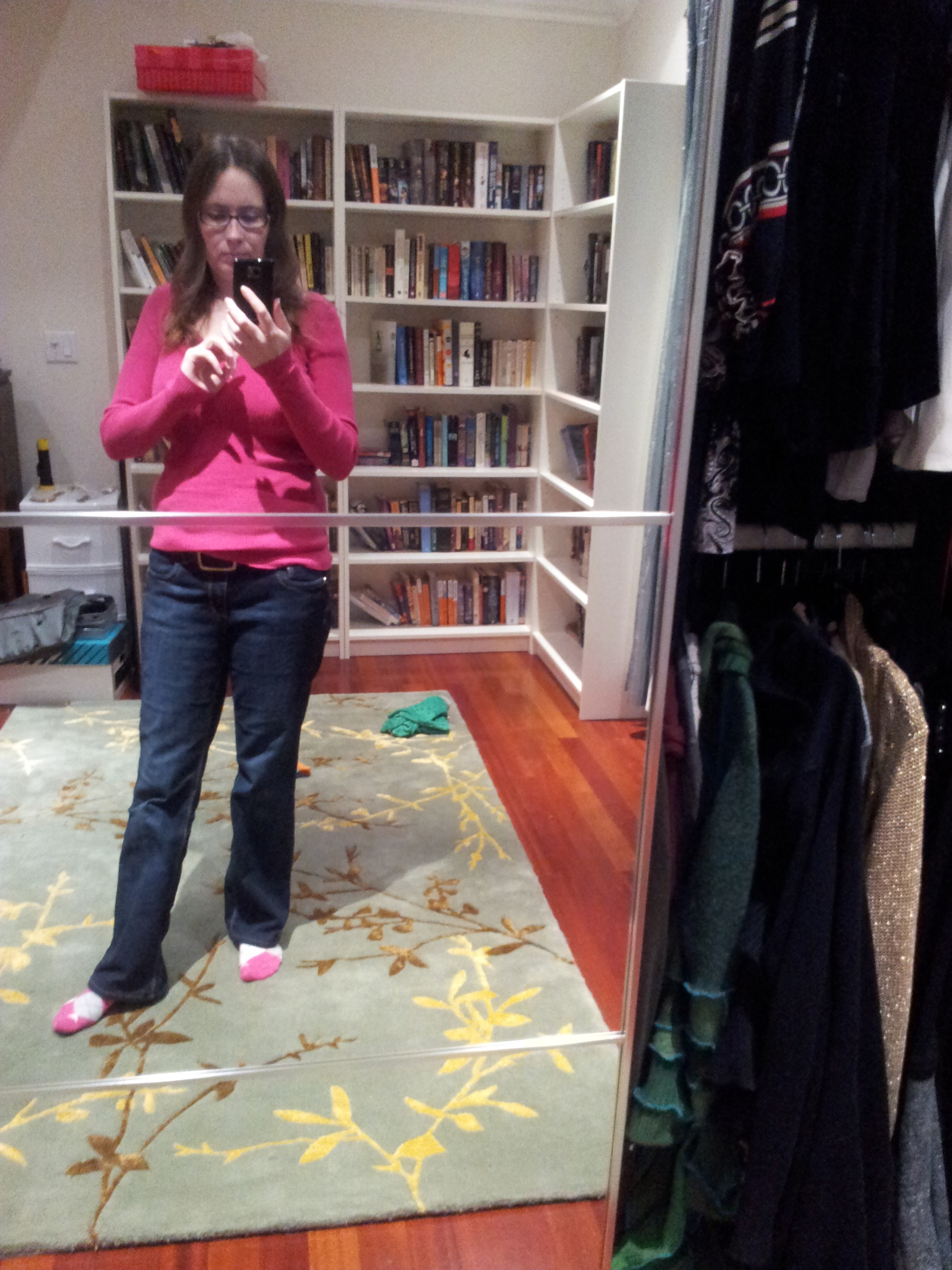
This is me needing to get a lot done at home.

This is me needing to get a lot done at home.

Of course, appearance and other markers such as vocabulary and accent are used by people to categorize each other. And as much as we might not like that this is true, it is true. How we present ourselves to the world matters. People will treat us differently based on the assumptions they’ve made about us, and some of those assumptions are based on what we’re wearing and how we’re carrying ourselves.

But what’s really interesting to me is how we can use things like clothing and hair style and posture to change ourselves from the outside in. If I’m wearing a cute skirt and blouse and boots, I feel very different from when I’m wearing a fitted T-shirt and jeans, which feels very different from if I’m wearing extremely baggy clothing. So my closet becomes about having access to the choice as to how I want to feel today. Do I want serious practical “I’m taking on the world today and getting stuff done” clothes? Or do I want active sporty “I might actually exercise today” clothes? Do I want “I am elegant and refined and fascinating” clothes? Or “I am sick and just want to hide out at home all day” clothes? If I’m wearing a Disney T-shirt, that says something very different from if I’m wearing a black shift.

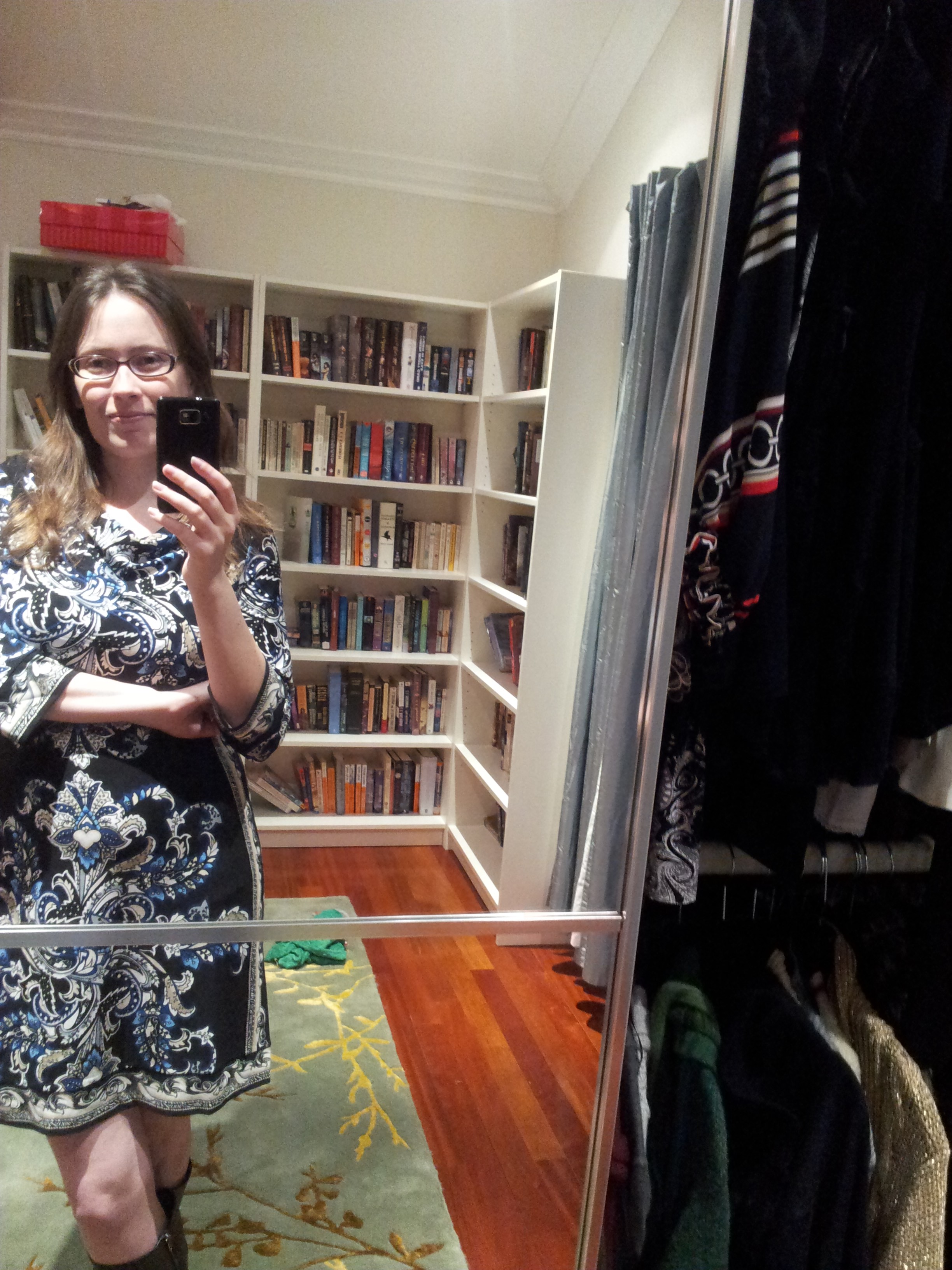
Whereas this is me wanting to go out to eat tapas and have conversation about what it is to be an artist.

Whereas this is me wanting to go out to eat tapas and have conversation about what it is to be an artist.

It’s not just clothes either. A few years ago, thinking it would improve my writing, I read The Definitive Book of Body Language, by Barbara and Allan Pease. After reading the discussion on posture, I decided to experiment on myself. I tend to cross my arms in front of me (or do a half-cross like in the above photo), which isn’t a very open posture. So whenever I thought of it at parties or conventions, I would deliberately put my hands behind my back in a more confident posture. Once I got past the initial awkwardness, I began to feel more confident as a result of standing differently. And now I stand that way more often without thinking about it. Pretty neat, huh?

Unfortunately, this train of thought did not lead to me ditching my clothing habit. But it reminded me that sometimes playing with our identities, even if it’s only in small and outward ways, can help us both learn more about ourselves and change ourselves. It’s a way to honor the fact that our identities are often complex and multi-faceted. And it is a way to remind ourselves of how much of life is really making believe and playing pretend, just as it was when we were children.

Read Full Post »

Snapshots

Memory is a series of snapshots. We craft our identity from these frozen moments in time that we think we can remember.

Snap.

I sit above my bedroom on the lip of the closet. I climbed up my bookcase to get here, and I know I might get in trouble for doing it. I can’t stop staring down at the familiar made strange. School is going to be starting again soon–sixth grade? seventh?–and seeing things differently makes it seem more like an adventure.

Snap.

I’m sprawled in the blue chair, my bare feet pressed against the cold window. I never worry that the glass might break. I rotate the chair back and forth without thinking. I am living far away in my book right now. The only things that are real are the story and the smoothness of the glass.

Snap.

I sit on the floor, tears on my cheeks. I throw a shoe against the door; it makes a satisfying thump but leaves a black mark. I don’t want the reminder of this moment. I am twenty years old and I miss my mom and the room reeks of betrayal.

Snap.

I’m in a large room filled with two rows of beds, I don’t know how many, maybe twenty? Each bed is occupied by a stranger. I don’t want to be here, and I pretend I’m far, far away, in a bedroom that no longer exists. It’s easier to pretend in the dark. Tomorrow I will leave Amsterdam and head south to Belgium.

The park in Amsterdam. I neglected to take a photo of my dubious hostel.

The park in Amsterdam. I neglected to take a photo of my dubious hostel.

Snap.

I yell words that are too true, but later on I convince myself I made them up. Only I didn’t, and that mostly hidden knowledge eats a little hole in the base of my sternum.

Snap.

I can’t sleep because I am so excited about tomorrow. How many times have I lain in exactly this position, happiness coursing through my body with each heartbeat? I buzz with anticipation. There is no place I’d rather be.

Snap.

Read Full Post »

« Newer Posts - Older Posts »