Feeds:
Posts
Comments

Posts Tagged ‘book love’

I’ve been reading Bill Bryson’s most recent book, At Home, which I wanted for months and then received for Christmas (and even then, it took me another couple of months to get to it, which goes to show how out-of-control my to-read stack has gotten). Its subtitle is “A Short History of Private Life,” and its chapters are named by rooms of the house. Bill Bryson’s 19th century former rectory house, to be precise.

This is what my book looks like.

I thought the book was going to be full of anecdotes about each of the rooms: what activities were typically performed there, how those varied over time, how each would be furnished, etc. And there certainly is plenty of this information in there, but that’s only a beginning. With his typical charm, Bill Bryson supplies bucketfuls of mostly random (but still fascinating) facts that are often only tied to the room in question by the loosest of associations:

  • the building of the Crystal Palace for the Great Exhibition of 1851
  • the usefulness of bats as a species and how many are now in danger of extinction because of rabies myths
  • the building of the Eiffel Tower and how it is constructed of iron, not steel
  • how ice became a commodity
  • how very dark it used to be at night, and various techniques of lighting

Although I like this cover art better!

My main take-away from the book is that it really sucked to live in the West after the Roman Empire and before the twentieth century. It was dark and painful and exhausting and dirty, full of back-breaking daily labor for almost everyone. People would get sick all the time, sometimes even from the chemicals they used in the wallpaper and paint on their walls, and there was no anesthetic. Rats and mice would scurry over your bed, especially if you were a child sleeping in a trundle bed. And if you didn’t want your loved one’s body stolen by grave robbers, you had to keep it in your house until it went bad and began producing maggots. Yuck.

As a woman, it sucked even more. You either had to perform repetitive back-breaking labor (like laundry, which also involved chemicals that made people sick) or, if you were lucky, you had to sit around and be bored out of your mind while preserving your delicate sensibilities. Thank goodness music and art were considered appropriate activities for woman, but heaven forbid you read a novel. You were considered property and in England, at least, it could be quite difficult to get a divorce. Beating was commonplace and no grounds for leaving; it merely showed you lacked sufficient patience. Doctors would often dismiss your medical complaints because you were a woman. And you’d probably end up dying in childbirth anyway.

I am even more grateful than usual to be living now, in an age of antibiotics, safer childbirth, labor-saving devices, electricity, and more opportunities for women. If I could choose any time period to live in, which would I pick? I’d pick NOW, thank you very much. I like having teeth and the right to vote.

In any case, it’s a great book and I recommend it. And now I have to ask: if you could choose any time period to live in, which would you pick?
Read Full Post »

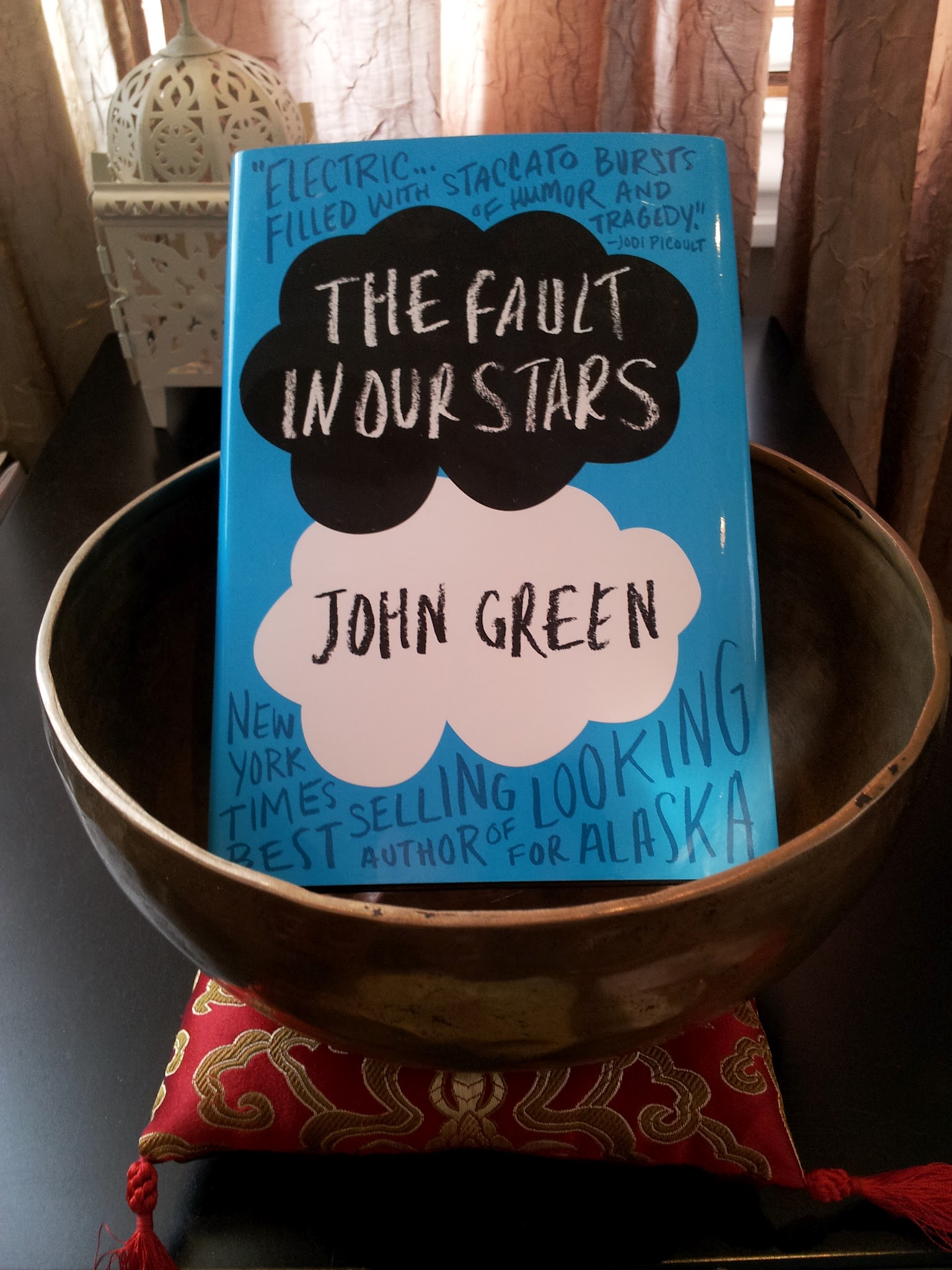
Last week I read John Green’s new novel, The Fault in our Stars.

This is not a review.

After I had read the first twenty-one pages, I told my husband this was going to be the best book I’d read all year.

A little while later I went to the bookstore and bought the hard copy because if Amazon ever disappears and I no longer have access to my e-books, not having this novel would be a particular tragedy. Also, I wanted to hold the tangible printed version in my hands.

When I was twelve, I started writing a novel from the point of view a girl about my age who had been diagnosed as HIV positive. I didn’t get very far with it, but it has lived on in my mind ever since. So when I heard the premise of The Fault in our Stars, I knew I had to read it. It is a novel from the point of view of a girl of sixteen who has terminal cancer. It is a heart sister to the novel I never wrote, that I couldn’t write, and the fact that it exists makes me breathe more freely.

This novel is not a sappy issue book that makes you want to yell at it as if it is conscious before you hurl it across the room and mope.

This novel is not an easy book to read. I can only imagine what it must have been like to write.

This novel is not perfect. Our protagonist says at one point that the movie V for Vendetta is a boy movie. I completely disagree. Of course, one could argue that this slight blemish makes the book even more perfect.

If you talk like either of the two main characters and/or think about the things they think about, I want to be your friend. We can go to a coffee shop every week and have deep existential conversations in between making ironic statements that have us internally rolling on the floor even though on the outside we only cue our mirth with a certain type of smile. If you don’t live nearby, you should move here. It will be worth it.

Also, when you worry about what your life means or may mean or may not mean, I will hold your hand, if you will hold mine.

In the meantime, enjoy this novel. Its construction is a miracle to behold. It has layers upon layers, a story within a story (and then some). It plays with language. It is a brave book. It talks about things that matter that maybe most people don’t want to talk about, like death and dying and illness and meaning and love that lasts through it all. It does not flinch away.

This book punched my heart even while it fed it. Or it filled it up till brimming even while it broke it.

Thank you, John Green.

Read Full Post »

As the year draws to a close, my attention turns to the list of books I have read this year. I’ve been keeping track for the last three years, and I’m surprised at how much pleasure this small habit gives me. I only write down the books I have finished, which eliminates many books every year, nonfiction taking an especially big hit since I often read selections from nonfiction books instead of reading them from beginning to end. Re-reads count, as do beta reads for novelist friends. Short stories and novelettes do not count unless they are in a collection, but novellas sometimes do…if I remember to include them.

Looking over my list for 2011 as of today, I’ve selected my ten favorite new-to-me reads thus far this year. It’s been a fantasy-heavy year for me, in stark contrast to my list of favorites of 2009, which was very science fiction-heavy. Maybe next year I can find more of a balance.

I did read several YA dystopias this year, but upon reflection I am unable to include any of them on my “Best of” list this year. While some of them were entertaining, none of them hold up particularly well in my memory, and almost all of them suffer from some flaw or another that makes me hesitate to recommend them. I haven’t read all the recent YA dystopias that have received good buzz yet (I’ve heard good things about Blood Red Road and Legend, for example), so it’s my hope that I missed a few gems that I’ll catch up on next year.

Favorite YA Novels:

1. Where She Went, by Gayle Forman. Contemporary YA
This is the sequel to If I Stay. It is told from the point of view of a young rock star who is trying to come to terms with his life and his decisions. The two main characters are both passionate about music, which possibly explains why I particularly like it.

2. Red Glove, by Holly Black. YA contemporary fantasy
This is book 2 in the Curse Workers series, and it does not stand alone. I’ve been really enjoying this series; the world building is strong and the books have their own distinctive voice that make them both enjoyable and memorable.

3. Anna and the French Kiss, by Stephanie Perkins. YA contemporary romance
A romance set in a boarding school in Paris. The plot isn’t the strong point here, but the protag Anna’s voice is likeable, distinctive, and feels very very real.
4. The Girl of Fire and Thorns, by Rae Carson. YA epic fantasy
This is by far the best YA novel I read this year. The worldbuilding, voice, plot, characters: all of them worked for me. It reminds me a bit of old Robin McKinley a la The Blue Sword, but definitely tells a story all its own.

Favorite Adult Fantasy Novels:

5. The Broken Kingdoms and The Kingdom of the Gods, by N.K. Jemisin
The last two books of her trilogy, these books do (more or less) stand alone. This is epic fantasy written straight for my own personal taste. I think I particularly love these books because they are NOT set in Ye Olde Medieval Europe only sanitized; the setting feels real and true to itself, and the characters aren’t cookie cutters either. Plus I love the books’ cosmology so much, and I enjoyed the last book in particular, told from the POV of one of my favorite of her gods.

6. Among Others, by Jo Walton. Contemporary-ish Fantasy (set in the 1970s)
You might have to be an SF/F fan to truly appreciate this book (although that being said, plenty of its references did not hit the mark with me). This book takes place after the big show-down of the plot, so can be seen as a novel-length denouement (although of course it is more than that) and it unfolds itself leisurely and with great character depth. The end didn’t work for me, but even so, it was one of my best reads of the year.

7. The Map of Time, by Felix J. Palma. SF(?)
I suppose this novel is technically science fiction, since it involves time travel, but it read more like fantasy to me. A spellbinding yarn that weaves in and out of itself in a few (to me, at least) unexpected ways, this historical fantasy/sf/whatever-it-is charmed me, especially in the sections involving the author H.G. Wells.

8. Zoo City, by Lauren Beukes. Contemporary Fantasy
It’s the worldbuilding of this novel that makes it stand out, set in modern South Africa exploring the consequences of one little addition of fantasy/magic to the world we know now. This novel moves at a furious clip, and occasionally the plot suffers from this, but it’s worth the read to be immersed in this fascinating world.

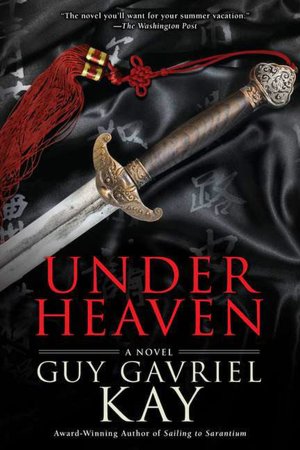
9. Under Heaven, by Guy Gavriel Kay. Historical Fantasy
10. The Lions of Al-Rassad, by Guy Gavriel Kay. Historical Fantasy
What is most noteworthy about my reading year is that I discovered the beautiful prose of Guy Gavriel Kay. I have to be in a certain mood to read him, but when I am, there is absolutely nothing better.

What books did you read this year that you particularly enjoyed? Please let me know so I can add them to my reading list!

Read Full Post »

Some of my favorite novels are ones in which nothing much happens. That’s not to say that nothing at all happens, or that the stakes aren’t sometimes raised, but the story unfolds in a leisurely, unrushed sort of way, allowing me to feel like I’m really getting to know the characters and being allowed to inhabit their lives. In fact, I’m so fascinated by the characters and the setting, I feel wrapped up in a different world and don’t feel the slightest bit bored.

My favorite example of this kind of writing is (no surprise here) Anne of Green Gables and sequels, in which we basically get a window into the life of Anne Shirley and get to watch her grow up. She has victories and struggles, sadness and happiness, and a penchant for getting into scrapes, but there are no real antagonists or villains, no sweeping natural disasters, no explosions. There is the occasional gentle mystery, but that’s about it. I find reading these books to be profoundly restful.

Other examples include the Betsy-Tacy books by Maud Hart Lovelace and much of Jane Austen’s oeuvre, Little Women and even Jane Eyre. I wonder if Ishiguro’s The Remains of the Day could also fall in this category; indeed, perhaps that is part of the reason why I love it so much. Dramatic events happen but there’s plenty of time for the build-up to them and ample space to discuss social events, meals, and daily life.

These books are in stark contrast to the plot-driven fast-paced novel that is currently in vogue (at least in my part of the literary world). Cut cut cut, the advice for writers says. Every scene has to move the plot forward. Commercial fiction needs an antagonist, or maybe even a series of antagonists that lead up to the final Big Boss. I can read a screenwriting manual like Save the Cat! and find it completely relevant to novel-writing because so many novels feel at least somewhat like long-form movies, except instead of fancy cinematography they have ripples of beautifully garlanded prose. Meanwhile, these slow-paced books I’m talking about? They’re made into mini-series and too many versions of artsy costume films.

I want more of these books I love. I want to read books that have a plot but aren’t raising the stakes every five minutes. I want to read books that don’t have predictable plot twists because there aren’t so many plot twists to fit in, and that don’t have cliffhangers at each chapter ending because they are relying on enchantment rather than adrenaline to keep you reading. I want to read books that, while they don’t go off on hundred-page-long tangents like Hermann Melville is famous for doing, meander a little bit on their way to the ending. I want comfort food books in which nothing too awful happens, or at least, not too terribly often. I want more Agatha Christie novels in which, inevitably, justice is served in the end, and even in the face of brutal murders, characters carry on having dinner parties and taking care of their mustaches. I want more screwball comedies like To Say Nothing of the Dog in which the main character can’t remember what he is to do, takes a lazy trip down the Thames, returns a cat, and has to engage in some complicated matchmaking. Sure, the stakes are that the entire fabric of time could unravel, but did anyone feel really worried that such a thing would actually happen? I know I didn’t.

I don’t know if this desire makes me old-fashioned or out of touch. I’d like to think that somewhere out there is a cohort of readers who want the same things I want, who sometimes like to take a break from the page-turners and convoluted plot machinations, or the implausible series of misunderstandings and caricatured character flaws that so often characterize a less plot-driven novel. I’d like to think that this is why novels like Pride and Prejudice are still so popular.

But don’t mind me. I’ll just be curling up by the fire with A Civil Campaign by Lois McMaster Bujold. Or maybe Among Others by Jo Walton, which is my new comfort book find of the year.

Have any comfort reading recommendations? Think I’m crazy to not always want the stakes raised? Please share.

****
I’ll be at World Fantasy Convention in San Diego for the rest of the week, so if you’re also here, please feel free to find me and say hi! I’ll be participating in the Crossed Genres reading on Sunday at 10am (suite number not yet announced), so if you want to be able to say you witnessed my very first reading ever, you know where to be.

Read Full Post »

Last week my husband and I drove up to Ashland, Oregon to attend their Shakespeare Festival for the first time. I’ve been wanting to attend this festival since high school, and it did not disappoint. Also, it’s good to know that I can watch eight plays in four days without burning out on theater.

Ashland was a charming place, and my favorite part was the plethora of bookshops that grace the downtown, including at least two “Books and Antiques” shops. Those two shops were my bookstore dream come true. Both of them had old books in bookshelves all over the shop, surrounded by assorted strange items: a brass urn, a large wooden Noah’s ark, aggressively sparkly jewelry, antique scissors complete with scabbard. One of the shops had an entire section devoted to “Banned Books” throughout the ages, and they threw in a free “I read banned books” pin with my purchase. I could have spent hours in those two stores, and the only reason I didn’t spend more time was the danger of buying more books than would fit in the car for the drive home.

There’s something about old books, isn’t there? I don’t usually notice the smell of books, having a notably poor sense of smell, but in a used bookstore even I notice the musky scent of aging paper. And those old hardbacks feel so weighty in the hand, and lacking the slickness of the modern dust jacket, they seem more mysterious–anything could be lurking behind the slightly battered covers. I was reminded that, however much the world may move towards electronic books, and however many of them I will purchase myself, there is something inside me that will always be enchanted by the book as a physical object.

So I decided to share that enchantment with you by showing you photos of my book haul from these two lovely shops.

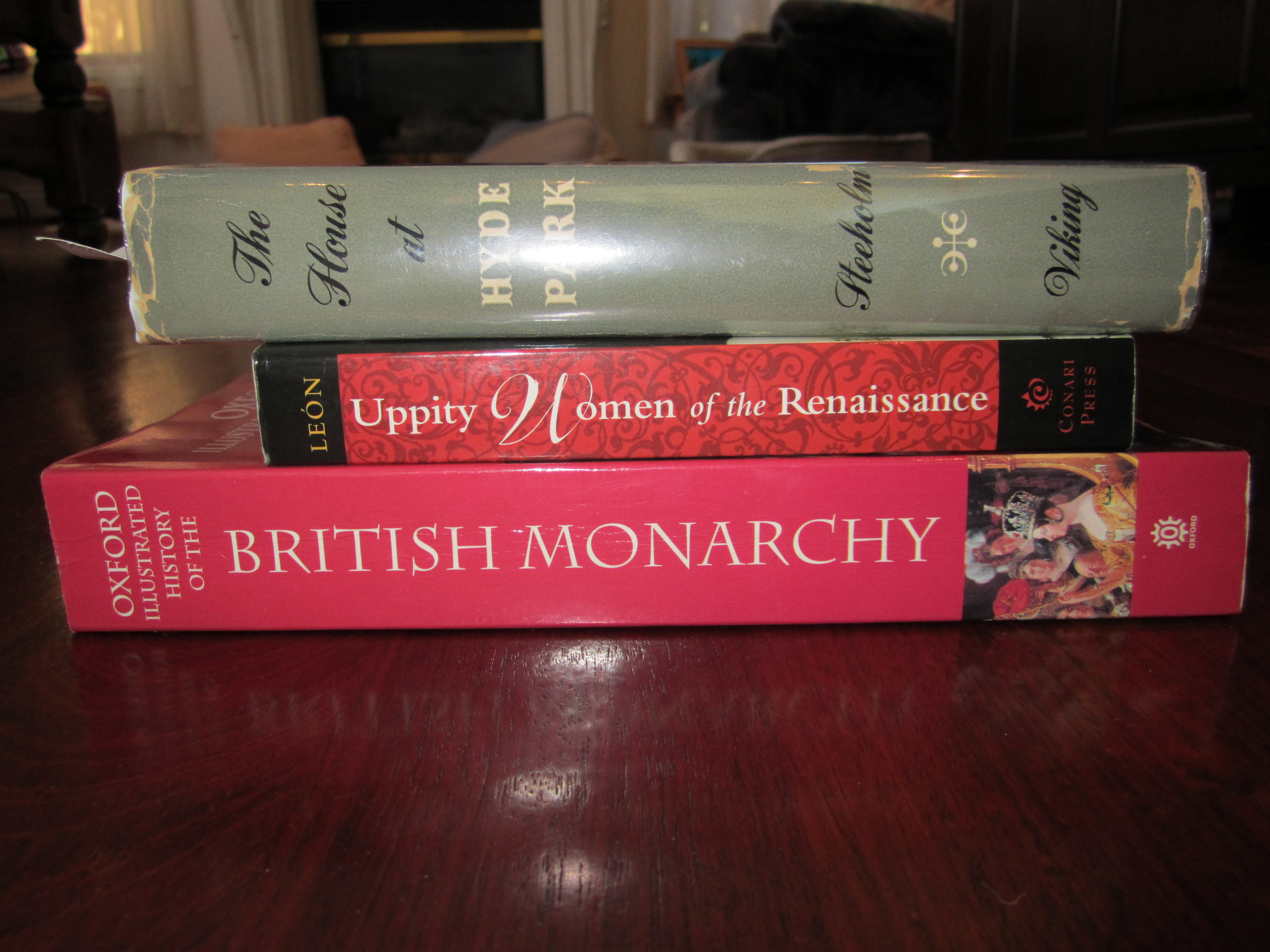
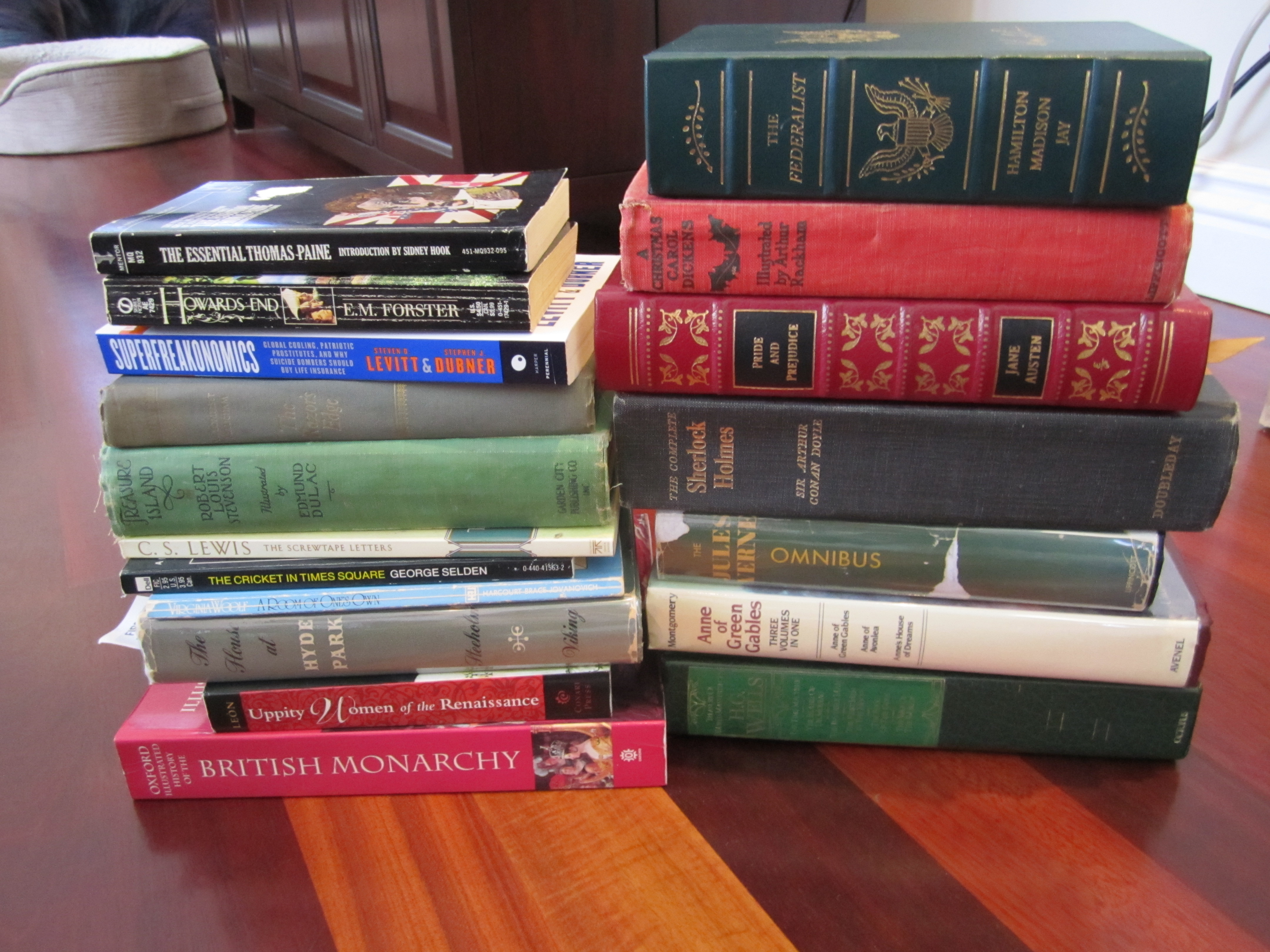
These are my three nonfiction selections. I love English history, and after having just seen Shakespeare’s Henry IV Part 2, I was particularly inspired to get a book on the British Monarchy. Short sketches of famous women in the Renaissance? Equally interesting, with possibilities of awaking some story ideas. The top book is about the home life of Theodore Roosevelt and his family at the turn of the century (19th to 20th), which is a time period I’m quite attached to (think Anne of Green Gables and the Betsy and Tacy books).

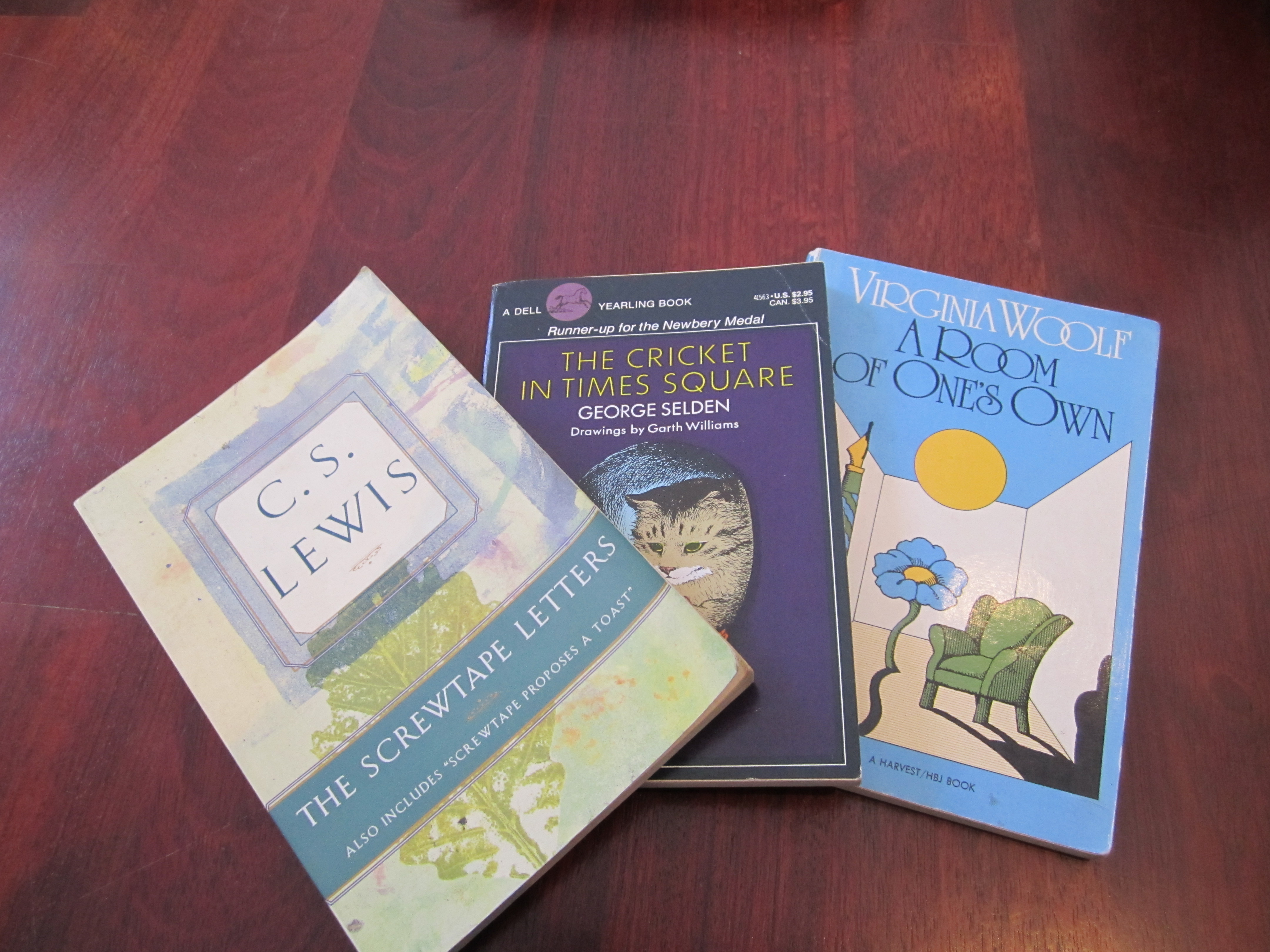
My bouquet of paperbacks. I’ve only previously read the middle one. I really wanted to get Virginia Woolf’s On Being Ill, but neither shop had that one, so I got this one instead.

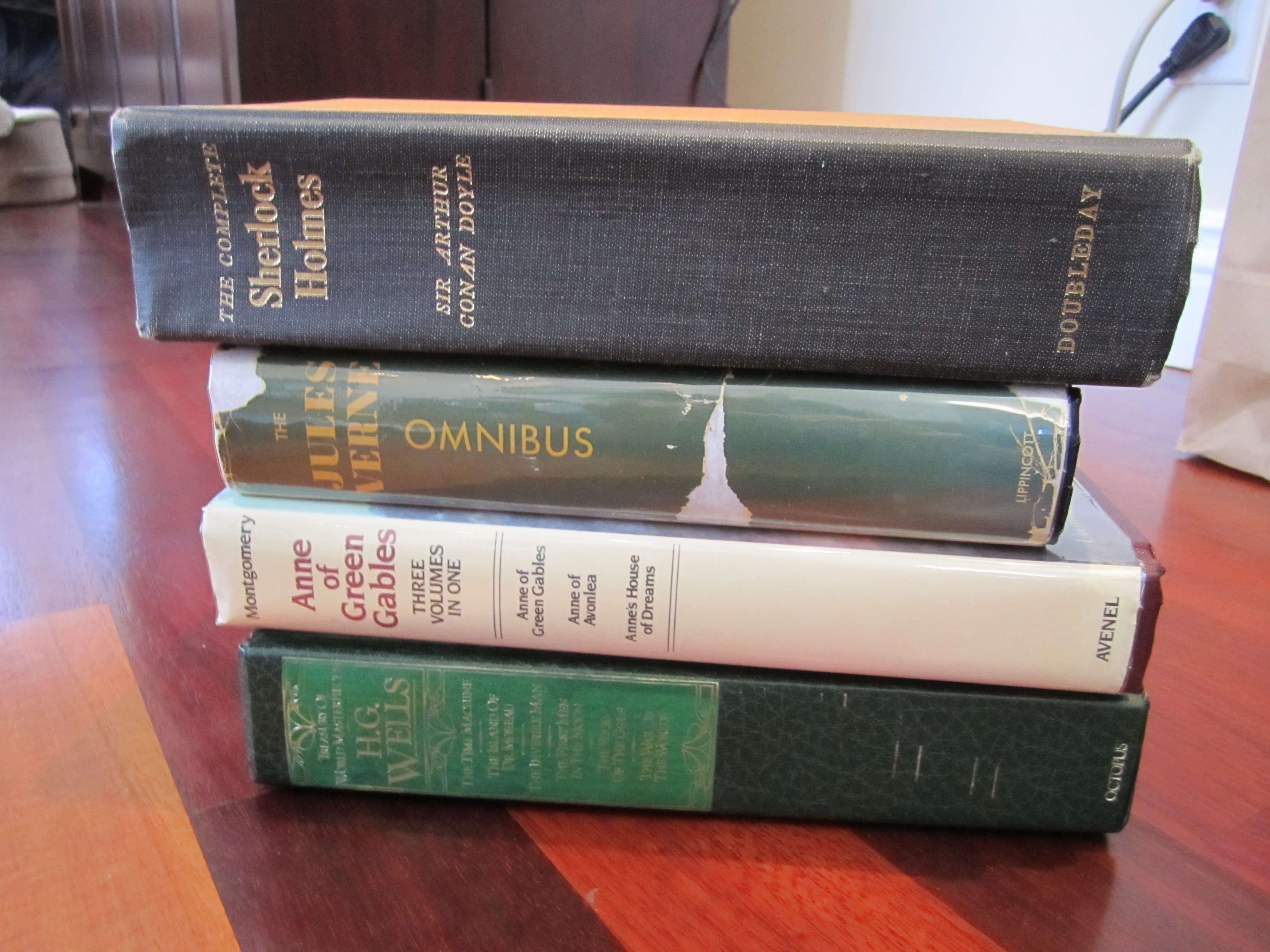
Okay, how exciting is this stack? The H.G. Wells omnibus on the bottom is particularly well made, but all four of these books make me hungry for reading. And my favorite three books of the Anne of Green Gables series all in one volume? I couldn’t resist.

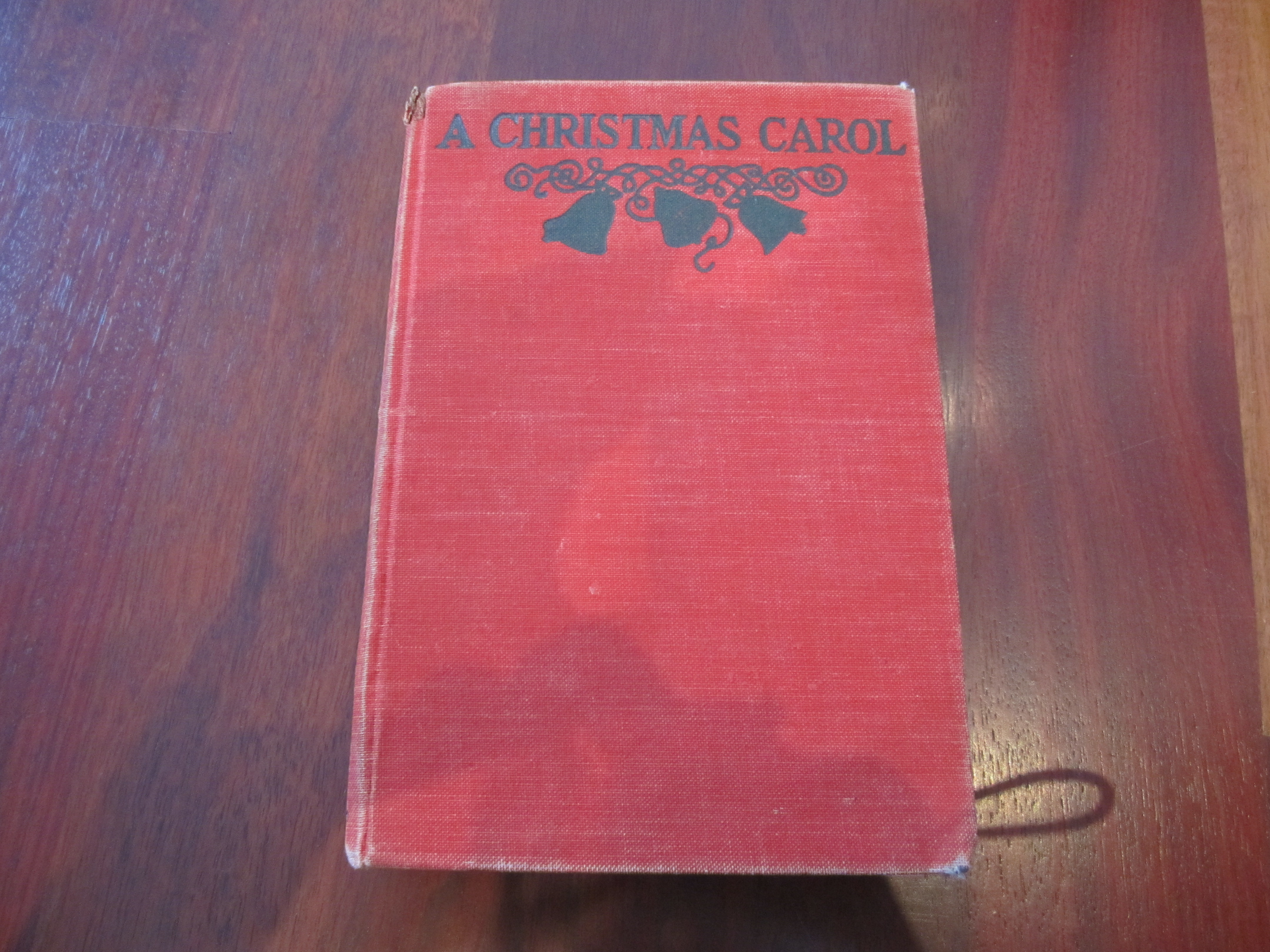
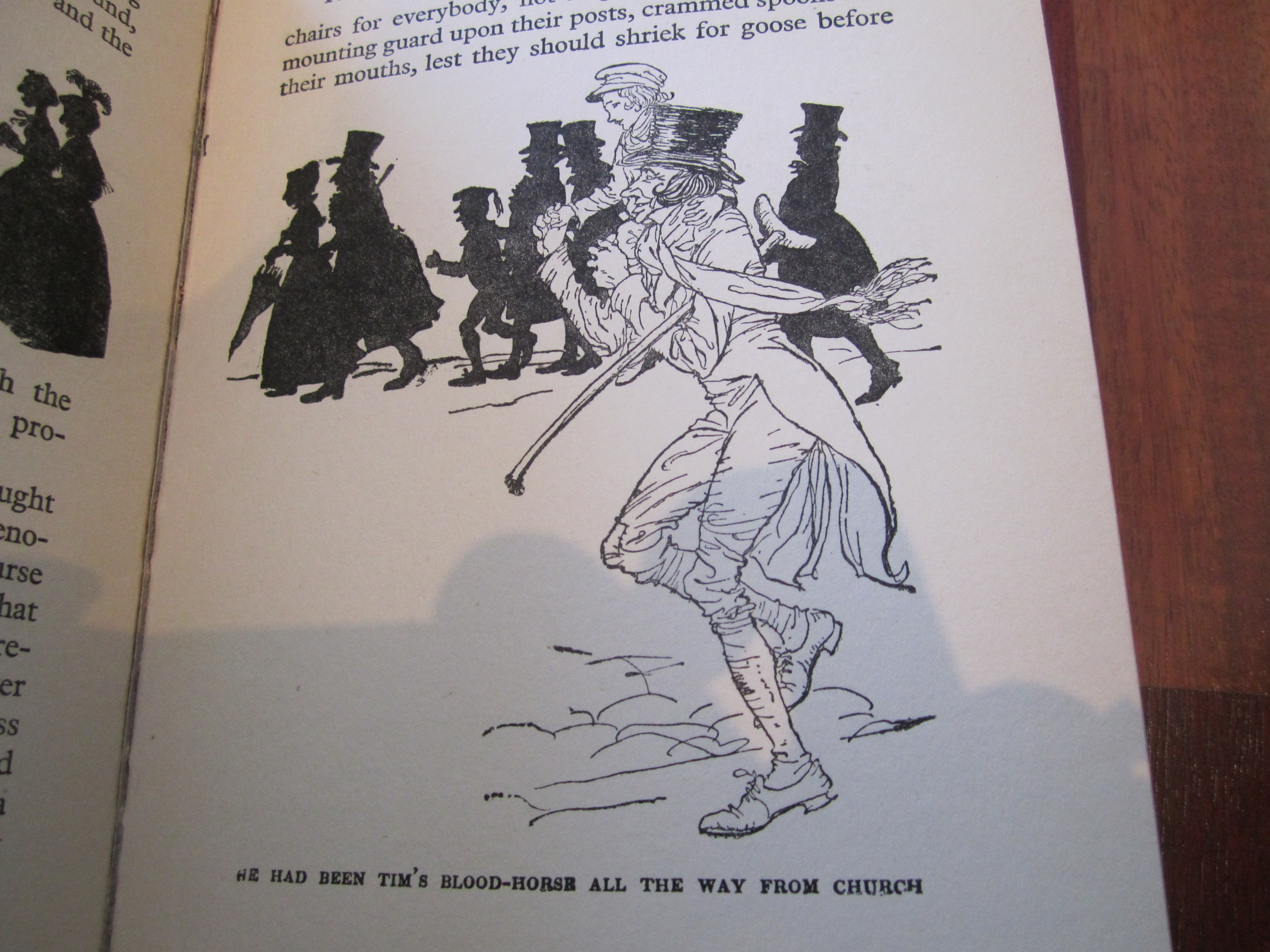
I love this old edition of Dicken’s A Christmas Tale. My husband and I read this story together every December. Look at that art! It reminds me of the old books my mom saved from her childhood.

I’ve saved the best for last. I saw this book and I knew I had to have it.

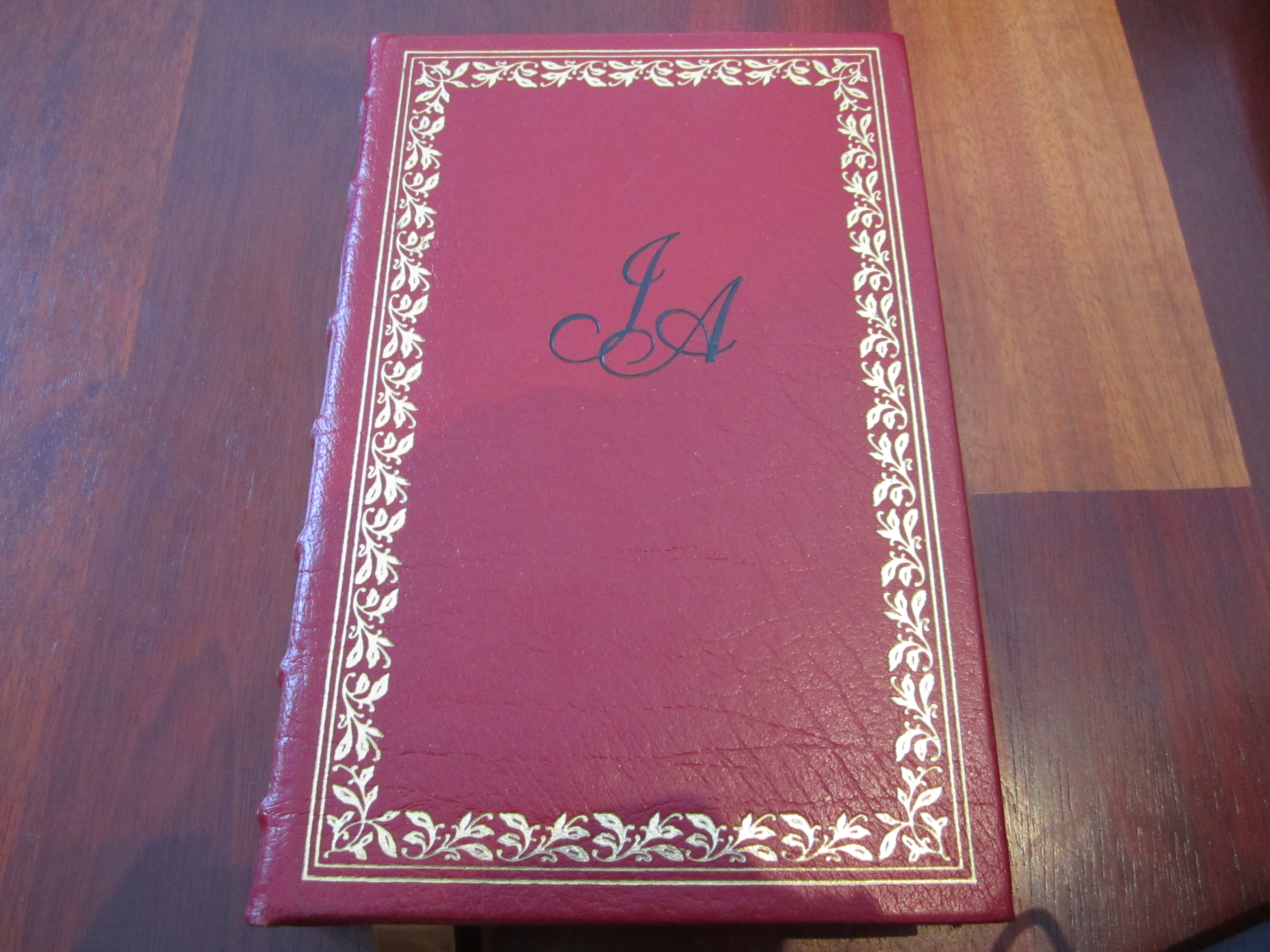
Yes, it is indeed leather-bound. And it has golden gilt on the edges of the pages. I’ve been looking for the perfect edition of Jane Austen’s Pride and Prejudice for quite some time now.

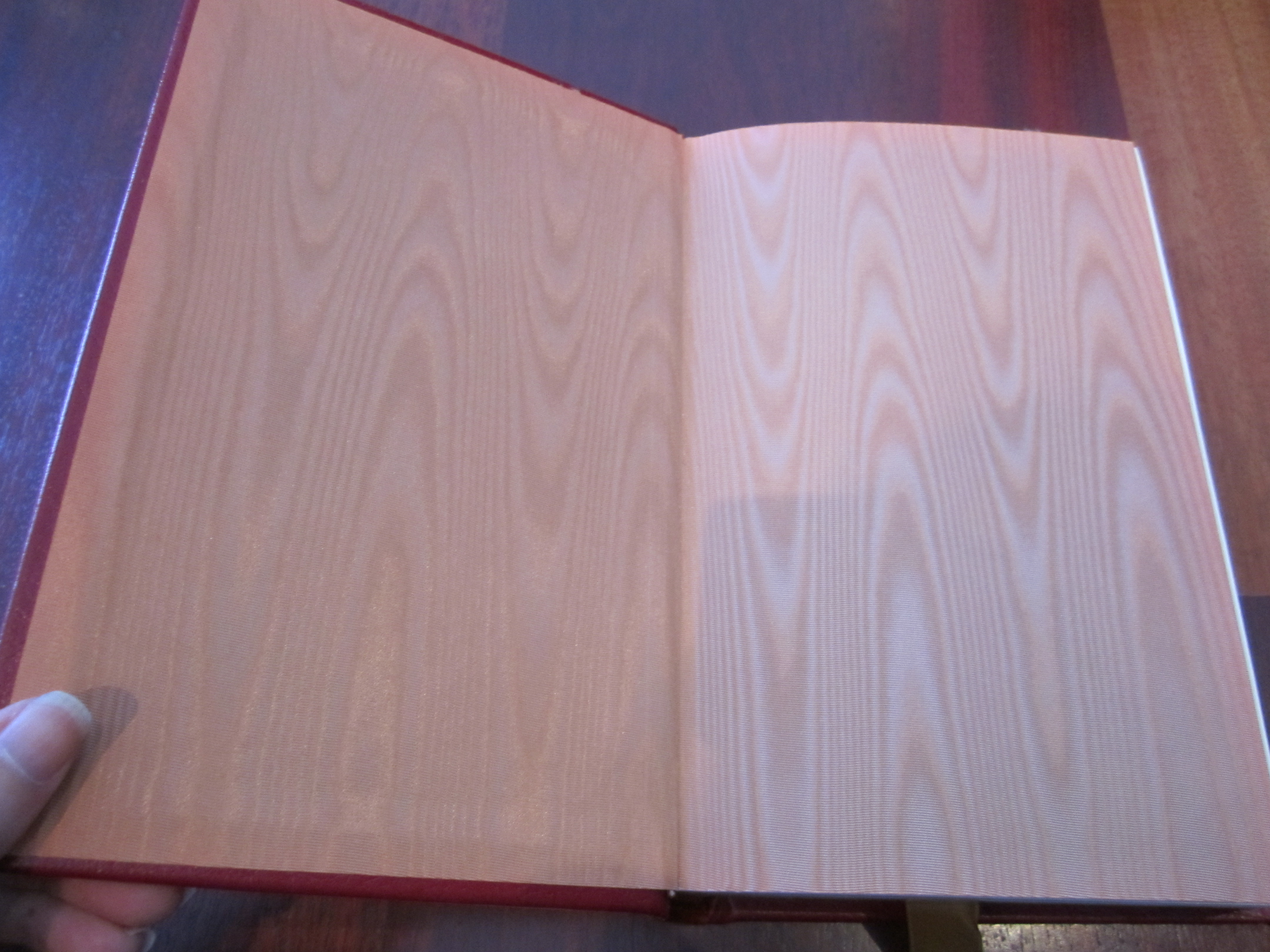
The end papers look even better in person: a shiny, orange gold color with a pleasing texture.

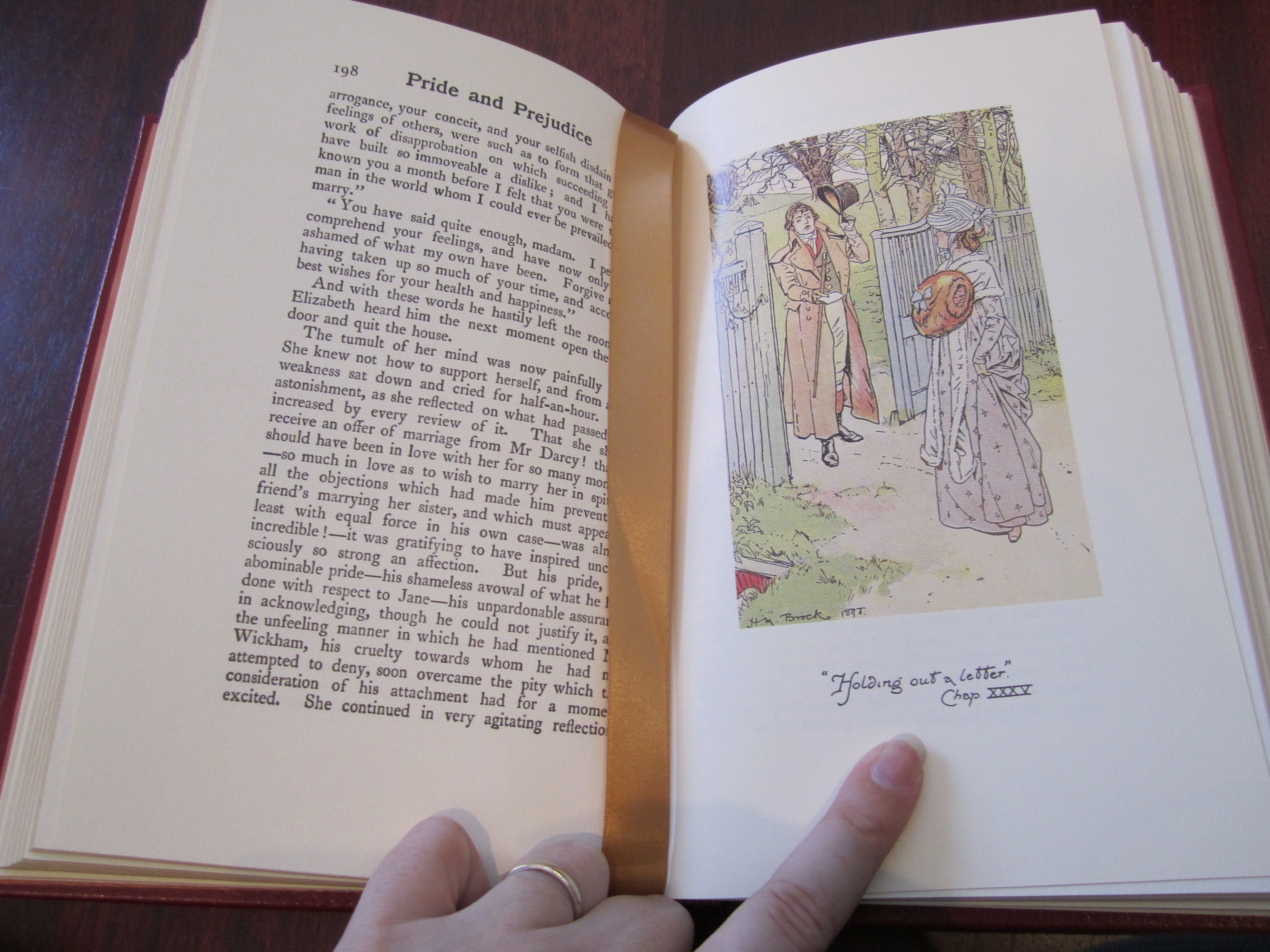
And it is illustrated. And it has a golden ribbon to keep your place as you read. How elegant!

I adore this book with all my heart, both its outer form and the story it tells.

We obtained many, many books in Ashland. I can’t wait to start reading them!

Too bad my to-read pile already takes up several shelves….

Read Full Post »

I have noticed a lot of confusion in the speculative community about the difference between Young Adult (YA) fiction and Middle Grade (MG) fiction. Indeed, some people seem unaware that there is a difference, a problem with which I sympathize, since I had no idea about this myself until a few years ago. So I am going to attempt to explain the difference, and I’m counting on my Kidlit colleagues to correct me where I go wrong (or expand, as the case may be). 

Middle Grade:

Age: These novels are targeted at readers aged 8-12. The protagonists are often (but not always) aged 8-14. (Kids tend to read up. So do teens.)
Word count: The word count tends to run 25-40k for a completed novel.
Conflict: Characters are learning how they fit into their own world. At the same time, the conflict is more likely to be focused on the external (ie our Hero is trying to save the world or save the day).
Edge factor: No sex, no drugs, no swearing. Usually not much romance at all, although there are often boy-girl friendships with hints that it may become romantic someday in the future, and/or “crushes” that don’t lead to serious, deep relationships.
Action: MG novels tend to be more action-packed, with tighter writing, faster pacing, and less time for reflection and/or angst. That doesn’t mean that well-drawn characters aren’t important in MG, just that the focus is different.
Themes: often focusing on the protagonist’s family, friends, and community. Can deal with puberty changes. Often wide in scope (the protagonist as Hero).

Young Adult:

Age: These novels are targeted at readers aged 12 and up. The protagonists are often (but not always) 15-18 (due to the reading-up phenomenon mentioned earlier).
Word count: The word count tends to run 45-80k, and longer if it is a speculative fiction YA (then 90-100k is not uncommon, and sometimes you see books running in the 120k range).
Conflict: Characters are confronting adult problems, often for the first time (coming of age, etc.).The conflict is more likely to focus on the internal (although this by no means excludes external plot as well, particularly in speculative YA).
Edge factor: Writers can get away with a lot more edge in YA, although sometimes these books will be recommended for ages 14 and up, instead of age 12. Also romance plays a much larger role in many of these books, as either the main plot or an important subplot. (This is possibly because so much of the YA market is currently focused on a female audience.)
Action: It depends on the book, but with more focus on the internal and subtle character nuances, YA novels are often less action-packed than their MG cousins (although not always). Keep in mind, too, that YA novels can easily be two to three times longer than MG novels, so the action is often more spread out.
Themes: often focusing on the protagonist growing up and becoming an adult. Often shows a teen’s relationship with society (hence why YA dystopia is an easy fit). Can still be epic in scope, but is more likely to spend more time dealing with the teen’s internal life.

Examples: (WARNING: SPOILERS AHEAD)

Harry Potter series (J.K. Rowling) – in my opinion, the first three books (maybe four) are clearly MG, and then it gets a bit more murky as the series gets darker in tone and spends more time focused on Harry’s inner life.  People enjoy arguing about the classification of this series.

Twilight (Stefenie Meyer) – classic YA. Bella is 17 years old when the first book begins. The book’s main plot is a romance, it’s more internally focused, Bella is dealing with growing up; by the end, she’s married with a baby.

Hunger Games (Suzanne Collins) – YA. Katniss is 17 (I think?) at the beginning of the first book. While this book has a lot of action, its focus is on Katniss’s inner journey just as much as her outer one. It begins when Katniss performs an act of sacrifice and takes on an adult role, and follows her struggles to perform that role. Also has a strong romantic subplot.

Charlie and the Chocolate Factory (Roald Dahl) – MG. Charlie is younger, and his family relationships are of crucial importance to him (and not in a breaking away from the family as he grows up kind of way). Lots of cool stuff happens in this book, and at the end Charlie is the Hero, the winner of Willy Wonka’s challenge. Has a more external focus.

Charmed Life (Diana Wynne Jones) – MG. Again, a lot of focus on Cat’s relationships with his family (Gwendolyn) and his surrogate family. Lots of cool stuff and action happens. Cat gets to save the world, something he didn’t know he was capable of doing. Has a more external focus.

13 Reasons Why (Jay Asher) – YA. A lot of focus on intricate social relationships as framed by high school. Talks frankly about suicide, sex, rape. Shows a coming-of-age that fails, and how that failure shapes the coming-of-age of a classmate.

All right, now it’s your turn to chime in. What did I get wrong? Do you have other examples of YA  or MG books? What exceptions can you think of?

Read Full Post »

« Newer Posts