Feeds:
Posts
Comments

Posts Tagged ‘Amy Sundberg’

That’s great you have a support system, Amy, but how did you get here?

I’m going to write about how I built up my support system in the last three or so years, but I need to begin with a caveat: Your mileage will vary. A lot of factors can affect building a support system: personality traits, geographic location, age, whether or not you have kids, financial/work situation, etc. What I’m going to talk about is what worked for me.

Begin with what you’ve got. I didn’t begin completely from scratch. When I realized things were really bad, and I’d need a support system to weather the storm, I sat down and took stock of what I had. The answer was: Nala, a loose sprinkling of local acquaintances from the last ten or so years, the writing community, game night, one non-local friend I had opened up with, two local friends I thought I could bear to open up with, a couple of professionals. This is what I had to build from. It wasn’t great, but it could have been a whole lot worse.
Friendship.

Friendship.

Find your professional supports, if possible. These are the people who form part of support systems professionally. Often you will pay them, Sometimes you will not. These are your therapists, body workers, teachers, coaches, ministers/priests, trainers, sponsors if you’re doing AA-related stuff, doctors, hospice workers, etc.

The great thing about these people is that providing a certain type of support is their job (be it paid or volunteer). This simplifies the relationship in some ways. The downside is that not all professionals are created equal, and it can be a fair amount of work to find the ones that work the best for you.

Up your self care and communication skills. This way you’ll have a much better idea of what you need. And then you can ask clearly for what you need, which gives you a lot better chance of receiving it.

Okay, now we’re going to move to the life mountain metaphor, which I love and first talked about here. Summary: Each of us stands on the peak of our own mountain. Our closest friends are on the top of the mountain with us, then our friends, then our kind of friends, with our acquaintances at the bottom. Got it?

More is better on the mountain. Why is this true? Well, when you’re building a support system, you ideally want a lot of layers and fail-safes built in. After all, you want your support system to hold some load. You want more people because: 1. you can spread the load out over more people, 2. if life happens to some of your key support people, you have other options, and 3. when change happens (as it inevitably will), you can potentially move some of the people who are lower down the mountain up.

But it should be a good more, not a desperate more. If people are repeatedly treating you badly or if you just don’t get along well with them, they probably shouldn’t be on your mountain at all, or else be at the very bottom.

It takes time. And when I say time, I mean both time to spend with these people who populate your mountain, and a longer timeframe to develop these relationships with strong foundations of mutual respect and trust. You can’t build a support system overnight.

(Exception: If you participate in an intense experience that is specifically organized to bond people, then you can become very close very fast. I tend to be slightly suspicious of this though because you’re away from your regular life and often a lot of possibly important information and context is omitted. Not that I don’t think this can’t work, but I’d use caution.)

Learn to be okay with rejection. Learn to walk away. Not all people you invite to various tiers of your mountain will want to be there. Usually these people won’t reject you outright; they’re more likely to be vague and/or very busy and/or noncommittal. Let them go. Some people will want to be there, and it will turn out they’re really not good for you. Let them go too. Sometimes you will want certain people to be higher up on your mountain, but no matter what you try, they never rise above a certain tier. Let them stay where they are. Find different people to bring higher. (Which, yes, takes even more time.) Do whatever you need to do to learn to be okay with all of this.

Find hubs and communities. This does speed up the meeting process a bit. Hubs are people who seem to know “everyone” and enjoy connecting people. They are often hard to get close to themselves, but they are gold to know. Communities tend to have regularly recurring events, which makes forming friendships easier. And communities often provide a form of support in and of themselves.

“Friend” everyone you meet. Especially local people. I’m a big believer in weak ties. You never know which ones might turn into actual friends. You can use Facebook to communicate with them and potentially develop the friendship. And you will receive a lot more invitations this way, and you can meet more potential friends at these events. (Yes, this is all also great for dating.)

Say yes. The more you participate, the more friends you’ll meet, the more populated your mountain will become. Say yes when you can. Say yes even if it’s a little outside your comfort zone. (Say no too, of course, for self care.)

Learn to stay in touch. A little can go a long way. The random text message. A short IM chat. A tweet, Facebook comment, or even a like. An invitation to a party or event. A bit of extra effort made for friends you like who are visiting from out-of-town, if possible. Or even (cough) a blog, so people feel they have some idea what’s going on with you.

You have to be the one to reach out first. Yeah, I know, this is totally unfair, but also the most effective. People are busy and used to their own routines. You have to be the one to show interest, to extend that first invitation, to check in. Once the friendship is more established, this will balance out to a more equal distribution of effort (not always, but often). When it doesn’t balance out, what tends to happen is that as you fill your mountain with other people who do balance the effort, the friends who don’t will naturally move further down the mountain.

When I started, it was really hard for me to issue that first invitation. Now it seems like a completely normal thing to do. Practice pays off. It also gets easier to…

Find the “excuse” to hang out. Yes, it should be something you’d like to do, but you have to have something you’re inviting a potential new friend to do. Usually this will revolve around either participating in a common interest or talking about that interest. If it’s going to be primarily talking, it also commonly revolves around food and/or drink. I have friends that started as writing friends, theater friends, dancing friends, board game friends, movie friends, foodie friends (which can simply mean that you both love pie), etc. Over time, this might expand to encompass all kinds of subjects and activities (and might even eventually not have anything to do with how you first bonded), but at the beginning, you just need that first excuse.

For example, one of my closest friends and I met at game night. So we had board games in common. One game night he mentioned Japanese curry was one of his favorite foods. I had never had Japanese curry. He mentioned it one or two more times, and then I asked him if he’d like to go to curry with me so I could try it. And that was that: the beginning of a beautiful friendship.

Open up trial and error. At some point in the friendship, in order to move a friend up the mountain, you have to open up to them. This can be terrifying, and it’s not all in your head. It is an actual risk, and you must take it. And sometimes it will end badly. Sometimes you will realize you cannot discuss a certain subject with a certain person. Sometimes you will realize you cannot discuss anything sensitive with a certain person. Sometimes people will judge you harshly. Sometimes people will give you really obviously bad advice, very sincerely. Sometimes people will be unkind. Some of these people should not be allowed to progress to the top of the mountain.

With practice, much of this can be weeded out ahead of time. But you can never know for sure until you’ve done it. It gets a bit easier when you have other friends you trust. But when you’re starting out, well, it’s like jumping from a plane.

Recently when I did this, here is what I said: “So…we’re about to either become better friends or have an awkward moment. You game?”

He was game. We are now much better friends.

Learn what kind of support you can successfully ask for from different friends. Friends have different strengths and weaknesses. Ideally when asking for support you can play to their strengths. Some friends are great for when you’re in tears. Some friends give great romantic advice, others give great career advice. Some friends are perfect for giving you a distraction. Some friends excel at connecting you to other people. Some friends are great listeners. Some friends get you out of the house. Some friends are great for logistical issues. Some friends make great soup when you’re sick. Asking people for what they’re good at giving makes both of you happy and brings you closer together.

For example, I am horrible at being asked for rides. There are a few exceptions, but really, I’m often just no good at this. And I’m not great at non-emergency last-minute practical favors either. But I’m good in an emergency, and I’m good at listening, and I’m okay at distracting.

Finally, know this is not easy. It takes lots of time and effort. There may be setbacks, sometimes major ones. There may be discouraging days. There may be times when you need large chunks of alone time. There is nothing wrong with you if it feels like an uphill climb.

It certainly felt like an uphill climb to me. And I’m sure there will continue to be bumps and obstacles. All I can tell you is what I told myself: Yeah, maybe you’ve failed. Maybe you’ll fail again. But keep trying anyway. Take a break if you need to, but never completely give up.

This is how I got to where I am right now.
Read Full Post »

I remember wishing for a support system.

I don’t remember exactly when this was. It couldn’t have been high school because I didn’t aspire to anything as lofty as a support system in those years. So it must have been college, when my mom was dying. I needed a support system while she was sick, and I knew I’d need one just as much after she died. I remember writing lists, plotting out how I could create this support system that I so desperately needed.

I failed. I couldn’t find a support group. I couldn’t figure out the mental health services on campus. I found very few peers with whom I could speak openly. My mom had two wonderful volunteers who came to visit her while she was sick and then helped us organize the memorial after she was gone. But then they went back to their regular lives. I desperately wanted my relationship with the rest of my family to be close, but it was not close, and I could not force it to become close, however much I tried.

I didn’t get what I needed.

I tried a few more times later on to create this support system I’d been so convinced was a good idea. Each time I failed. Each time I became less convinced it was even possible. I never completely gave up, but my efforts became more and more half-hearted as time went by.

It occurs to me now, writing this, that when you’re chronically not getting what you need–when, in other words, you are starving–then you’re in no position to set strong boundaries. You’re in no position to set many boundaries at all.

I’ve been thinking about support systems again because the last couple weeks have been on the rocky side, and in the breaks between bumps, I’ve been watching how I handle it.

When I think of the Me of ten years ago, or even three years ago, I don’t recognize myself.

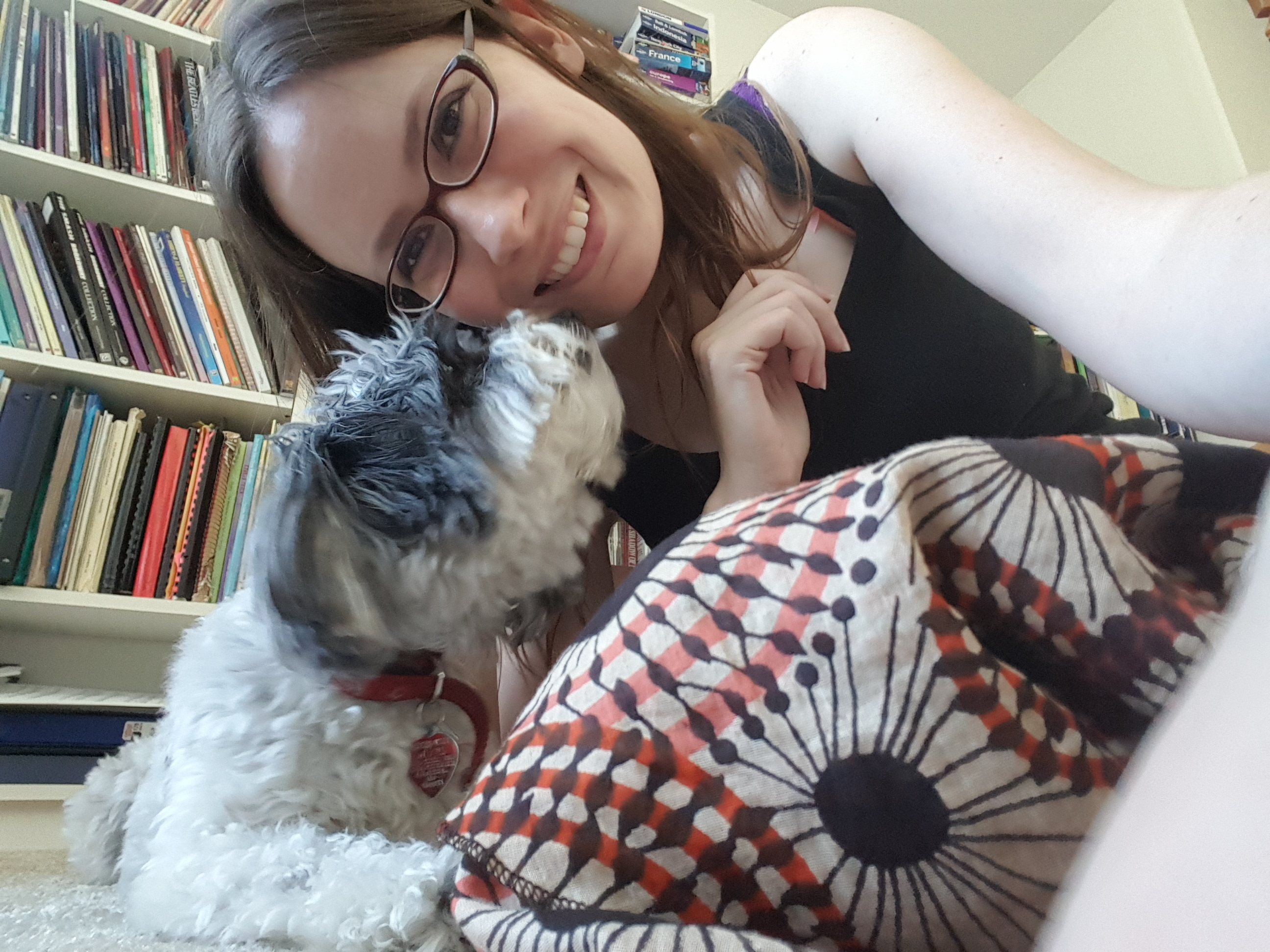
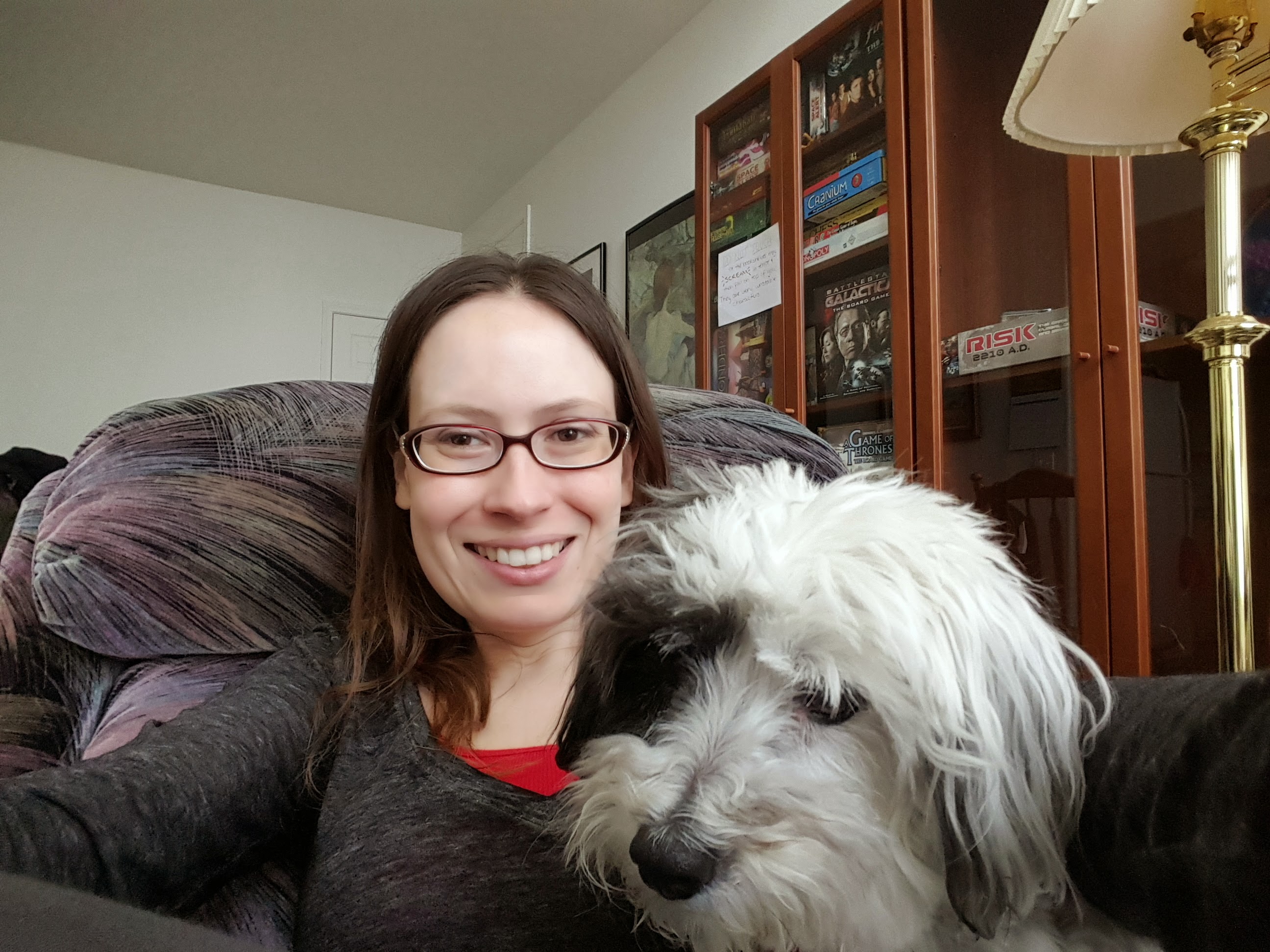
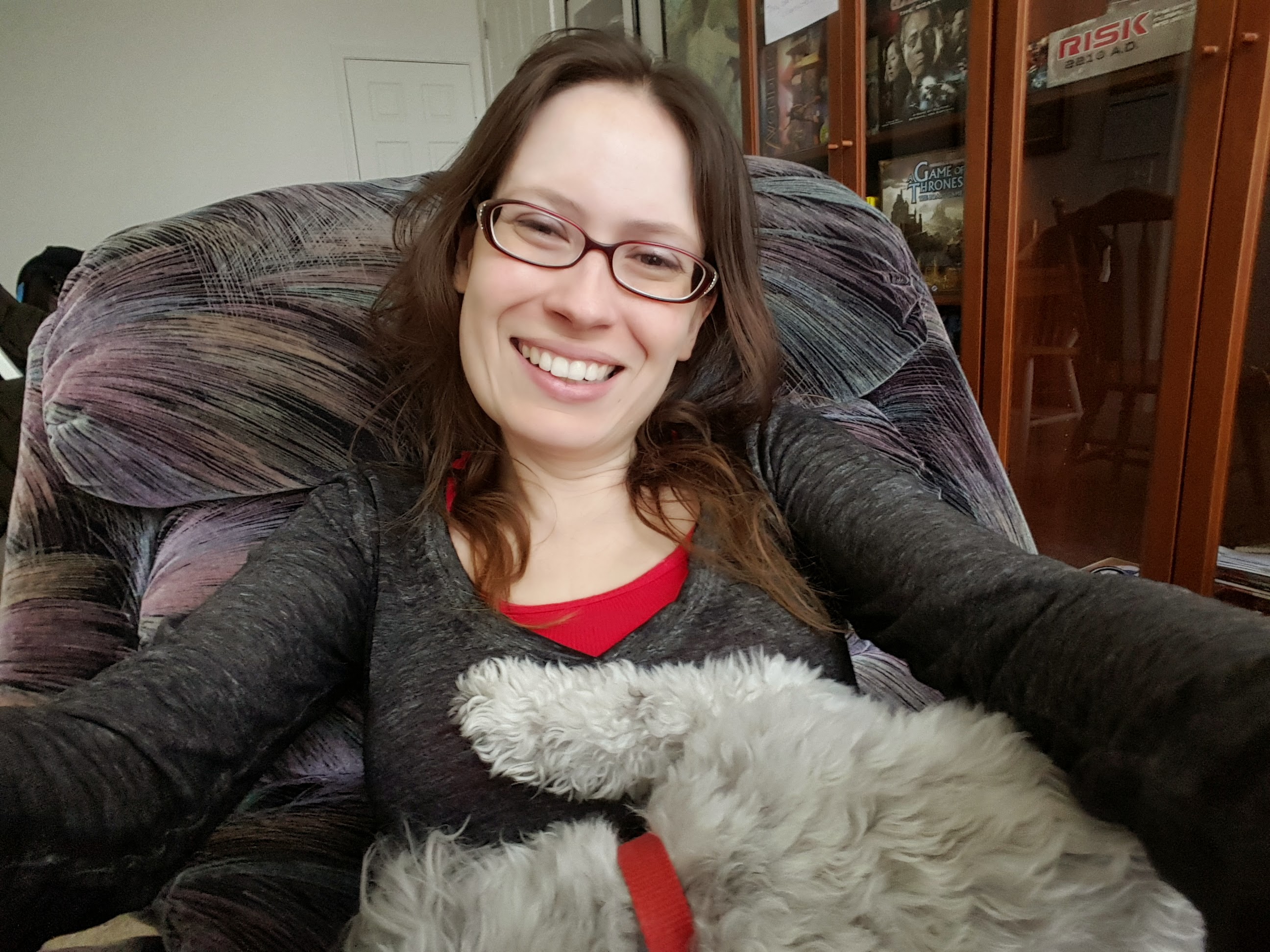
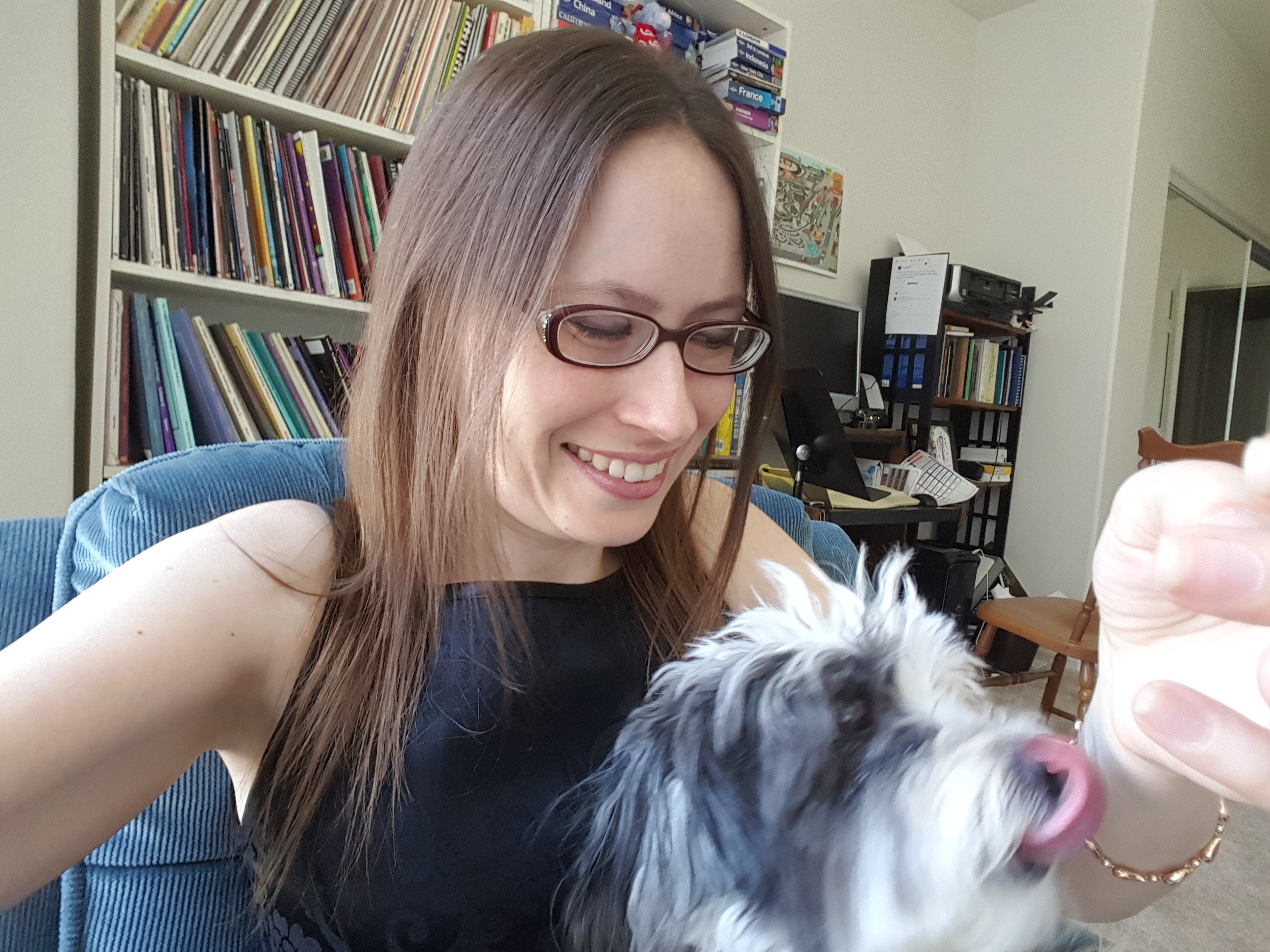
Part of the difference is that I’m now an expert in Amy care. And the rest of the difference? It’s that support system I always wanted. I have it now, and I don’t hesitate to use it. Within a few hours of my first awareness that I wasn’t exactly a happy camper about some things that were going on, I was on the phone with one of my best friends. And every step of the way through the following days, I’ve felt supported, in several different ways, by a wide variety of people and communities (and little dogs).

Granted, these have been relatively little bumps I’ve been experiencing. But I know if they had been bigger, those same people and communities would have been there for me.

I am getting what I need.

Here, then, is a message to Past Me: Your idea about support systems is as good as you think it is. I’m so sorry you don’t already have one, and I know it’s really hard to put one together, but hang in there and keep trying. You’ll eventually figure it out.

You’ll eventually get what you need.

And here is a message to those of you who are part of my support system now:

Thank you for feeding my heart.

Photo Credit: sullen_snowflakes via Compfight cc

Photo Credit: sullen_snowflakes via Compfight cc

Read Full Post »

Six Years With Nala

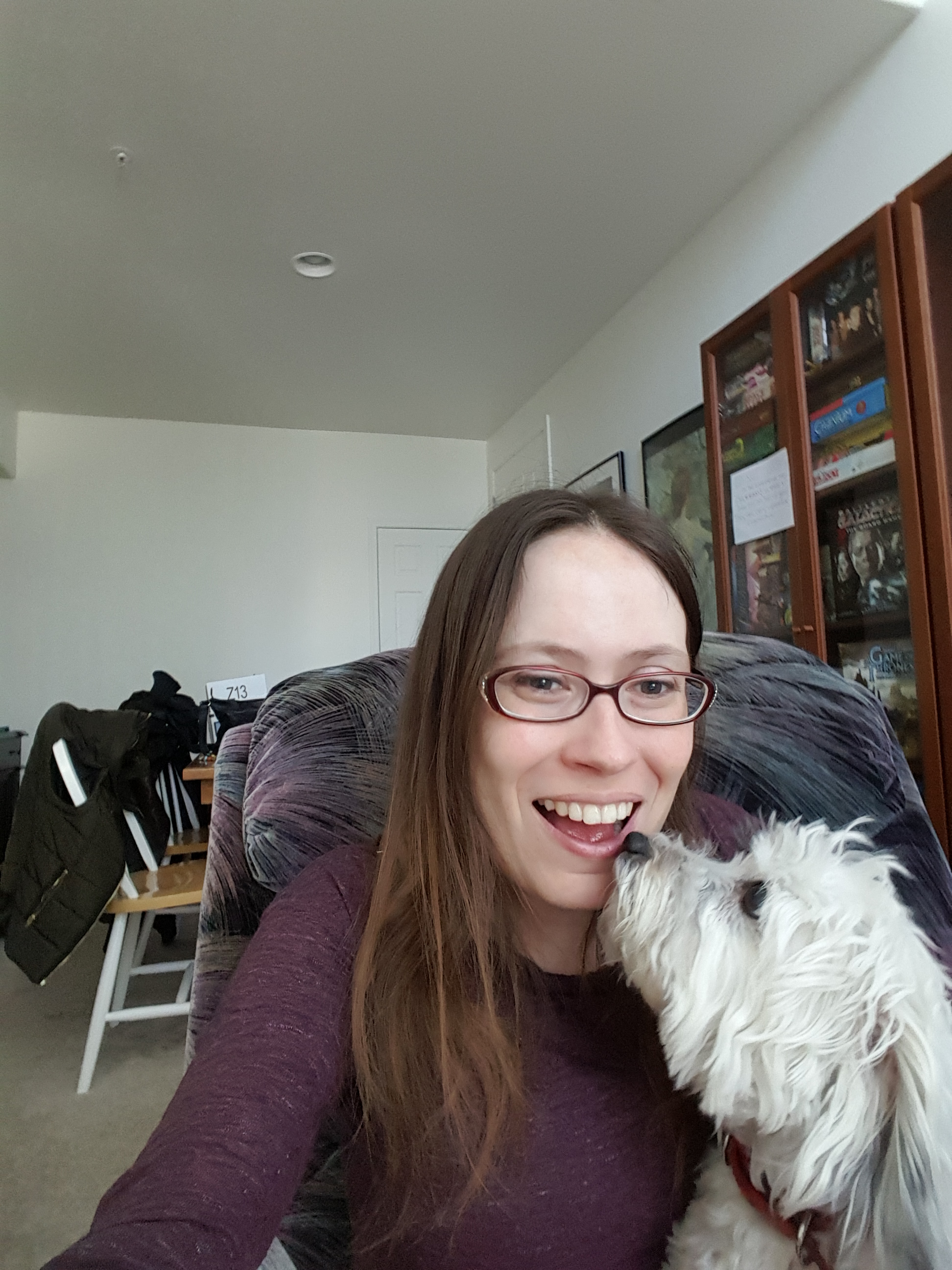
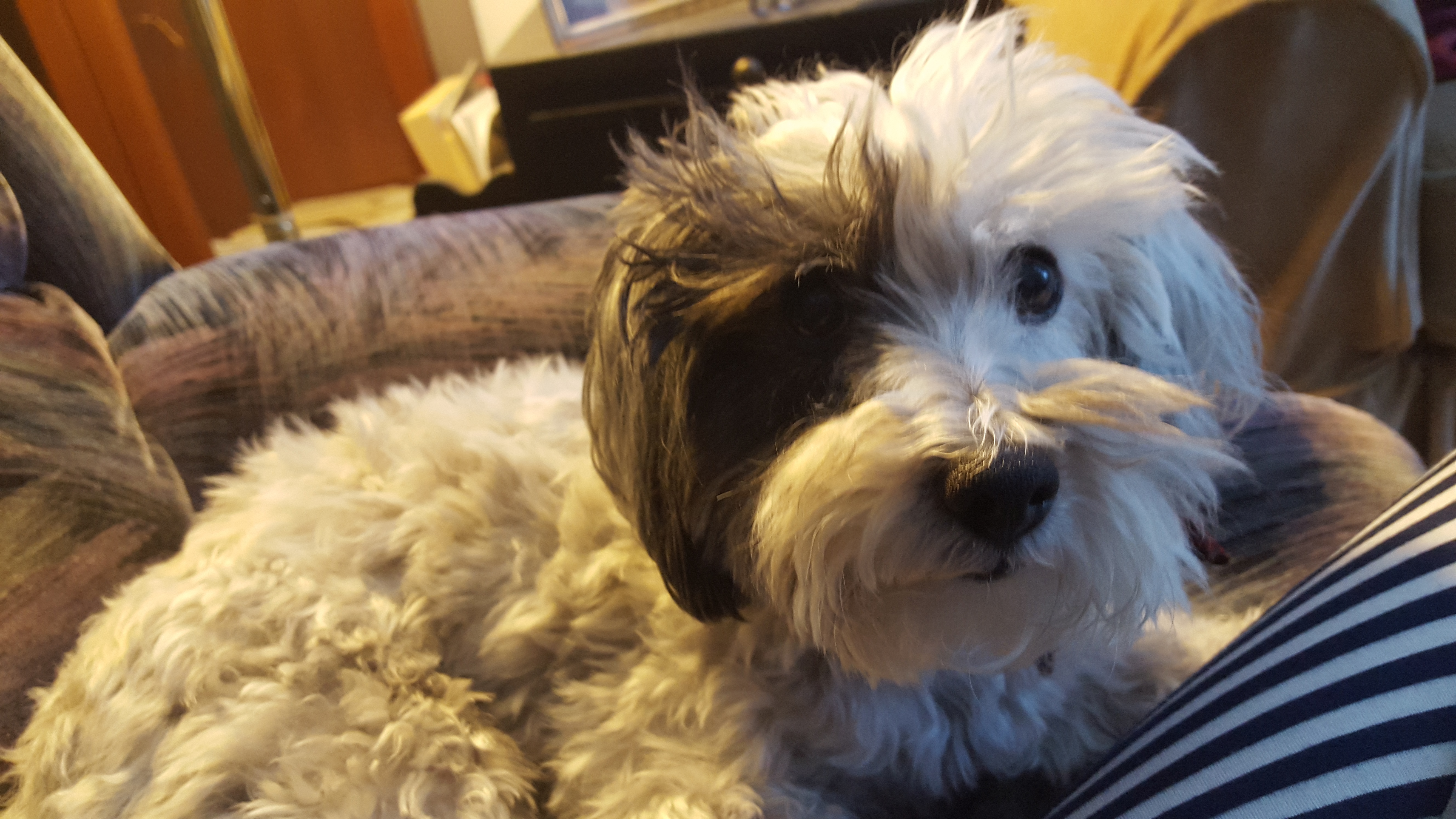
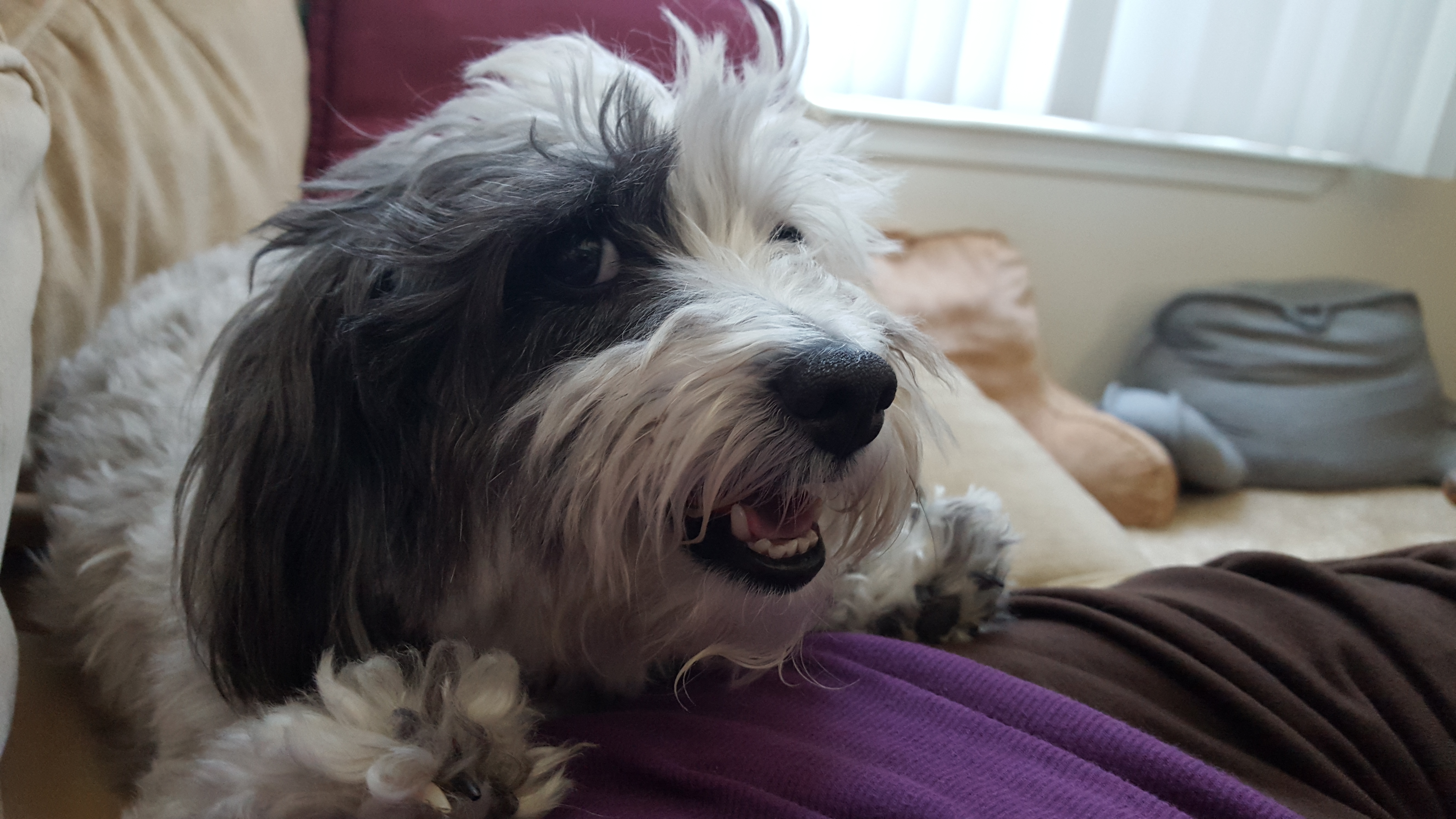
Today Nala and I are celebrating our sixth anniversary of living together and being best friends.

20150613_160755

Doubtless everyone who reads this blog already knows how much I love this little dog. And how much she loves me.

20150609_231823


Someone asked me this year, “Amy, what would you be doing with your life right now if you didn’t have Nala?”

My answer was, I’d be traveling. I’d be nomadic. I’d put all my stuff in storage, and I’d go around the world with my laptop, writing as I went.

And then I said, “And after several months I’d be incredibly lonely.”

As romantic as it sounds, I’m glad that’s not what I’m doing with my life right now. And I’m grateful to Nala for providing me with the grounding that has encouraged me to stay in one place and learn to make the connections with my friends and communities that are so important to me.

20150602_130100

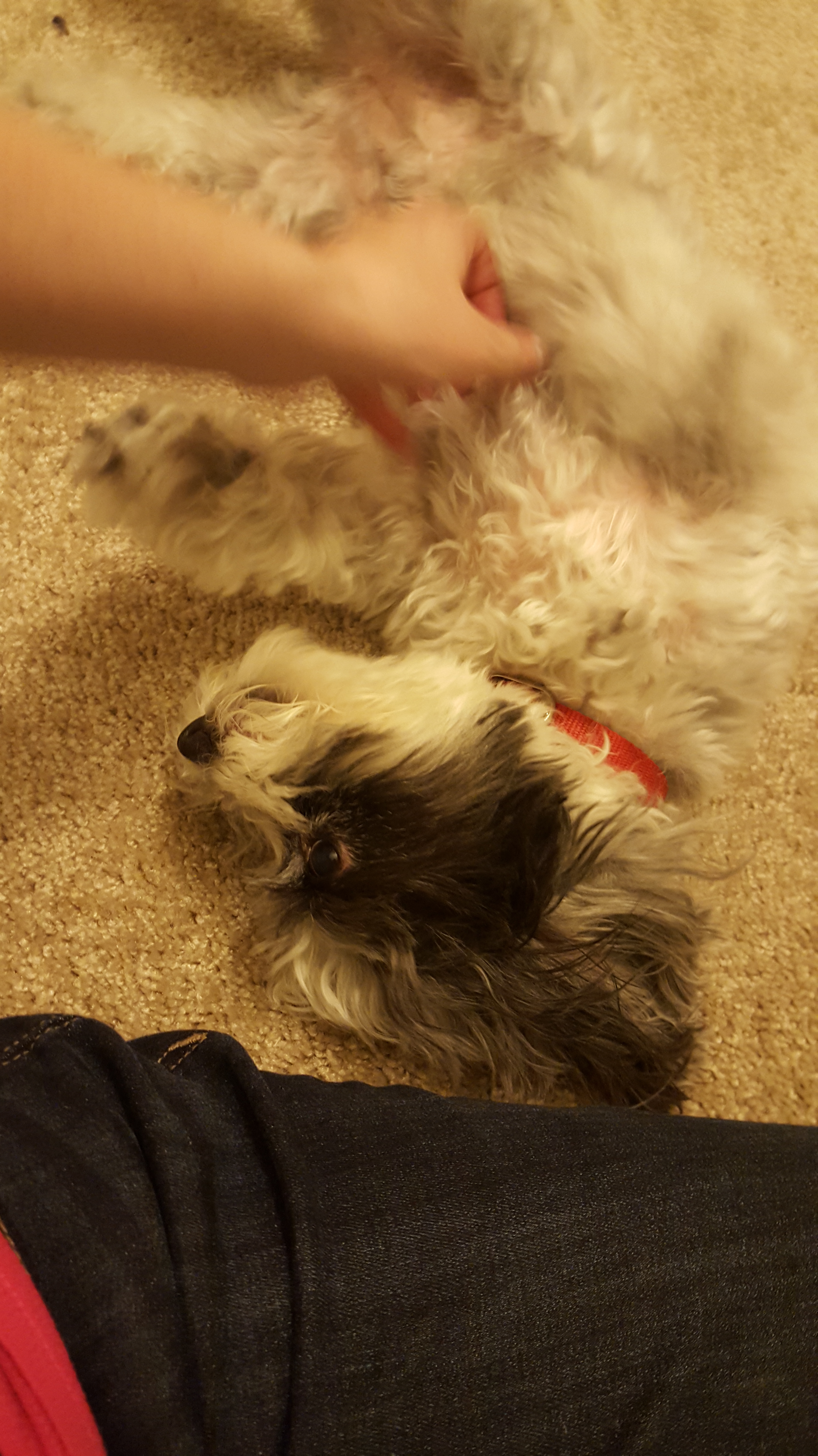
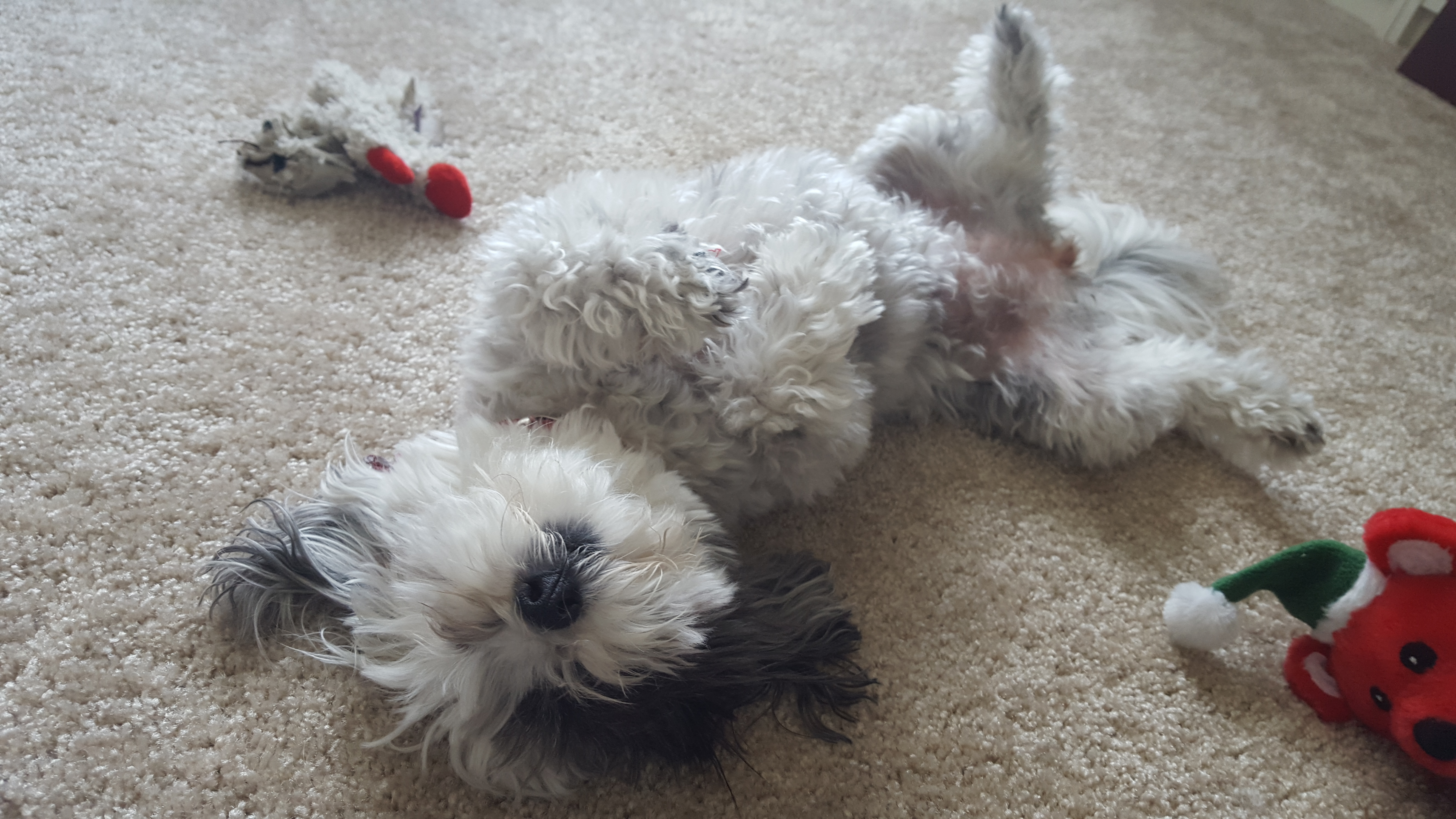
Nala and I share so many little moments of joy. Our daily walk. The twice-a-day celebration of her receiving her dog food. The wagging inspired by homecoming. The leap into the lap when I am feeling sad or stressed or otherwise upset. The careless flop onto the back, revealing the belly. The ridiculous way she runs up the stairs for absolutely no reason.

20150601_191853

I think of the list of things about my life that make me happy: my friends, writing, singing, dancing, reading, my apartment, delicious foods, travel, learning new things. It’s a great list. And Nala is at the very top of it.

20150611_185409


For me, Nala is home.

20150522_122433

20150522_122511

Read Full Post »

I get asked this question all the time: What is your blog about? Inevitably I flail about, stringing words into somewhat coherent sentences that may or may not have any actual meaning. Sometimes if I’m standing next to someone else who I know has read my blog, I ask them to answer the question instead. It is ultimately more entertaining to watch them flail about trying to explain my blog than it is to do it myself.

I know, I know, I’m terrible (or possibly simply hilarious). But really I keep hoping someone will have a good answer and I will learn something. This has, however, only happened one time, and then I promptly forgot the answer. I tried to get him to repeat it, but somehow it didn’t sound as good the second time, so I think he might have forgotten it too.

But given how much time and effort I give to this blog, it is high time I do my best to answer this question.

During my senior year of high school, a new class was offered by the Senior Honors English teacher Mr. Skinner. It was called Ways of Knowing, and it was an advanced class about philosophy. I didn’t take this class. I’d heard stories of how difficult a teacher Mr. Skinner was, and due to a turbulent home life, I’d barely gotten through my junior year of high school. In fact, I’d ended the year hospitalized for pneumonia. So I was past the point of caring about the philosophy class all the other smart kids were taking. I did, however, hear a lot about it during fourth period independent study AP French Literature, during which my two fellow students were always doing their Ways of Knowing homework while I…read French literature.

When I think about what my blog is about, I often think about this Ways of Knowing class. I wouldn’t say this blog is about ways of knowing. But I would say this blog is about Ways of Living. And these two ideas are linked in my mind.

Nala's Way of Living

Nala’s Way of Living

It has been the work of my life thus far to study and consider Ways of Living, and the roots of this driving interest go back to that time in high school, and even further back. Knowing things is all very well and good, and I was always a curious student, but what I most wanted to know, surrounded by misery as I felt myself to be at that time, was how to live. How to be happy. How to be fulfilled. How to be an artist. And in a world that didn’t seem to value art. How to create connection even though circumstances had left me completely isolated. How to deal with emotions that arose from extreme situations beyond my control. How to deal with that lack of control. How to create meaning, to live it, in a chaotic world.

This is what I write about.

As I got older, I added some interests. How social structures contribute (and sometimes detract from) ways of living. How personal identity plays into both larger structures and personal interactions. The intersections between technology and society and how we live or can potentially choose to live in the future. The question of expression. How the past, and memory, coalesce into identity and how to work with that. The lessons of narrative. How to initiate (and survive) transformation.

This is what I write about.

And always people. When I escaped to college, I began asking questions. So many questions. Here are things I always want to know: Are you happy? Why or why not? What are you afraid of? What gives you joy? Who and what do you care about? What are you looking for? How do you create your own personal meaning? How do you deal with suffering? What do you say you want, and how is that related to what you actually want? How are you connected with the outside world? Who are your friends, your families, your communities, and what do these relationships look like? What did you used to wish you would be doing as an adult, and how do you feel about that now? What is your relationship to work? What is your relationship to the past? How do you see the world? Who do you think you are?

This is what I think about. This is what I write about.

Ways of living. Yes.

This is what I want to know.

Read Full Post »

I like to tell people that one of the most important parts of being a writer is learning how to deal with the emotional baggage of writing, whatever your particular flavor of that is. And part of doing this, for me, is protecting the mental space I need to write.

This protection has been an interesting shift. Certainly when I was a music teacher, there was no need for me to defend certain mental and emotional territory in order to be an effective teacher. But writing is different. It’s tricksy. And the longer I write, the more I recognize how important it is to have boundaries in place that hold a space where I can be productive.

Focus. Photo Credit: Rein -e- Art via Compfight cc

Focus. Photo Credit: Rein -e- Art via Compfight cc

And the more adamant I become about maintaining those boundaries. If I recognize that something (or someone) is having a negative effect on my writing, ameliorating that effect jumps to the very top of my list of priorities.

For me, this manifests in several different ways:

Time. I guard my weekday daytimes with my life. What are those times for? My work. Also some life maintenance. What are those times rarely for? Lots of socializing. Granted, sometimes I have a lull in work and I have a little more spare time during the day, but when I agree to spend time with someone during the day on a weekday, that usually means I’m making them a massive priority. And I don’t do it all that often.

Explaining Writing to Me. When someone, usually a non-writer someone, decides to explain writing to me, whether it be the craft, the process, or the business, I pretty much never want to talk to them about writing again. This can sometimes put a damper on things since I care more about writing than almost anything else.

Dating. If I am dating someone and I start to feel badly about writing because of my interactions with them, I stop dating them. End of story. This is often because they want to explain writing to me (in spite of the fact that most of them are not writers and I haven’t asked for advice or feedback). Sometimes it is because they don’t think writing is valuable, or they want to tell me how some other medium is more valuable. (Like games. Don’t get me wrong, I think games can do interesting narrative things, but, um, I don’t write games so I don’t really want to talk about how they’re better.) Or we have different expectations of how my writing career should go, and then I get really stressed out even though I’m meeting all my goals and deadlines. Or they’re not even remotely interested in my writing, which is fine for a while but ultimately kind of limiting.

Talking about Writing. I tend to be somewhat careful about with whom I will seriously talk about my writing. This is one reason I find it extremely valuable to have trusted writer friends. The thing is, there are many things about writing that a person might not automatically know or understand. Like what the common emotional experience is (rejection is constant, occasional discouragement is par for the course), or what the timeframe is (sloooooow), or how the business works, or what the actual interesting parts of it are. And while I don’t think people should automatically know these things, I do find they often leap to conclusions and are more interested in telling me stuff or sharing unrealistic expectations than in learning how all these things actually work. And managing these responses takes emotional energy that, quite honestly, I’d rather spend elsewhere.

Here’s the thing about being a writer, at least for me. I have to maintain a paradoxical belief in myself and my ability to create. Paradoxical because writing typically requires a long apprenticeship that involves a great deal of rejection and failure and learning and experimentation. And no one can chart a course through that morass except me. I sit alone for long stretches of time, working on projects that are sometimes emotionally taxing to create and which no one sees for months. NO ONE. And then when someone does see it, it is for the purpose of tearing it apart so I can make it again, better. And then there’s a cycle of rejection that typically also takes a long time. Rinse and repeat. And once you get published, you’re exposed to market pressures and more criticism of your work.

In the face of all of this, a writer must hold fast to the belief that what they’re doing is worthwhile and possible. That they will improve. That someday the rejection will turn into the acceptance. That they have something to say. That their work matters.

This is not always easy. Actually, it is usually not easy. Hence the boundaries. It’s hard enough to write without dealing with other people’s baggage around it. And having a clean and safe mental space in which to do the work is invaluable and indispensable.

Of course, protecting this mental workspace is one of the things writers need to learn how to do during their apprenticeships. And over time, I’ve found it has gotten easier as I have gotten clearer.

I need these boundaries in order to write. It’s that simple.

Read Full Post »

I spend a lot of time feeling relieved.

For me, relief goes hand in hand with gratitude, so I also spend a lot of time feeling almost absurdly grateful.

I had an ex once who didn’t like it if I said anything about how lucky something was. I think he saw it as tempting fate, that if we spoke about the good things in our lives, that would somehow make them go away. I began to feel the same way, like my noticing and appreciating would be what caused something to be taken from me, snatched so rapidly it would be gone before I realized it. It wasn’t a stretch for me, this attitude, raised in constant vigilance watching for the other shoe to drop, waiting for the next crisis to hit.

But I don’t actually believe in that. I don’t think me noticing goodness, feeling grateful and lucky, means I’m more likely to lose. I think a lot of bad things that happen are kind of random, or else they’re due to choices like being a smoker or spending a lot of time driving too fast or eating nitrates, which I guess increases your risk of getting pancreas cancer. But I don’t think bad things happen because we don’t take the good ones for granted.

As for my vigilance, it’s still present. I can feel it scanning my life the way my laptop looks for a wifi connection. And it doesn’t find anything.

And it doesn’t find anything.

And it doesn’t find anything.

And I am so fucking relieved I don’t even know how to put it into words. It suffuses me until I feel almost giddy.

And my relief turns to gratitude turns to happiness because I don’t take the simplest things for granted.

Sometimes I sit on my couch at night, and I’m reading, and I’m texting, and I’m maybe watching a show. It is quiet. I feel peace steal into my heart, and then I go upstairs to bed, and it’s all simple, so completely un-noteworthy. And I am so happy about all of it. Because everything is okay, and there are no crises I have to deal with, and I can just … be.

Space

Space

I am so happy about dancing, I often don’t want to shut up about it. I stay up too late. My enthusiasm is written plain on my face and body for anyone to see. And I want to take you all by the hand, one by one, and I want to say, “Don’t you see!” Because I couldn’t dance at all–AT ALL-for years. My ankle, my knees, my back, my neck, my body was as twisted up in knots as my life was. And I couldn’t dance, and I couldn’t even afford to think about dancing because the grief would have been too much for me.

And now I get to dance every week, sometimes more, and it feels like an honest-to-God miracle. My bodyworker/trainer hugged me after our session today because he knows. He’s been working with me for five years. He says he’s never seen someone’s body turn around the way mine has. I am so relieved I want to curl up in the corner and bawl my eyes out. I’m so grateful I can hardly contain it.

It’s as if I spent my entire life living in one of those dystopic environments–Robert Silverberg’s city tower or Sondheim’s department store or Ray Bradbury’s Venus–and I’ve finally made it outside. I feel the sun warm my face, and the air tastes like fresh cold water, and everything smells like baked bread and honey. And I’m still in awe that this is even a place that exists, let alone that I get to be here.

I spend a lot of time feeling relieved. I spend more time in simple appreciation.

Read Full Post »

“I can’t imagine you being angry,” he says to me as we dance. He pushes his palm towards me, and I turn–or do I spin? I think I spin, the soles of my dancing shoes slippery enough to make it easy. I can’t imagine a person who never gets angry.

I can’t imagine this version of myself.

“I can’t imagine you being angry.” It is someone else this time, many months ago, I can no longer remember who, but I remember it was a man–a writer, I think–and I remember feeling the same bafflement.

What do people think, when they think of me? I imagine they think of me with charm pushed to maximum, my smile lighting up not only my face but my entire presence, as I interweave through a complex dance of conversation and introductions and “yes, I know so-and-so” and gaze intently while someone speaks and then throw back my head and laugh. This is maybe the person we cannot imagine being angry.

This is maybe the person we imagine being too much. “I think maybe you’d be too much for me,” he tells me, unprompted. I wonder why he is telling me this, but he does, and I consider it some time before rejecting it.

“I thought maybe you’d be too much.” A different person, about three months later, and the echo makes me take it more seriously this time.

What is too much? My full dazzle social mode? The social skills I spent huge amounts of energy building up once I was surprised to discover I needed them to be a writer? The skills I built up so I’d no longer be so isolated, so I’d no longer fade into the wallpaper, so I’d no longer keep all my thoughts to myself? So that I could walk into my fourth social gathering of strangers in twenty-four hours and speak with a smile about science fictional ideas instead of wilting in on myself and wishing I were somewhere else?

Or, since it is this year, is it the unbridled joy that is too much? I would have thought if I were to be too much, it would be the dark sides of myself, but those haven’t been on display to color these people’s impressions of me. Other things not on display: Many of my emotions. Many of my thoughts. The price I paid back in my days of invisibility. The price I pay to be too much. How after social gymnastics practice, I crash on the couch or on the bed, drained in a way that leaves me feeling empty of words, sometimes even empty of thought.

If I have to suffer through that same conversation one more time, I think to myself, well…I don’t know what.

I inevitably have that conversation again.

They do not see me stride deliberately to the end of the beach, away from the crowd and the lights but just in range of the music. I dance by myself with the waves.

I ask her, “Do you think I’m an extrovert?” She is an extrovert herself, and she does not think I am. “You get really quiet when you’re in a group,” she says.

Except when I don’t. Except when I am very chatty. Except when I accept, mulling through these diverse opinions, that I am a multi-dimensional person.

I said to myself, I want to shine bright bright bright. I said it over and over, through the difficult autumn and into the winter, and I wonder now if that is what you see?

But let’s go back to the summer of 2013, two years ago now, and she says to me, “You’ve lost weight. It was like you were hiding behind it.”

And I thought to myself, hiding? Was that what I was doing? Because at the time I felt like I was shrinking, disappearing, becoming smaller, less than. The weight was mysterious and fickle in its passage.

In retrospect, of course that’s how I felt. Because my old self was disappearing as the new one was being reborn. And it hurt, oh how it hurt, and watching the old self fade away was frightening. And watching the new one emerge, well: Would it be enough? I wasn’t so sure.

Fast forward to a few weeks ago, soon after I’d been horribly ill. “You’ve lost some more weight, haven’t you?” my friend asks. He is concerned. He wants to feed me pie. I am relieved that in our culture of thin-worship and body hatred, someone else has noticed that maybe me becoming this thin because I was really sick isn’t actually a good thing. I want to be fed pie.

And I remember then what she said about me hiding behind the weight. I guess I’m not hiding anything anymore. Instead I’m trying to keep eating, eating, eating, to get back to a healthier weight. But it turns out I’m as challenged at deliberately gaining weight as I was at deliberately losing it. My body does as it pleases.

The reason this is relevant, my body–which I don’t like to talk about because I don’t want any of you to feel comfortable commenting on it–the reason my body is relevant is that we place a lot of emphasis on what we can physically see, us humans. It is so easy for my body to become how you see me. I deliberately try not to cross my arms in front of me because I know it matters.

Too much, not enough, I couldn’t tell you. Once upon a time this was the three bears’ house, and you were Goldilocks, but that’s not the way I run things anymore.

As I accumulate experience, I realize more and more how little the way you see me relates to the reality of who I am.

20150215_230425

Read Full Post »

At the end of last week’s piece on being single, I said I’d tell you my least favorite part of being single this week. I added that in later on after I was done writing the piece. I didn’t want to sound smug, or like I was dismissing the difficulties of being single. Because while I have had many positive things come out of being single, it also brings its challenges and can be something of a roller coaster. In a society that values coupledom so highly, the benefits of being single come with a price tag.

I could talk about stability, perhaps, or partnership. I could talk about not having to think about who you’re going to invite to that wedding next month. I could talk about my feelings about dating and how much I sometimes really dislike it.

But what I’m going to talk about is intimacy. The intimacy of sharing a history together. The intimacy of trust. The intimacy of proximity and regular contact. The intimacy of being known, of folding back the layers one by one until you’ve allowed another person to see as deeply inside yourself as anyone else will ever see.

Yes, sometimes I’m a really sappy romantic.

Here’s something I wrote to a friend a few years ago, when newly single:

“And while I’m having all these ideas and thoughts and out doing things and meeting people and working on my book, there’s no longer one person who basically knows all of it, who hears all my stories and my opinions and what I’m thinking about and everything. Except me, of course.”

And this continues to be true today. It’s not that I don’t have people with whom I am close, or that I can’t find someone with whom to talk about any subject of my choosing. But the comprehensiveness is not there, and the regularity is not there. You might, for example, know all about my recent thoughts about writing but since we’ve never talked about the past, you have no idea where I’ve come from. Maybe we’ll communicate several times this week, and maybe we won’t communicate much at all. Who can tell? This is often the nature of friendship, and it’s not a bad thing. It’s just…not the same.

So yes, I miss the easy intimacy of not having to fill someone in on the details of events that happened two weeks ago, or two months ago, or two years ago. I miss no longer having to navigate through so many vast expanses of unknowns when relating to another person. I miss the kind of comfort and honesty that only comes with familiarity and trust. I miss knowing someone so well, and I miss being so well known.

This also further elucidates why I think asking questions is so important. How else can you move toward this kind of understanding? A friend of mine told me she was speaking to a potential date on the phone soon after she’d read this post, and when he didn’t ask her any questions, her desire to meet him plummeted. After awhile it’s hard not to notice this kind of thing because the relationship that results from it is inherently somewhat static. Intimacy doesn’t spontaneously arise from a date every Saturday night, or even from a physical relationship. It must be built, with care and interest and over time. And not everyone is interested in building it.

There are nights when I feel lonely. It’s always nighttime, usually late. The apartment is quiet and mostly dark. Nala is sprawled out in deep sleep on her maroon pillow in the music room. Sometimes this is peaceful and relaxing, but other times, I feel a little sad. I want to talk about what happened today. I want to curl up and watch TNG with someone. I want to share a smile that means, “Look, here we are together, and isn’t that wonderful?”

Late at night....

Late at night….

But happiness, they say, comes from within. And so I remind myself, even though I don’t have everything I want (and who does?), my life is pretty damned good. And that is enough.

Read Full Post »

There are so many words I have not said.

There is a graveyard of words I store somewhere in the space that encompasses me, buried several corpses deep. Words I couldn’t say. Words I should have said but didn’t. Words that risk and words that respect and words that choke in a throat habituated to silence.

Photo Credit: macieklew via Compfight cc

Photo Credit: macieklew via Compfight cc

I think these words I do not say. Sometimes I think them over and over again. I think about their vulnerability. I think about what they’re in response to. I think, “Is this person insensitive? Am I too sensitive? We’re acting like everything is fine and normal. Are this other person’s words and actions actually fine and normal? Would most people not have the reaction I’m having?”

It’s so easy to forget that at a certain point, those questions lose their significance. This is not about labels. This is not about unwinding the precise reasons, the why’s and the chain of events and the correct place to lay the blame.

Blame doesn’t repair anything.

No, this is about hurt. It is about swallowing it down and hoping I can hide it in a dark enough place it will almost be as if it never existed. It is about refusing to shatter the peaceful object that can be the two of us. It’s the fear of leaving the painful limbo for something worse. Maybe even someplace where you and I no longer exist as you and I.

It keeps you a few football fields at least from where I stand. Maybe with you way over there I’ll feel better. Maybe if I don’t tell you about the hurt, I can prevent it from growing if you ignore what I have to say.

It doesn’t work.

And so I think about transformation. What is the alchemy of turning the hurt into something like self-love? Let me test and tinker, let me write down a precise script of process and ingredients, let me join the ranks of the masters who have already perfected this art.

The question becomes not “Why am I like this?” or “How can I not be like this?” but rather “I am like this, so knowing that is true, how can I best be happy and cared for?”

The response becomes not “Swallow it down, and pretend it never happened” but rather “Let’s talk about this hurt and see how you and I can communicate.”

And if that communication is unfortunate and the hurt is not acknowledged? Especially if this is a pattern of interaction or a newer connection? The response becomes not “What’s wrong with me?” but rather “Perhaps I don’t want to spend much time with this person in future.”

Which, of course, can sometimes hurt like hell, but it’s the pain of the Band-Aid being ripped off. The wound was already there.

Meanwhile, I don’t want you to know who I am. My words reveal me. They let you know I am not a statue of joy and granite but a human of flesh and bone, tears and sweat, idiosyncrasies and flaws.

The whisper inside becomes not “I will never be perfect” but rather “I am enough.”

I believe it is better for the words to be spoken. It is only then we can learn each other.

Read Full Post »

On Being Single

By now we’ve talked about several aspects of dating here on the blog, but I want to talk about something different.

I want to talk about being single.

This period of my life marks the longest time I’ve been single since…well, probably college. I’m also probably the happiest I’ve been in my adult life. I see a lot of portrayals of being single in the media that dwell on the negative aspects (which do exist, of course), and I also know a lot of people personally who are fairly unhappy about being single. But that’s not the only facet of the experience.

A portrait of the artist as a single person.

A portrait of the artist as a single person.

What I like the best about being single is the space. And I’m not talking about the space in my closet (although that’s pretty great too), but of the space to live. I love being me, being Amy, and not being in reference to anyone else. It is during this time of being single, more than any other time that came before it, that I’ve been able to truly get to know myself.

When I was first single after my longest relationship, I spent a huge number of hours simply sitting, in the same chair I’m typing in right now. I was devastated, of course, and I would just sit there in the living room, the ridiculously fancy living room with the domed ceiling and the rich hardwood floor, and I’d stare off into space, or at the perfect white columns in the foyer, or at the iron curlicues of the bannister. Everything was changing, in chaos, soon this wouldn’t be my home anymore, but at the same time, I could breathe. I could really breathe. And I could sit there with myself and exist in a certain kind of peace.

And so I sat there. A lot. Sometimes crying, sometimes meditating, but mostly just sitting. Nala lay in her bed beside me, the refrigerator hummed stoically, and I didn’t have to think about anyone else. No one else would be judging me for sitting there, no one else would be worrying about me sitting there, no one would interrupt the pristine silence, and I had the time and space to begin to piece myself back together.

It was an awful time, but it was also a beautiful time.

And that is what being single is like for me. I do what I want when I want. Plenty of people are happy to give me their advice and opinions if I want them, but I don’t have to check with anyone before I make decisions. I don’t have to apologize for what I want, or what I eat, or even often when I make mistakes, because the mistakes I make often only affect me, and I’m totally okay with myself making mistakes. And if I suddenly decide I want to start dancing a whole bunch, it’s so simple to make the shift.

I used to be afraid to be alone, but now I’m mostly not. Surrounded with friends as I am, I have never been less alone in my life. And that has given me the space to learn what it’s like to be myself without restraint, without pleasing, without compromising to the point that I’m squeezing up in a small corner of what my life could be.

I’m not saying that all relationships don’t allow this kind of space. But I do think for those of us who never got to have this space, it can be easy for us to fall into relationships that are like what we have known before. And so this time to get to know what a spacious life feels like has been invaluable to me.

Our culture tells us we need a romantic relationship to be happy. But really, we need to learn to be happy on our own terms, relationship or no relationship. A relationship will never be enough to fill whatever void lives inside of us; we can learn to fill that void ourselves, or we can make our peace with that void, but no one else can truly touch it, only plaster themselves over the top of it like a cheap Band-Aid.

I decided earlier this year to make my life as amazing as possible, and it worked better than I thought it would, to be honest. So now here is what I look for when I date: I look for someone who will make my life even more amazing than it already is.

It’s not a low bar, but I think it’s a good bar. And it’s only because I’m comfortable being single that I’m able to have it.

So what is my least favorite part of being single? I’ll tell you all about it next week.

Read Full Post »

« Newer Posts - Older Posts »