Feeds:
Posts
Comments

What Makes a Home

Between the time I moved out of my childhood home to go to college when I was eighteen and when my husband and I bought and moved into my current house, I lived in eleven different places, with a few short stops at two of my dad’s houses along the way (summers and the transitional period post-living abroad).  Eleven different homes in twelve years.

I began thinking about what makes a home for me when I read Theodora Goss’s interesting essay entitled The Idea of Home.  I’ve had the opposite experience from her, in that in spite of all that moving (and don’t get me started on how much I abhor moving), I rarely felt homeless or like I was searching for a home.  I was searching for something, that’s for sure, but home wasn’t it.  I settled fairly easily into each new apartment, creating my own special retreat from the world.

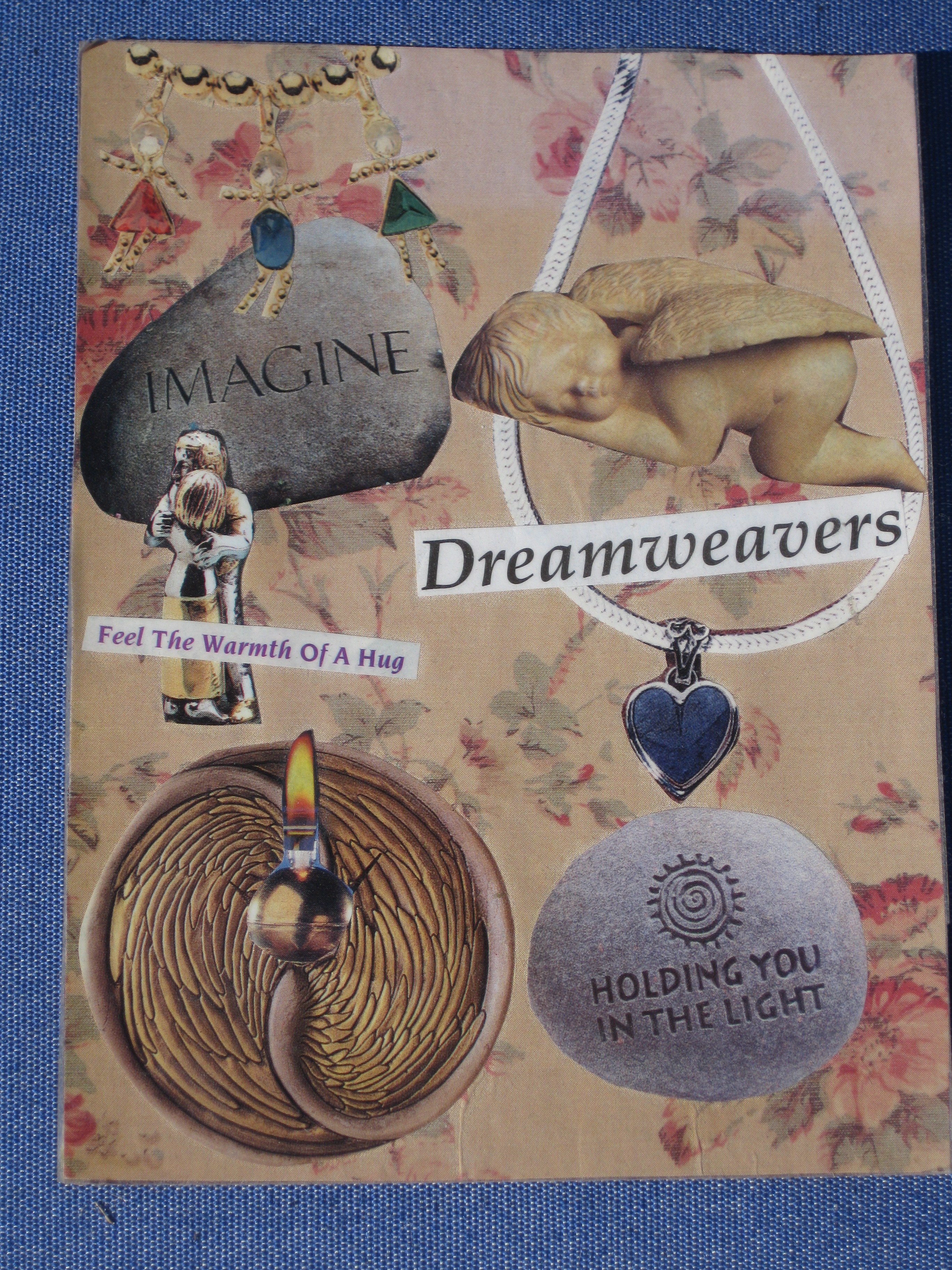
I remember worrying about not having a home, though.  It must have been soon after I left for college, and I realized I had left my childhood home behind more or less for good (I spent my entire childhood in the same house).  Due to my artistic and traveling tendencies, I thought it was quite possible I’d be spending a lot of time either moving or on the road.  So I asked my mom to make me something that would symbolize home for me, something portable that I could carry with me wherever I went.

Here is the collage she created for me:
Home

Home, by Carol Sundberg

So what does home represent?  Warmth, love, safety, comfort.  A place to let your mind spread out and dream.  A place where you can be completely yourself.

I don’t know when I realized that if I could achieve those ideas, any space became home.  Perhaps it was because I had no choice about looking back.  My old home gradually disintegrated: my mom, who embodied home more for me than anything or anyone else, died; the childhood house was sold; most of my old things were sold or donated or thrown away, a few of which I still regret ten years later; my dog died.  When I would say, “I want to go home,” I would still mean it, but I had no idea what I was even talking about.

And yet the idea of home has always been important to me, so I did what I could to create new homes wherever I went.  Home was a room where I could close the door and be alone.  Home was a place with my favorite books and either a piano keyboard or full-fledged piano.  Home was tea and toast and ice cream always in the freezer.  Home was where I could acknowledge to myself exactly who I was and how I felt.  Home was where my memories lived.

In every place I lived, I found something to love.  Often it was the trees outside my window, pine or redwood, or a distant corner of the sea visible if I stood on tip-toe.  It was the cats who lived there, or the ramshackle hodgepodge of books and papers, or the mismatched furniture.  It was the large expanses of empty carpeting, the guitar leaning on the wall, my warm green woolen blanket.  It was the roses growing out front, or the acoustics in the family room, or the colors of the walls.

Home was the lingering remains of my mom’s hugs, the ones that told me better than anything else that things were going to be okay.

Home is still all those things, and now it is also my husband and my little dog.  Home, for me, isn’t so much a physical place as a place inside of me, a feeling to which I try to give physical manifestation.  It’s comforting to know that I carry the seed of home wherever I go.

Yom Kippur begins at sundown tomorrow.  I don’t have an intimate viewpoint on this holiday, not being Jewish myself and having never attended synagogue on this High Holiday.  I’m pretty far from being an expert, so what I’m offering is an outsider’s perspective on what this holiday has come to mean to me.

For years, all I knew about Yom Kippur was that it was a name on the calendar.  When I first learned a little more about it, I didn’t get it at all.  Fasting all day, droning in a foreign language, lots of tears and catharsis.  It was so different from any other holiday I knew about, I even found it a touch creepy.  As the years have gone by, however, my feelings have undergone a profound shift.  While I don’t celebrate it myself, I love this holiday and what it stands for.  It is also known as the Day of Atonement, and I have deep respect for a religion that has set aside an entire day for this type of introspection.

Where have I gone wrong this past year?  Who have I knowingly or perhaps unknowingly injured?  What could I have handled more skillfully?  To me, this process of reviewing the mistakes and hurts of the past year (whether intentional or not, avoidable or not) celebrates what it is to be human.  We all make mistakes, we all handle things badly, we all say things we shouldn’t have said, or leave things unsaid that we shouldn’t have.  We forget or unable to keep important promises; we tell lies, perhaps to avoid even greater conflict; we don’t have the time or energy or capability to be there the way we wish we could.  We make other people cry; we lose friends through change, neglect, or direct confrontation; we make the wrong decision.  And here’s this holiday that acknowledges this reality we live with, that says: Yes, it’s true, none of us is perfect, and yet we can always strive to improve ourselves, to move on and do better next time.

The way I see it, the process of atonement has three steps.

Step 1: Be aware of your effect on the world. Think about the actions you have taken, the mistakes you have made, how you’ve treated other people.  Reflect on questions of morality.  Remember those times you let your emotions get the better of you.

Step 2: Feel the emotions associated with your actions, and then forgive yourself and let go. This is a hard step, and a critical one.  Atonement isn’t about self-hatred; that will only make your behavior worse over time, not to mention erode at your happiness and well-being.  Atonement is taking responsibility for yourself and your choices, while remembering that you are human and imperfect.  By the end of Yom Kippur, a practicing Jew is considered to be absolved by God.  However, if you don’t believe in a God to be absolved by, you need to find the strength to forgive yourself instead.

Step 3: Learn from your previous behavior and mistakes. Having taken the time to introspect so deeply about your behavior, you can move through life with a cleaner slate.  Not a blank one, of course, but at least a less messy one.  Take the time to think of possible solutions for some of your mistakes.  Sometimes there won’t be a solution, and that’s okay too, but at least you’ll know one way or the other.  Think of how you can become more like the ideal person you wish you were.  Will you ever really become that person?  Perhaps not, but I like to think that throughout life, we draw ever closer to realizing our full potential, as long as we have the willingness to learn from our experience.

I love Yom Kippur because it’s a formalized ritual that helps people go through these steps with the full support of a community behind them.  It means they don’t have to face their faults and shortcomings alone, but can remember that everyone else is in the same boat.

So whether you’re Jewish or not, whether you’re religious or not, I hope that’s what you take away from this post.  We all make mistakes, and it’s important to be aware of them and learn from them.  But we’re also all in this soup of humanity together, capable of learning from what has passed before.

As Anne in L.M. Montgomerie’s Anne of Green Gables says, “Isn’t it nice to think that tomorrow is a new day with no mistakes in it yet?”

I am the semi-satisfied owner of a Kindle (semi-satisfied because the DRM still creeps me out) and in general, I’m a fan of electronic books.  I’m also a fan of hardbacks, mass paperbacks, trade paperbacks, super deluxe special editions… basically I’m an all-around kind of book fan.

But I do have one worry about electronic books that no one ever seems to talk about: what possible disastrous effect will electronic books have on the store of human knowledge, art, and entertainment in the event of an apocalypse?

I know this is illogical.  I know that books printed on paper are vulnerable to all kinds of destruction: fire, flood, crumbling to pieces due to old age, complete inaccessibility due to building collapse, toxic waste, control of written material by a tyrannical minority, etc.  So electronic books don’t have the monopoly on tragic loss.  But still, think of the possibilities.

First, on a personal level.  If you were living through a Lost scenario (plane crash onto isolated island, no rescue in sight), your e-reader would die within … a couple weeks, maybe?  If you were lucky and it didn’t suffer unfixable damage.  Wouldn’t you rather have a few paperbacks that would last your entire exile?  Not only could you read those books again and again (and out loud to your fellow strandees as well), if you had a pen, you could write *new* stories in the margins and end pages, thereby giving you more reading material.

Or what if the power was off in your house for a week or more?  (This actually happens in real life even without an apocalypse.)  And let’s say you’ve been lazy about keeping your e-reader up to full power (this also actually happens in real life).  So once it gets dark, you decide to read with your flashlight, since you can’t watch movies or TV, you can’t play piano because it’s too hard to read the sheet music in the dark, you can’t call anyone because your cell phone is running out of charge and you’re preserving it for an emergency.  But then you can’t read either because your Kindle is dead!  Meaning you’ll have to find a coffee shop that allows you to mooch off power (or hope the power isn’t off at your office as well, if you are fortunate enough to have one of those).  Or you’ll be stuck whispering ghost stories in the dark.

Or what if, twenty years from now, Amazon goes out of business?  And what if there are problems, possibly due to the stupid DRM, with porting your library, now possibly numbering in the thousands of titles (definitely at least hundreds), over to whatever alternate e-reader is dominant at the time?  (If there is an alternate and Amazon doesn’t go under in a general economic collapse.)  You may scoff and say how unlikely this is, but having just read Ted Chiang’s The Lifecycle of Software Objects (which I highly recommend even if I think it should have been a novel instead of a novella), you never know.  (Note: this is especially true if you are the kind of person who daydreams about apocalypses.)  After all, what good do all those old 5.25 floppy disk backups do me today?  I can’t look at any of my old papers or stories for reference anymore unless I happen to locate a hard copy.

Now, expand out to a societal level.  My favorite apocalypses to ponder these days are generally related to global warming and/or running out of oil and/or some political excitement.


A retreating glacier

(Sorry, I don’t do zombies.)  Now, if I’m feeling optimistic about these scenarios, I can hope that by the time trouble strikes, solar power has become more widespread (or wind, or water) or some other practical energy source has been developed.  But will the infrastructure be in place so there isn’t even a blip when switching over the electricity grid?  Will there be enough electricity all the time so people can spare the amount it takes to charge an e-reader instead of, say, run lab or farming equipment or a water heater or power a hospital?  Now if you owned physical books, on the other hand, your only problem would be lack of time in daylight to read them, and if you could figure out how to make candles, well then, problem solved.  (Now an e-book with built in solar energy panels could be cool, but what if the panels break?  Would spare parts be available?  Would I have or be able to purchase the expertise to use said spare parts?)

Whenever I plan my ideal supplies for surviving post-apocalypse, I always include as many reference books as possible (unless, of course, I have to be mobile in said apocalypse world, which severely limits the books you can carry).  There are so many basic things that modern life has left me unprepared to face: making candles is a great example.  Making soap, medical and first aid techniques, mechanical crash courses for as many devices as possible, farming and gardening, how to gut a fish or deal with a live chicken if I want to eat it.  The knowledge I don’t have that would be necessary for survival goes on and on.  Maybe I’ll be lucky and live in a community with experts on various of these topics, but what if I don’t?  I’ll have to rely on the reference books.

And I’m not even getting into the dream of preserving human knowledge and art (Shakespeare, anyone?) for future generations.

What this all boils down to is that I’m unlikely to give up my physical library any time soon.  Call me old-fashioned in ten years or twenty, and I’ll probably cheerfully agree with you.  But if the apocalypse comes, I’ll have the last laugh.

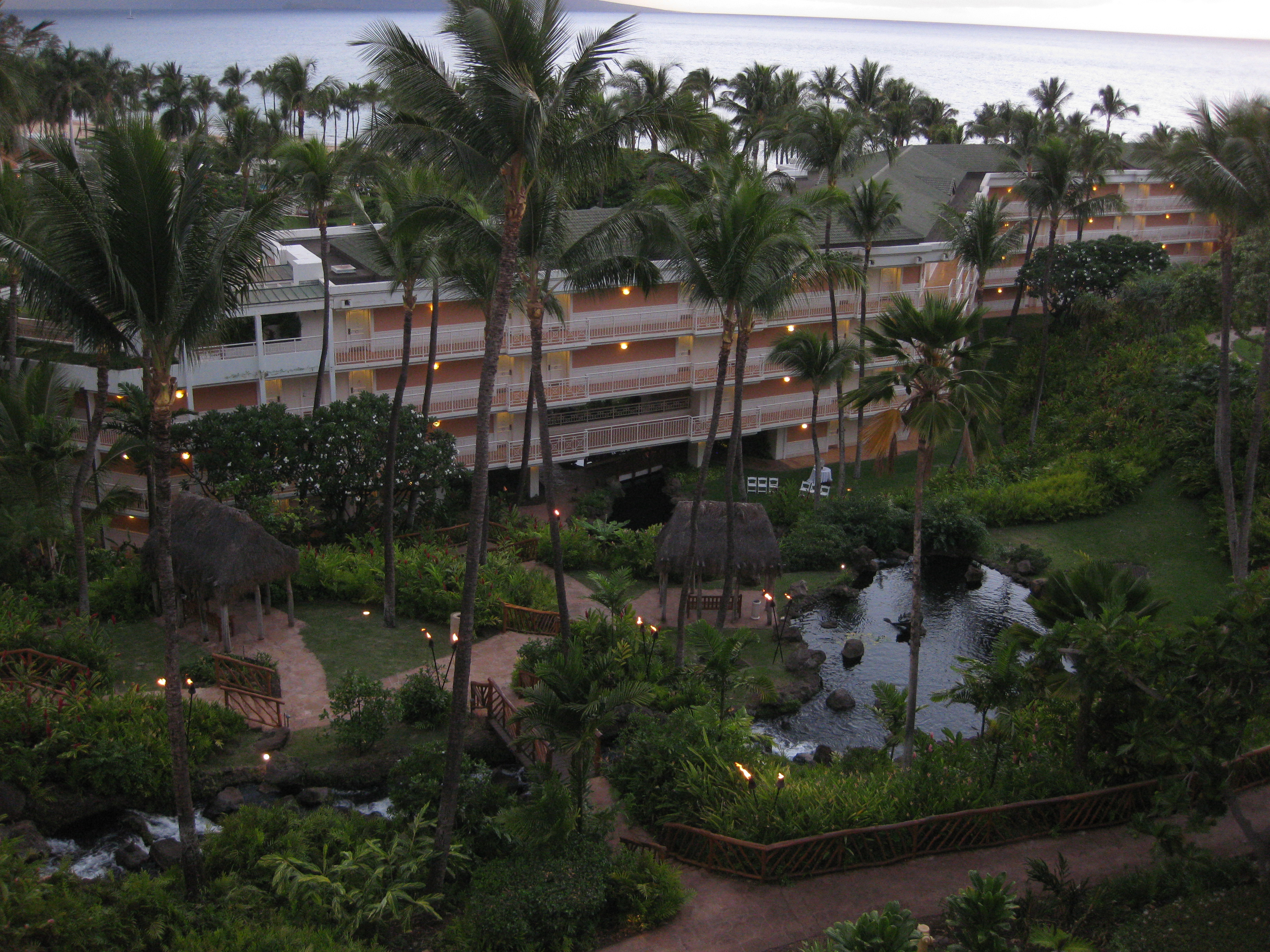
Yes, folks, I’m safely back and well rested, if still a touch prone to hobbling around due to a tender ankle.  Maui was lovely, as it always seems to be, and we managed to have a few adventures in spite of my relative lack of mobility:

Beginning of trip

So happy to have made it through the labyrinth of airports all in one piece.

Resort

The resort: the view from our lanai.

Maui waterfall

Tropical waterfall

Maui ocean

Apparently this rock is in the beginning of one of the Jurassic Park films.  Who knew?

Dolphins

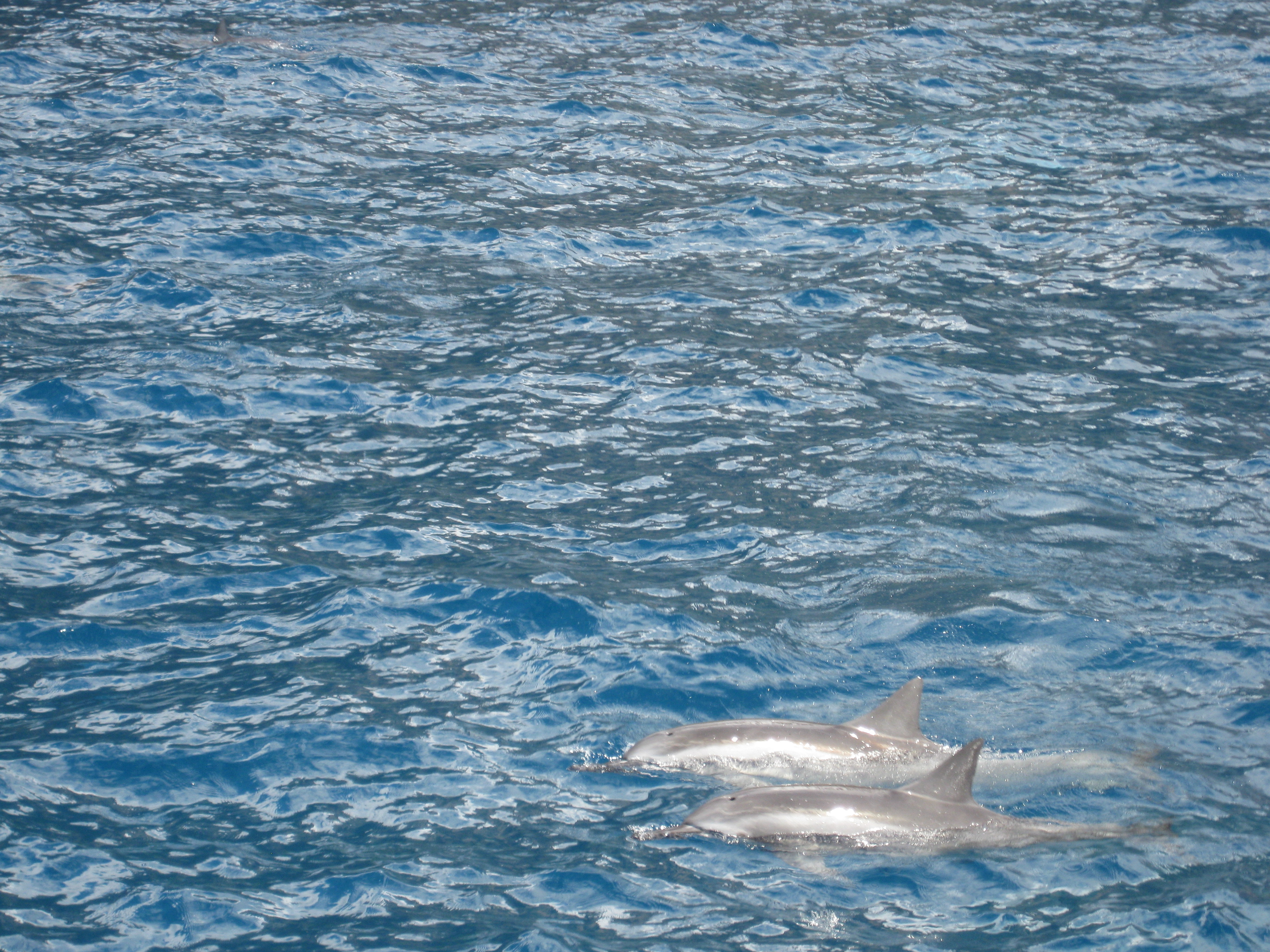
Dolphin watching trip!

Baby dolphin

See the little dolphin calf on the right?  Adorable.

Maui sunset

Sunset

Happy and relaxed at the end of the trip.

So there you have it, plus lots of great food and swimming (although not at the same time).

Tomorrow I’ll have a new post up about apocalypses that you already know you want to read, so I’ll see you then!

Brief Update

Just to let you all know, I’m actually NOT in England or Wales right now.  Nope, I’m lounging on my very own couch, as I have been doing for the past week or so.  Apparently my ankles had ideas of their own regarding my upcoming trip, and after waking up the day before my flight with a swollen bruised ankle that couldn’t take any weight, I rethought the entire trip and canceled it.

Don’t feel too sorry for me though.  I’ve been having a staycation while the ankle heals, and we’re leaving for Maui on Saturday.  So I’ll be swimming and going down water slides and eating too much and reading while listening to the ocean’s surf and getting fancy spa treatments and watching romantic sunsets with my husband.  Not too shabby, all things considered. 🙂

Vacation time!  This weekend I am getting on a plane and taking off for faraway places.  If I were an especially kind person, I would have arranged for guest bloggers in my absence, but alas, I am not as kind as all that.  It’s possible I might pop on with the occasional photo, but it is equally possible I will disappear off the internet sphere for a few weeks while I go off, rejuvenate, see some amazing sights, and have a great time.

In the meantime, here are some of the places I hope to be seeing:

Bath

Idyllic Cotswolds

Thornbury Castle

Mount Snowdon

My favorite city

Have fun while I’m away, and I’ll see you on the other side of Labor Day, if not before.

Cheers!

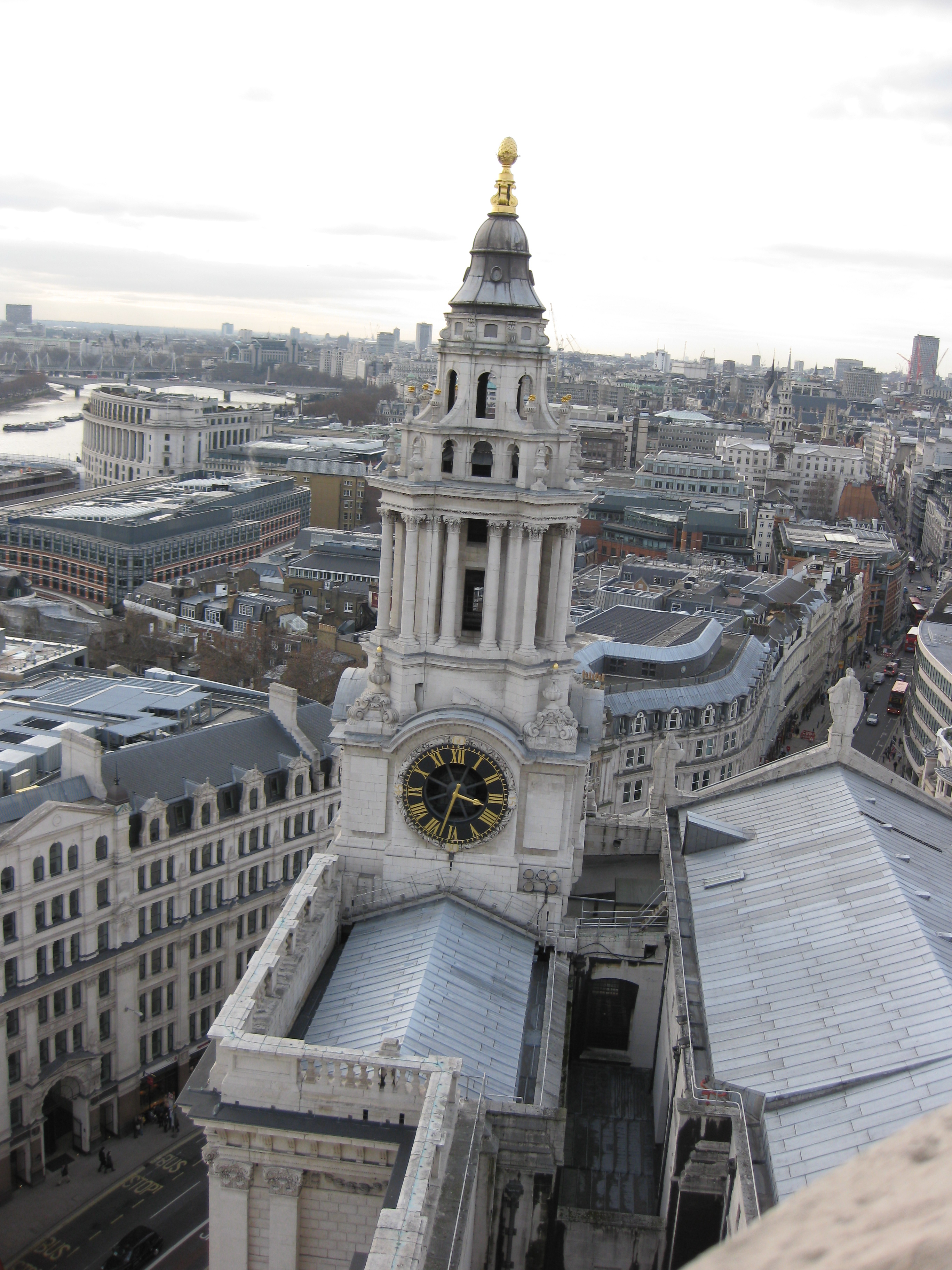
Once upon a time I lived in London, the United Kingdom.

Crouch End, London, UK

How did this happen?   I was twenty-two years old, I held a fresh-off-the-presses Bachelors of Arts degree in Music, and I needed to get out of Dodge, Dodge being pretty much anywhere in California.  What I wanted most of all was to live in the UK.

I planned my move for twelve months.  I found a program that would obtain a working visa for me (BUNAC) and I saved money for my plane ticket.  Through luck and family connections I stumbled into a prime house sitting gig in the little neighborhood of Crouch End, in northern London (Zone 3 on the Northern line, Zone 2 if I took a bus to Finsbury Park).

In London, I had many adventures, met many strange people, and obtained several jobs over the course of my time there.  Most importantly, I was living in a foreign country, which opened my mind and allowed me to discover who I was without all the external confusing trappings.

While I was living there, I was corresponding via e-mail with a friend of mine, telling him all about my new life and how much I loved living in London.  (And I did love living there.  It was a hard year for me, it’s true, but I never stopped adoring that city.)

His response?  He wrote something to the effect that my life, or in any case what I was choosing to do with my life by living in London, “wasn’t the way the world works.”

I have always remembered that e-mail, even though I received it over nine years ago.  It struck me as deeply profound.  Because of course, me being in London was exactly the way the world worked, because otherwise how could I be there in the first place?

It was profound because that sentence of his got right to the heart of the difference between him and me.  It’s all in the way we believe the world works.  In other words, it’s all in our perspective, it’s all in our minds, and it’s all in our courage.  It’s all in what we believe to be possible.  The White Queen had it right all along.

I believed I could live in London, and I did what it took to get me there.

What do you believe?

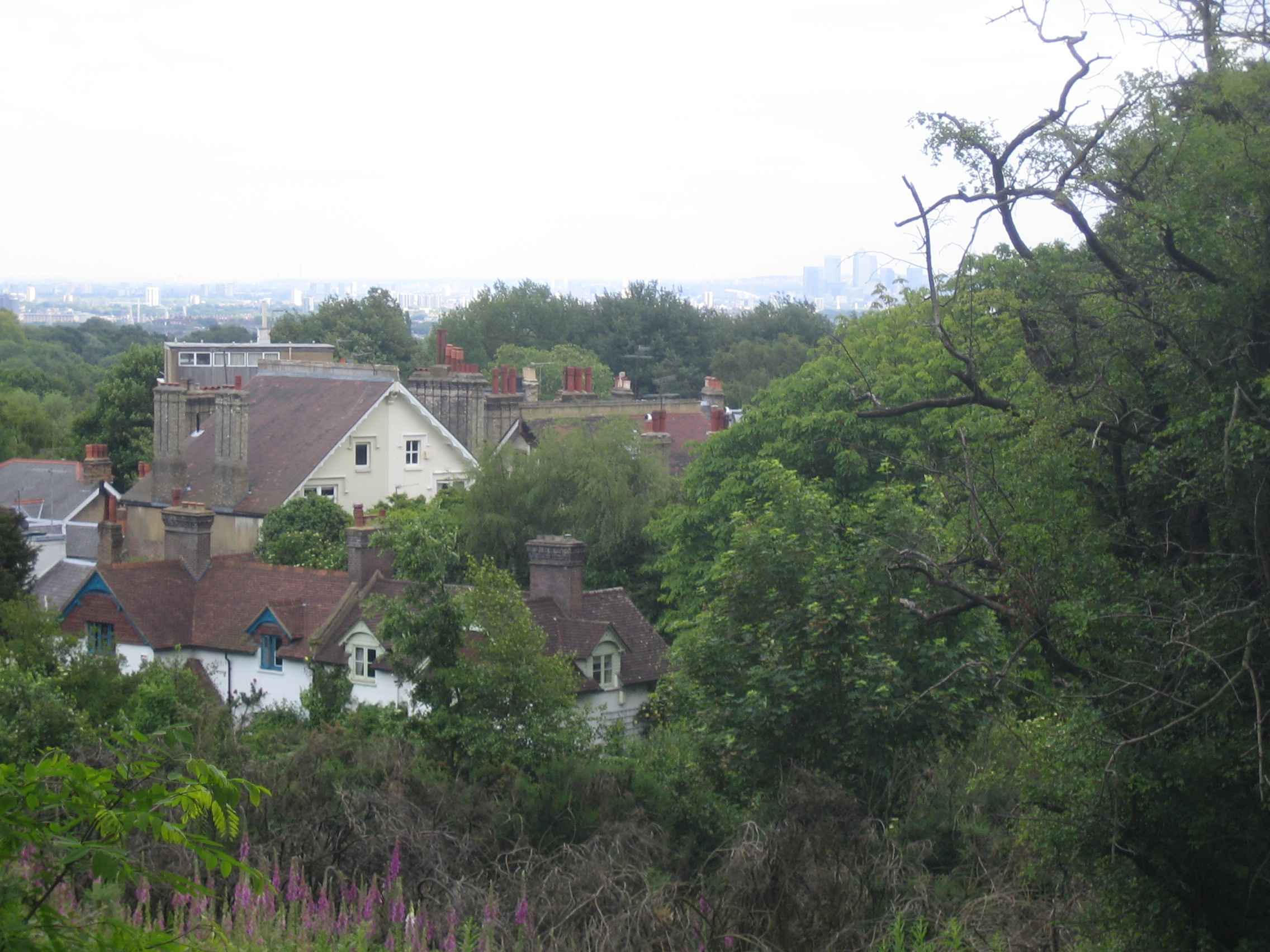
P.S. The banner on this blog?  Why yes, it’s a photo of London, and yes, it does help remind me of what is possible. 🙂

When I decided I was going to write a novel, I was really scared.  I was also really irritated to be scared.  I mean, how many big projects had I completed with no problems?  How many times had I gotten up in front of an audience and sung in a foreign language I don’t even speak?  (Sometimes even when I knew I couldn’t sing the song in question very well at all.)  And yet sitting in front of a computer alone in my study with a blank screen in front of me was somehow terrifying?

To push myself to go through with my decision, I wrote a note to myself on a yellow post-it and placed it on the bottom right of my screen.  Here’s what my note says: “Writing isn’t so hard, it won’t take long, and I’m sure I can learn while I’m doing it.  No one else will judge me and my work because they are already so busy with their own problems.”

I wrote what I needed to hear, and I read that note a hundred times over the course of writing that novel.

Unfortunately, the note didn’t work quite as well when I was sending my novel out to agents and my short stories out to editors and getting form rejections.  It sure felt like the world was judging my work.  So I wrote a new post-it and put it beside the first one.  This one reads: “Concentrate on doing the very best you can.  This is what is important.”  This helped me focus on doing my own personal best instead of spending so much time obsessing on everything I wasn’t good enough at yet.

Over the last year, I’ve collected a few more helpful quotations on a white piece of paper taped up on my bookshelf, right next to my screen.  Happily these are all up and shareable via the powers of the Internet.

First I have The Happy Stop on the Writer Train, by Dorothy Winsor.  This helps me remember to focus on the part of writing I love; namely, the writing.

Then I have Neil Gaiman’s great take on rejection slips.  (The last paragraph is the one on my paper.)

Last week, I added Seth Godin’s Exploration and the risk of failure.  This reminds me of which category I am in (the second) and the source of a lot of my anxiety (the pull I feel towards the first).  It also reminds me that failure is a good thing.  (I know, what crazy talk is that?  Any other perfectionists out there?)

I love my collection of pieces of paper.  I don’t even have to read what’s written any longer to feel a sense of reassurance.  And have I ever needed reassurance this summer.  Transitioning away from my business has been, in many ways, very wrenching.  My brain is still muddled from my Taos Toolbox experience to the point where I second guess much of what reaches the page – which means that right now, the part of writing that I love is not writing after all.  I’ve been in a fair amount of physical pain, which distracts me like crazy, and I’ve received a few rejections that have cut to the bone more than usual.

Why am I telling you this?  Because I think all of us go through this kind of time, particularly during transitions.  And when you are going through your rough transition, or get that especially disappointing rejection note, or start going down the dark and dangerous road of comparing yourself to others, or can’t write well because your brain is buzzing or you have a headache or your ankles hurt so much you’re contemplating chopping them off and good riddance, well, maybe you’ll remember this entry and realize you’re not alone.  Maybe you’ll look at your own reassuring notes and be comforted.  (Maybe you’ll even add some of mine to yours.)

Maybe you’ll do what I’m going to do today: grit my teeth (although I don’t recommend this for dental health reasons), hold my chin up, and keep going in whatever way I can.  I’ll write some bad words, I’ll submit a few stories, and I won’t give up.  At least not today.

And tomorrow I’ll do it all over again.

On Waiting, Part II

“Life is largely a matter of expectation.” –Horace

Today’s entry is the sundae and the cherry all in one because I get to talk about the things that I love so much that I’m happy to wait for them.  My husband tells me that I live in the future a lot, and I suppose I do, partly because I’m a bit of a worrier and a bit of a planner, and partly because I love looking forward to things.  So here is my list of *six* (yes, I couldn’t quite limit myself to five) things I wait for with sincere pleasure.

6. Food: Enjoying the aromas filling the house as dinner stews in the crockpot or cookies bake in the oven is part of the fun.  And I was looking forward to our anniversary dinner at Chez TJ for several weeks before the fact.  My sweet tooth doesn’t help matters either.  Does this make me a foodie?

5. Friends: I look forward to seeing people or hearing from people so much.  When I make plans with you for next week, you can bet that it makes me smile whenever I think about it.  Getting a long e-mail or, heaven forbid, a real physical letter, is good in the same way.  Granted, there’s not as much waiting involved, but I still get a frisson of anticipation when my eye scans down the page or I see a promising sender in my inbox (I save the exciting e-mails for last).  This also includes looking forward to seeing my dog (I’ll be driving home and get excited about this, which goes to show how extremely dorky I can be) and wondering when my husband will get home from work.

4. New Book Releases (and movie, album, theater, etc.): Sometimes this crosses the borders into painful (GRRM, I’m looking at you), but in general I enjoy looking forward to the release date of a book I want to devour.   Here are the books I’m currently waiting for with baited breath: Monsters of Men, by Patrick Ness; Mockingjay, by Suzanne Collins; Blackout and All Clear by Connie Willis (I’m waiting for the second half to come out before reading any of it); Cryoburn by Lois McMaster Bujold; and many, many more.

3. Holiday/Special Occasion: It has been known to happen that I will create a special occasion in order to look forward to it.  I love all birthdays, and particularly my birthday, for this reason.  The wedding anniversary is a good new occasion in my life, and I also celebrate the anniversary of when I met my husband, which is in October.  My favorite holiday by far, however, is Christmas, and I’ll make a confession: I’m already getting excited about Christmas right now, and it’s only August.  So apparently I get about five months a year of wonderful anticipatory glow from a one-day holiday.  How awesome is that?

2. Completion of a project: Who doesn’t love the twin feeling of satisfaction and relief when you type “The End” at the end of the novel you’ve been working on for the past x months?  Sometimes it’s only the fact that I know how pleased I’m going to be at the end that keeps me going during the murky middle.  Short stories are great because you get to experience this thrill of completion more often.  The same sort of thing happens after a concert or a run of shows or a big project at work.  Of course, the anticipation of completion can be better than the actual finishing, which tends to be bittersweet, but I’ll take whatever I can get.

1. Travel: I love to travel; it is one of my enduring hobbies.  People who know me well but don’t often see me will ask me where I’ve been in the last year because it’s a question almost guaranteed to act as a conversation starter with me.  I structure my life around travel instead of the other way around, and now that I’m traveling to attend various conventions, conferences, and workshops, this has only gotten worse.  When I’m feeling particularly down or stressed, I plan a trip – it doesn’t matter if the trip won’t happen for six months or even more because just looking forward to it will begin to make me feel better.  The closer the trip gets, the more excited I get.  So for instance, I’m traveling to the UK in a little over a week, and I’m internally bouncing just thinking about it.  The difficulty of waiting just adds to the general aura of excitement.

Well, writing this post has put me in a fantastic mood.  Here’s your personal invitation to add to it by telling me about things you like anticipating.

On Waiting, Part I

I hate waiting.  After teaching piano to children as young as age four for seven years, I can no longer characterize myself as a wholly impatient person, at least not with a straight face, but man, do I hate to wait.  Yesterday, I was thinking about how much time I spend waiting in the course of daily routine life: I wait for the light to turn green, I wait for the clerk to ring up my purchase, I wait for the check at the restaurant, I wait for people to get back to me via E-mail or text or phone.  I wait for the water to boil, I wait for the mail to arrive, I wait for lunch, I wait for my nail polish to dry.

Yes, this is what I spend my time thinking about.  So I decided I would compile a list of the top five things I hate waiting for.

5. Scheduling: My old business depended on the skillful juggling of twenty to thirty families’ schedules with my own.  I am very good at scheduling, but what used to drive me up the wall was my inability to get a timely response and then the whole process of going back and forth, complete with peoples’ schedules spontaneously rearranging themselves overnight, thus wrecking my grand plan.  Email, phone, or in person, they all have their unique and horrible pitfalls of waiting for someone to respond.  (In person, you say?  Yes, because inevitably people can’t commit to anything in person.  They have to get back to you, presumably after checking with all family members.)  Waiting a week or more for someone to say, “No, we can’t come then because of xyz activity” is maximally frustrating, since presumably they knew that they couldn’t do it for the entire week and therefore I’ve been waiting for no good reason.  This dislike of scheduling and the waiting inherent to it has now extended into my regular life as well, which is why I rarely schedule group events.

4. Results: When I used to audition on a semi-regular basis, I hated waiting for the cast list, solo list, or whatever list to be posted.  Now I hate waiting for responses to my short story submissions.  I just want to know and get it over with, and in the meantime, I tie myself into myriad complex mental knots.

3. Drama: I like things resolved now.  As in, right this very minute.  If I have an interpersonal conflict of some type going on and it’s impossible to quietly smooth over (which is generally my first choice), I want to face it and resolve it as quickly as possible.  Cooling down and talking about it in the morning?  Not so much, because I won’t relax until I feel a resolution, meaning I won’t sleep well.  Having someone initiate drama over e-mail?  That means for every exchange, I have to wait, and the tension builds higher and higher between e-mails.

2. Healing: Whenever I get sick or injured, I convince myself that I’ll never feel better again.  Waiting to heal is particularly difficult because I feel so physically lousy the whole time, it affects all aspects of my life to varying degrees.  Right now I’ve been waiting for my knees to heal for a year and a half, and I messed up my back about a month ago and I’m waiting for it to heal too.  Really, what I’m waiting for is the resumed ability to do things I want to do but can’t.  Of course, if I don’t wait long enough, then I re-injure myself or relapse into the illness and it takes even longer to heal.

1. Loved Ones and Terminal Illness: This is the worst kind of waiting I can think of.  Watching a loved one suffer in horrible pain and waiting for them to die tears everyone involved into tiny jagged pieces.

Feeling impatient along with me yet?  Let’s talk about a few strategies for coping with some of these things (except the last one, which requires a more in-depth discussion).  Setting deadlines can be helpful when dealing with other people.  Distracting yourself is also big up there, whether that be with a fun activity or by working on the next story or audition piece.  Focusing on what you are capable of when injured or sick can help although I’ve found it mostly works in the very short term.  I’ve found being aware of the changes for the better (oh look, now I can walk FOUR blocks with no knee pain, or I can stand at a convention party for THREE hours instead of twenty minutes) to be more cheering.  Scheduling a particular time to talk about a big looming issue means at least you have some idea of the time frame of resolution.

One of the strategies I like the best is to think about the stuff in life that does make me happy.  So never fear, because tomorrow I plan to write the perfect antidote to this post– the top five things I love waiting for.  Yes, they do exist!  But you’ll have to wait to hear about them.