Feeds:
Posts
Comments

I enjoy reporting in from time to time from the trenches of making a big personal change. At my current stage, here’s what I’ve learned:

My instincts of behavioral response right now are really kind of terrible.

What do I mean exactly? And what does this mean in practice?

Well, on the bright side, my gut instincts are actually coming along very nicely. I’ve gotten used to paying more attention. I’ve gotten used to noticing my feelings and impressions as they’re happening and remembering them for later. I’ve changed the criteria for what constitutes healthy and awesome behavior. All of this is great.

And when I have time to reflect, I do quite well. I understand basic principles. I can figure out what I’m okay with and what I’m not okay with. I practice saying no successfully. I can think through a situation and assess what’s going on, and then I can figure out how to communicate my boundaries. When I’m concerned, I have friends I trust with whom I can sanity check and get advice on the subjects on which I need guidance. I get support when I need it. I sometimes take a bit of time to get back to someone, but I’m usually okay taking the time I need. Again, all great.
Photo Credit: bernat... via Compfight cc

Photo Credit: bernat… via Compfight cc

But when I get put on the spot, well, I don’t want to say it all goes out the window, but if I’m going to slip up, that’s when it’s going to be. Being tired or hungry or sick doesn’t help either, but the hardest thing of all for me right now is when I find myself in a situation that requires an instant response. Especially if there is additional pressure being brought to bear. I usually know it feels off, but I often can’t figure out how to react. Or I attempt to say no or set a boundary, but when that is countered or rebuffed, I don’t persevere.

And my core instinct of behavior, I’m sorry to say, is to not rock the boat. I want to smooth things over, I want everyone to get along, I don’t want to be involved in a prolonged conflict, and I don’t want to find out if me setting this boundary will result in disrespectful behavior from whomever I’m with. It’s important that I DO find out, don’t get me wrong, but to be honest, it’s pretty depressing when that happens. And sometimes it seems so much easier to just … go along with things. I can and do fight that instinct, but when I’m not sure what the right thing is to do, that is the instinct that is ready and waiting for me to fall back on.

One solution to this problem is to do my best to get myself the time I need. “I’ll get back to you” and its variants are my new best friend phrases, and the more I use them or even just think them, the more quickly they will spring to mind when I need them. Even “I don’t know” can occasionally be helpful. And of course, many methods of communication have a convenient delay built right into them.

Unfortunately, some situations really do call for a more immediate response. Ferrett talked about one such example recently. And he’s totally right in that shock/surprise makes it really hard to respond mindfully, and future modelling does help prepare for a wide variety of situations. If I can anticipate an event, then I can prepare a response ahead of time. (Whether or not I’ll actually be able to deliver it, of course, is another matter.) However, anticipating every situation is ultimately impossible (and sometimes overly stressful as well), so I hope that eventually I’ll be able to build a new core instinct that does a better job of helping me stand up for myself when that is necessary.

I thought this would be interesting to write about because I don’t read articles very often about the difficulties of making these kind of changes when you’re right in the middle of one of them. But I have an ulterior motive: I figure it’s a good thing for people to know about me. I do better right now when I’m given time. So that is a gift you can give me that will be deeply appreciated.
When I first started blogging seriously back in 2010, I read so many blogs. I wanted to see what other people were doing, and I wanted to get ideas of what to talk about, and I followed lots of blogs from which I read almost all the entries.

Then at some point I stopped. I can’t remember if it was early this year, or sometime last year, but I do remember I was falling behind and I decided to take a break to catch up with life. And then I found I wasn’t missing most of the blogs I read, so I never came back to my blog reading in the same way.

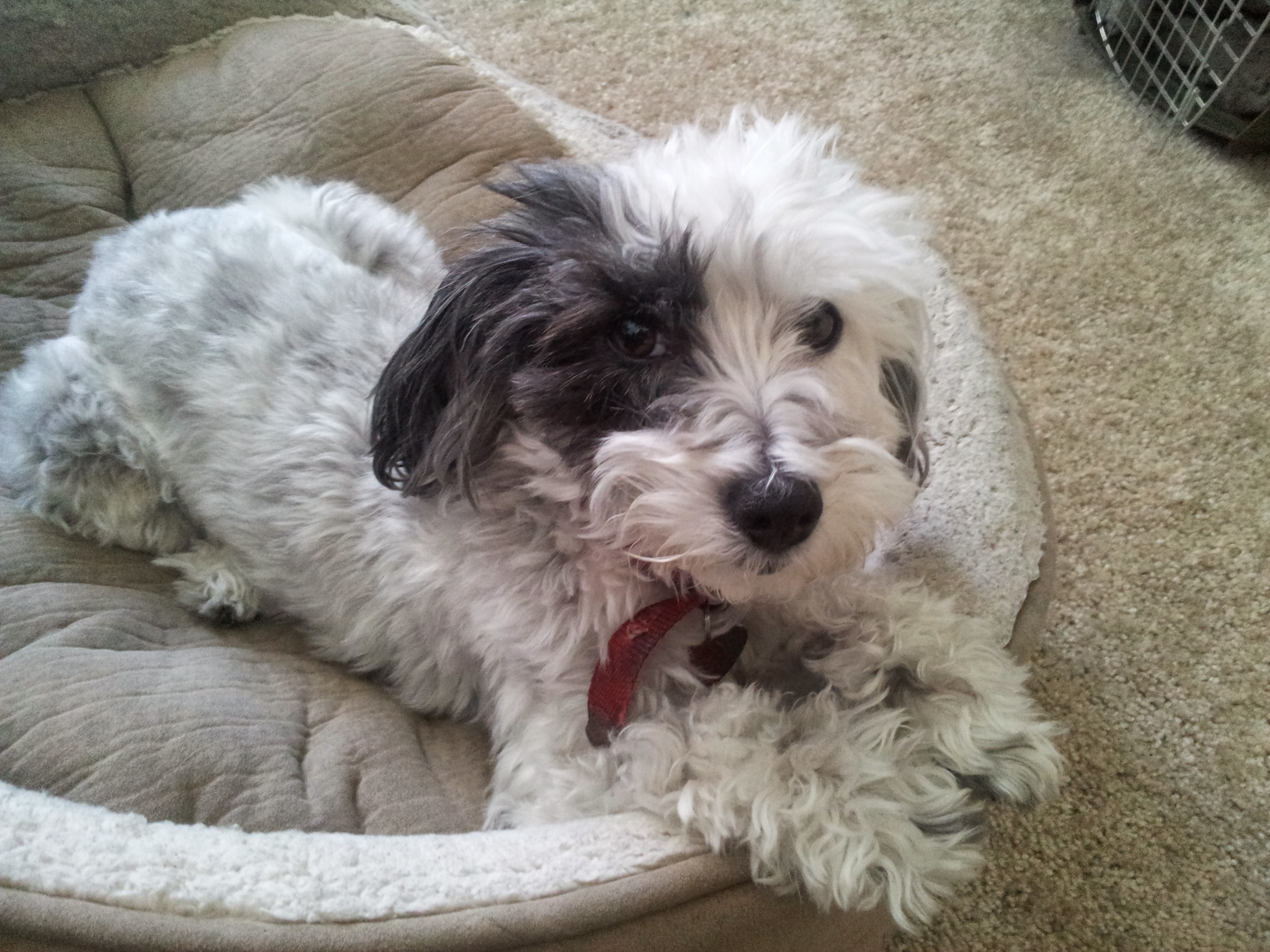
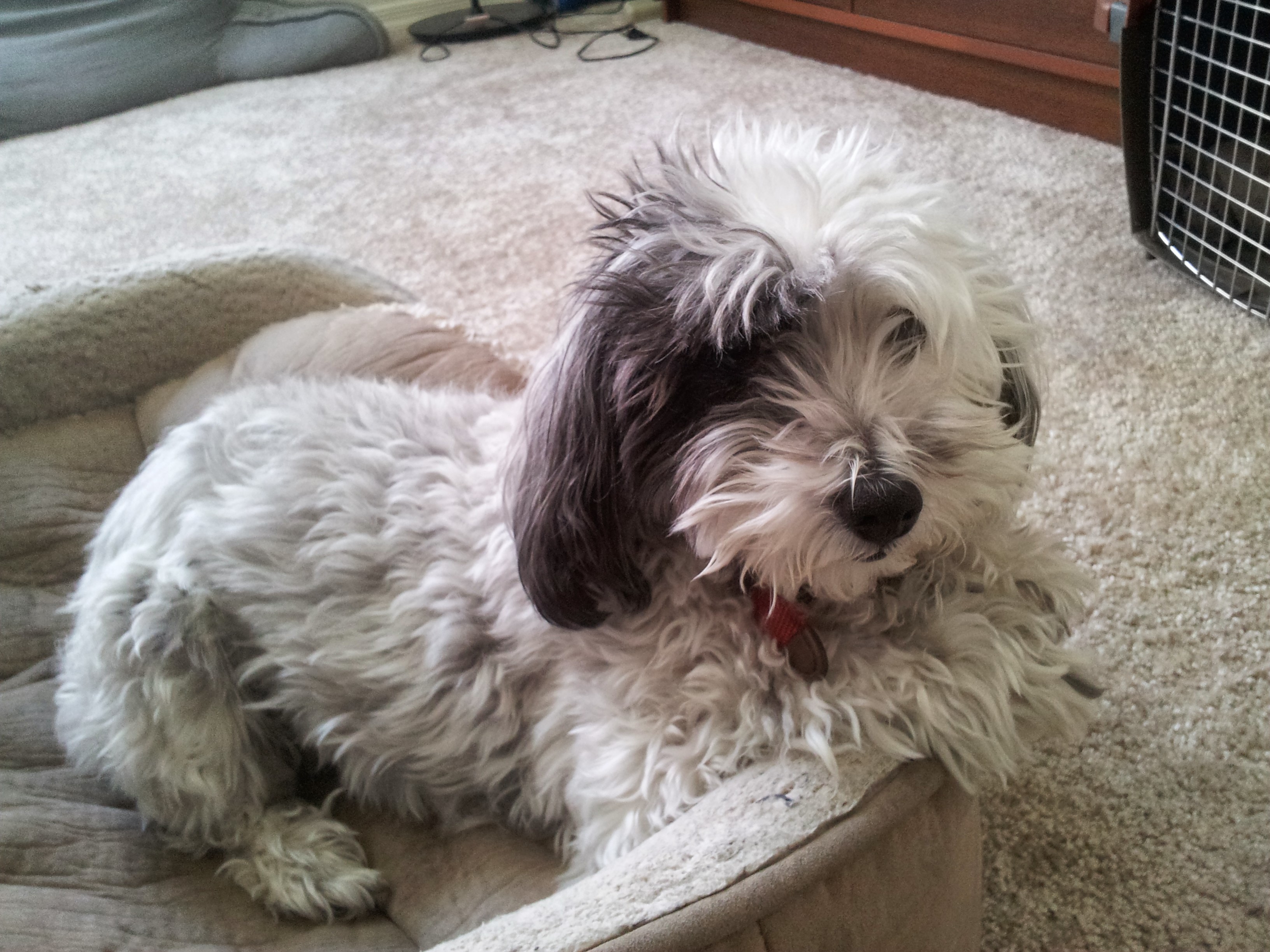
Nala also doesn't read many blog posts. But she does have incredibly fluffy paws!

Nala also doesn’t read many blog posts. But she does have incredibly fluffy paws!

I still read a few blogs regularly. I read my friend Rahul’s blog because he is always making interesting observations and giving great book recommendations. I read my friend Ferrett’s blog because he is always doing strange things and giving great insight on social interactions. I read Theodora Goss’s blog because I feel like she’s teaching me how to lead a modern fairy tale life. I read Captain Awkward because I went so long wishing for an advice column that actually gave healthy advice and now I have one and it is so interesting and sometimes applicable to my life.  I read Nick Mamatas’s blog because he’s such an iconoclast online and that is fascinating to me. (Also, iconoclast was my new vocabulary word last week! I would probably pronounce it wrong if I tried to say it out loud.) I read Stina Leicht’s Feminist Mondays because she compiles a great list of links and backs them up with relevant commentary.

Other than that, I check in on an economics blog a few times a week, and I click on posts that people share with me on Twitter and Facebook. I’m more likely to click on said links if they’re for essays by Kameron Hurley and Robert Jackson Bennett or if they’re on io9 or if they’re shared by Mary Anne Mohanraj or Juliette Wade, but I end up clicking on all kinds of stuff.

I stopped reading some blogs because they got repetitive. I stopped reading other blogs because it was obvious the blogger was pretty messed up, which was compelling at first but then eventually mostly made me feel tired. I stopped reading most writing advice because most of it I either already knew or had nothing to do with me. I cut back on book blog reading because I’m so far behind on my to-read list (although I am hoping to catch some of the Book Smuggler’s Smugglivus this month because I do love year-end lists and reflections, what Rahul calls wrap-up season).

I still hear writers saying that they should really start their own blogs, but now I tend to respond, “Well, if you think you’ll like it.” Because it’s becoming more and more clear to me that blogs are driven by having a unique voice, just as much good fiction is. But I don’t think having a unique voice for one of those things necessarily means you’ll have it for the other. I mean, there might be some correlation, I don’t know. What I do know is that the short essay, suitable for most blogs, is its own form and as such, requires study and practice. So if you aren’t compelled to write it, I don’t know that there’s a strong argument for doing so anyway.

As we all know, I am compelled to write in this form, and all of this does beg the question of my own blogging. “What if I’m getting boring?” I wailed to my friend this weekend. He obligingly told me I wasn’t getting boring, thus proving his awesome quality of friend supportiveness, but it’s a question that is always in the back of my mind. That being said, none of the blogs I’ve stopped reading seem to be in any jeopardy, so I suppose the answer is that readers cycle in and they cycle out, and that’s as it should be.

I don’t miss the blogs I no longer read, but I do on the whole still enjoy blogs with a strong sense of voice. Perhaps I’ll stumble across some different ones that will enchant me all over again.

I’ve written this blog post so many times in my head, and every time I end up crushing it into a metaphorical paper ball and throwing it in the trash. Because every one of them ends up sounding as if I think I know what it’s like.

And if there’s one thing I know, it’s that I DON’T KNOW.

I don’t know what it’s like to be the target of racial slurs.

I don’t know what it’s like to worry that my child might be killed because of the color of his skin.

I don’t know what it’s like to be pulled over because of what I look like instead of how I was driving.

I don’t know what it’s like to be discriminated against not just because I’m a woman, but also because of my race and class.

I don’t know what it’s like, as a person of color, to try to break into a publishing industry that is hugely white and for the most part doesn’t see the problem with that.

I don’t know what it’s like to see someone who looks like me be the first one to die in movie after movie.

I don’t know what it’s like to be demonized for my skin color.

I don’t know what it’s like to know I’m three times more likely to be killed by police.

I don’t know what it’s like to be frightened enough to seriously look into emigrating from the United States.

I don’t know what it’s like to be on the receiving end of a never-ending stream of racially related micro-aggressions, day after day after day.

I don’t know what it’s like to have one of the big moments of my career marked with a stereotypical joke about my race.

I don’t know what it’s like to have people assume I’m violent or aggressive or stupid before I take a single action or say a single word.

I don’t know what it’s like to receive a longer or harsher sentence than a white person would have received for the exact same crime.

I don’t know what it’s like to see the KKK in action and to know its members would be totally behind a world in which I was merely property. Or dead, even though I’ve never done anything to them.

I don’t know what it’s like to have no choice about dealing with the problem of racism in the United States.

I don’t know what it’s like to live in a country with a history of seeing my ancestors as animals, of counting my ancestors as each only three-fifths of a white person, of thinking the slavery of my ancestors was morally okay, of lynchings and segregation and dehumanization and murders of those of different racial backgrounds.

I don’t know what it’s like. All this and so much more.

*

What do I know?

I know that racism is an easy thing for a white person like me to ignore. I know I can choose to remain ignorant without huge consequences. I know I can avoid the discomfort of looking at my own privilege. I know I can pay lip service to being a decent human being by saying race is invisible to me. I know I get to be outraged and not simultaneously deeply afraid. I know I don’t have to be courageous, that I can say nothing and probably no one will be upset with me and maybe no one will even notice and it’s not like my life is made personally unbearable if the systemic racism in our country isn’t addressed.

But I choose NOT to ignore the realities of racism in our country and in our world. I choose to practice my empathy. I try to educate myself instead of placing the burden of my education on others. I donate to the #weneeddiversebooks campaign, and I implement my own reading project to increase the diversity I’m exposed to in the books I read. I try not to say anything too ignorant or hurtful, and I prepare for the possibility of me screwing up, so maybe when that time comes I’ll have the grace to apologize well and make the amends I can. I try to be a safe and supportive person. I listen. I listen some more. I listen even when I don’t understand. I listen as much as possible because I know I don’t know, and because listening is a way of legitimizing voices that have gone too long unheard. And this is, quite frankly, not very much. But it is a beginning.

I want to be very clear about my thoughts. I don’t have to know what it’s like living without white privilege to know racism is a big problem in this country. I am not okay with this status quo. I support change with all my heart, and I believe that change is possible. I believe we as a nation can be better than this. The path to change will continue to be long and difficult, but it is a path I believe in and support.

I hope I will see you there on that path with me.

It’s time for me to start work on a new writing project, aka a new novel. And this endeavor has forced me into taking a look at the writing angst I’ve been feeling for the last month or so. It hit pretty much the moment I finished the previous novel.

Something I’m fond of saying is that one of the most important parts of being a writer is learning how to emotionally manage yourself. Because being a writer can be emotionally brutal (as can being a musician, as can being most kinds of artist). So if you want to be in it for the long haul, you’re going to have to learn how to deal with all the fun experiences that go along with it: the rejection, the waiting, the insecurity, the criticism, the solitary nature of the work, working on big, long-term projects, being able to finish, finding self-discipline, finding focus, handling the inner critic, etc., etc.

I had such a lovely time writing BEAST GIRL that most of my writer neuroses have been exceptionally quiet all year. My biggest worry was that my moving would derail the rough draft, and once I got over that hump okay, I had a relatively easy time focusing on the writing and revising in a calm fashion. A calm that shattered once I no longer had any work to do.

Suddenly the decision of the next project seemed a lot more weighty than it had before. I came up with a bunch of ideas, and then I came up with a bunch of reasons why I shouldn’t do any of them, or why I should do all of them, just so I could spend a nice period of time dithering and working out all that pent-up writing stress. (This makes it sound like I did this on purpose, but I can assure you it was entirely accidental.)

Finally, late last week, I decided to talk out my decision-making problem with any writer friends who were willing to listen. I talked and I dithered, I wrote summaries and dithered some more. I’m quite exceptional at the practice of dithering. And by the end of the day, it struck me.

This wasn’t about choosing which novel to write next. It seemed to be about that. That was certainly mostly what I was talking about. But that wasn’t my problem. My problem was in managing my writing-inspired emotions. My problem was FEAR.

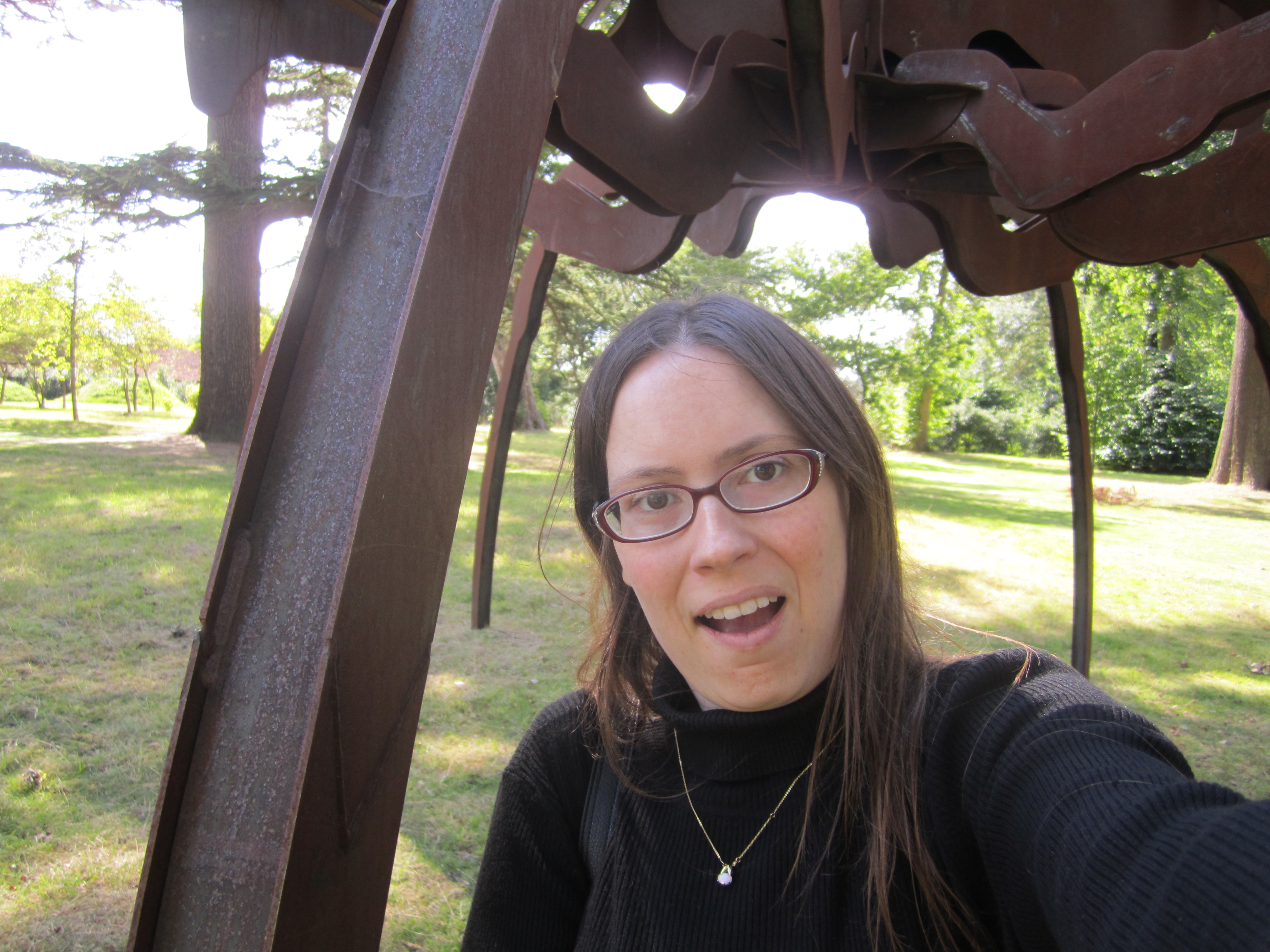
I am underneath a giant spider. It is scary.

I am underneath a giant spider. It is scary. And also reminds me of LOTR and Harry Potter simultaneously.

Once I realized this, I was actually much more cheerful, as I have confidence in my ability to wrangle neurotic writer feelings. I was afraid agents wouldn’t like BEAST GIRL. I was afraid no one would like the next novel I wrote either. I was afraid it would be hard, and maybe I’d get stuck, or else I’d just be writing very badly, or I’d finish only to have all the agents say, sorry but I already have several manuscripts just like this one. Which is all fine and good, and the fear is real enough, but there’s nothing I can do about any of those things. I can’t control whether anyone likes BEAST GIRL. I can’t control how smoothly (or not) the next novel goes, or whether it ends up being like other novels that hit agents’ desks a year from now.

Recognizing the lack of control gives freedom. If my problem with choosing the next novel project was fear, then there was a simple solution. Choose anyway, go for it, be flexible, and see how it goes.

In conclusion, I am now hard at work at the brainstorming/researching/outlining/ figuring out stage of my next novel. Am I scared? Yes. Gloriously so.

Hope as Fuel

Let’s talk about hope today, shall we?

One of my friends posted this great thought about hope on Facebook, which I cannot share with you word-for-word because privacy, but he basically talked about the importance of maintaining a store of hope in order to continue accomplishing things in life. And then another friend texted me about hope a day or two later, and I said, “Yeah, I’m going to blog about this now.”

Hope really can be quite useful, I think particularly for more long-lasting and slow-to-reach goals and desires and projects. I don’t need hope to do small daily tasks around the house, but I do need hope to keep writing, for example. Without hope, it would be so much harder to discipline myself to work and do things that I find unpleasant or difficult.

So then, how do we cultivate hope? And not false hope that might keep us stuck, but rejuvenating, inspirational hope?

  1. We can do our best to be cognizant of progress. Instead of focusing only (or even primarily) on a big end goal, if we can be aware of what we have achieved, this maintains hope. It can be hard to notice these smaller shifts and achievements, but being able to identify progress I’ve made keeps me inspired to keep spending effort.
  2. We can give ourselves things to look forward to. I’m a huge practitioner of this one. If I don’t have anything at all to look forward to in the next six months, something has probably gone horribly awry with my life because I always make sure I have something, and usually the more somethings, the better. I often use trips for this purpose, but really there’s a lot of choice here: events, holidays, birthdays, parties, concerts, plays, movies, food, friend time, books, a day with nothing scheduled, and so on.
  3. We can reframe. Catching our negative thoughts and figuring out how to transform them into less harmful ones (or even actively positive ones) cultivates a smoother state of mind and, you guessed it, more hope.
  4. We can help other people. There is something about building connection that creates hope. It can pull us out of ourselves and remind us of the things we think are important.
  5. We can choose to celebrate other people’s successes. Your friend reaches a goal that you desperately want to hit yourself. Here is your choice: take your friend’s success as a reminder that the goal IS possible and celebrate with her, or feel unhappy with yourself for not being there yet. The first one builds hope; the second tears yourself down.
  6. We can remind ourselves of the inevitability of change. All things change, and so in this sense, there is always hope. Not of a specific outcome, necessarily, but sometimes all we need to is to know that things can be different.
  7. We can attempt to be flexible. Speaking of specific outcomes, the less attached we can be to specifics and the more we can adjust to what’s going on around us, the easier it is for us to maintain a general feeling of hope.

Hope without action is empty, but hope combined with action keeps us motivated to continue working towards our goals.

What do you do to replenish your stores of hope?

You’re Stuck, Amy

My friend gave me a Tarot reading Friday night, during a writer party in which we mocked the Self Esteem game and had a dramatic reading of The Houseplants of Gor. I like Tarot readings because I think, at their best, they can help me clarify my thinking and pull back to see the big picture.

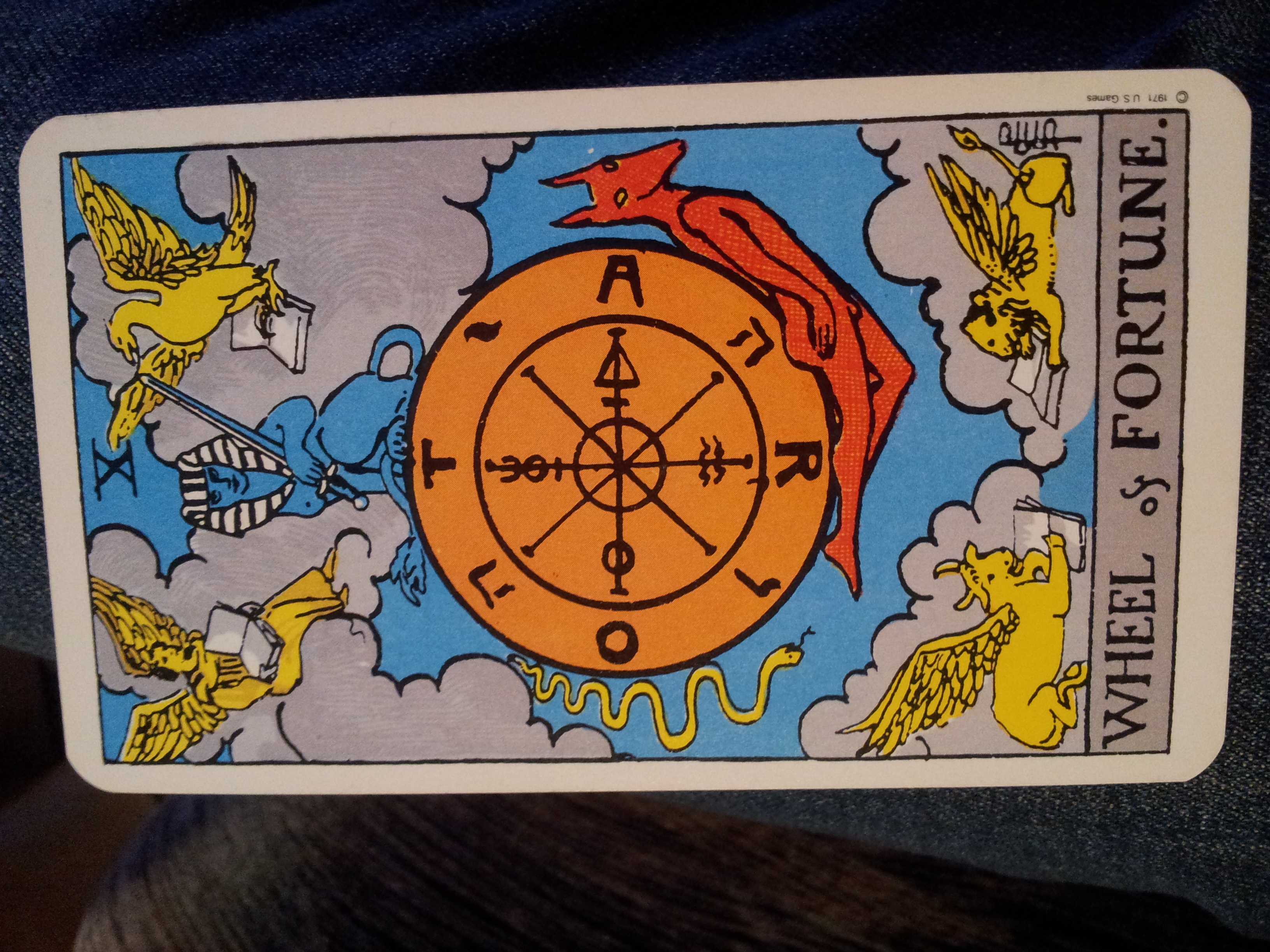
My central card: The Wheel of Fortune

My central card: The Wheel of Fortune

After looking at a few of my cards, my friend said, “It seems like you’re kind of stuck right now.” She explained why in the language of the cards, but I don’t remember that part because instead I was thinking, “Yes, that’s true. I’m totally stuck. Huh.” Which is also why I like Tarot readings, because once in a while they slap you with things you already know but are halfway ignoring.

But yes, I have been stuck. That’s why I look at rental listings when I need to be cheered up, because I know that if I fail to unstick myself any other way, I can move someplace else and the upheaval that will cause has a high chance of unsticking me. It almost doesn’t matter where I move because it’s not about location, it’s about shaking things up enough that they start flowing again. And therefore, looking at rental listings is supremely comforting, in spite of the fact that I’ve already moved twice in the last year and a half and the last thing I really want to do is pack all my stuff up AGAIN.

Just sitting there and thinking about how stuck I’ve been feeling made me feel less stuck than before. It’s funny how that works.

One of the other themes of my reading was uncertainty. Which was another moment of, “Oh yeah, there is a lot of uncertainty in my life right now, and I wonder how I’m doing with that.”

My novel’s out to agents, and there’s not much for me to do there but wait. In the meantime, I haven’t figured out what my next novel is going to be yet. I don’t know what I’m going to do when my lease is up, and I don’t know how much my rent is going to increase. I don’t know where I’m going to travel next year, what events I’m going to attend, and February has become this strange nexus point of so many possibilities that I wonder if anything at all is going to happen then (if not, I have friends who are on board for hate-watching Shades of Grey, which is already pretty excellent). When it comes down to it, I don’t really know in which direction I am heading.

It’s all relative, though, this kind of uncertainty. I expect I’ll be writing, and I expect a certain little dog will continue to add to my happiness. I expect there’ll be people around who I care about. Perhaps most importantly, I’m not waiting for doom to fall down onto my head like an anvil, which makes life so much better and the uncertainty so much more manageable.

My reading concluded with this thought: Trust yourself and pick your battles. Which, yeah, is decent advice, although sometimes hard to implement.

I think the “You are stuck” part was the best though. Because soon after I’d heard that, I had the brilliant idea of switching strategies. Instead of throwing myself repeatedly at my problems, tangling my limbs and collecting bruises and generally exhausting myself, what if I chilled out a little and focused on what I did have instead of what I didn’t? That’s not to say I haven’t been trying to do this the entire time I’ve been stuck, but I guess I was finally ready.

In the end, I needed to hear someone tell me I was stuck so I could realize that being not stuck was also an option.

Sometimes we aren’t ready.

I wrote a blog post for today, and while the quality is there, I don’t think it’s the right time. I’m not ready. So you are reading these words instead.

Sometimes we make mistakes.

I made a classic people pleaser slip earlier this week, and I beat myself over it for a few minutes before I ground myself to a halt. Mistakes happen. It’s unfortunate. But the self-flagellation doesn’t help anyone.

Maybe I won’t make the same mistake next time. But even if I do, it’s all part of the learning process. There is time.

Sometimes we don’t know what we’re doing.

We learn what we can and wade on in, and we do the best of which we’re capable. Not knowing is not always a good reason for not doing. The clear way may be to learn while we’re doing.

Sometimes the thing we’re looking for doesn’t look the way we expected it to look.

And then we end up in weird situations in which what we want is staring us in the face, only we look right past it. Ideas can be so sticky and aggressive, which makes them a wonderful creative force. But when we get too attached to the particulars of an idea, we can get stuck even when it isn’t necessary.

Sometimes we need the little things.

I was walking Nala last week, and the weather was warm but not hot, and the grass was littered with faded brown leaves. I wore boots and a plaid skirt, and Nala held her tail high and pranced at the end of her leash. I suddenly realized I was happy.

Sometimes we create our own meaning.

This is a tricky talent to possess because it can be so powerful. Powerful in a positive way, or powerful in a negative way. You can see the danger there.

But when wielded with care and mindfulness, meaning can infuse our lives with an excitement and a charge that is otherwise missing.

Sometimes we surprise ourselves.

I know I’m surprised. Are you?

Photo Credit: shewatchedthesky via Compfight cc

Photo Credit: shewatchedthesky via Compfight cc

Living 100%

I’m back home from DC and the World Fantasy Convention, and I have that slightly hazy post-con mind with which many of you are probably familiar. I got to spend time with so many amazing people, and yet I felt like I didn’t have close to as much time as I wanted: another familiar feeling. But I did have many wonderful conversations, and I’m going to piece together a few for you.

But first, a dose of the adorable Nala.

But first, a dose of the adorable Nala.

I was talking about this blog, the way I do, and I always do a terrible job explaining what it’s about. But one thing I said sticks out to me now through the blur. I tell personal stories on my blog, I said, in order to illustrate insights I have had that I think might be helpful to other people. I don’t know that I’d ever put it into such simple words before, but yes, this is one of the reasons I keep blogging.

And because it is one of the reasons, I’m going to tell you a story that I told a friend this weekend.

My mom was in remission from cancer my senior year of high school, and she came to see me perform as the Narrator in the musical Joseph and the Amazing Technicolor Dreamcoat. I remember that she had an interesting reaction to that performance. She was proud of me and happy for me, but she was also … wistful. I don’t remember if we talked about it or not, and what we said if we did, but I do remember what I thought about it at the time.

I had been one hundred percent alive on that stage during that performance. From the opening bars when I descended from the ceiling of the stage in what amounted to a mechanical box through to the finale, I’d felt energy pouring through me, along with that feeling that I was doing exactly what I was meant to be doing. And I had the impression that watching me being so fully and utterly alive and ME was a bittersweet experience for my mom because she had never had the opportunity to do that.

She was diagnosed with another cancer later that year, and as she was dying, I watched her venture outside her comfort zone a little bit. She flew with my dad to Hawaii once or twice and had a beautiful time, whereas before she’d never felt comfortable with travel. She spoke at the memorial for one of her support group members, even though she’d never liked speaking in public. And in these small actions, I could see the shape of who she might have been or become shimmering in front of me like a phantom.

And then she died.

And watching this, here is what I decided. When I die, whenever that should be, I don’t want to see that phantom of myself. I don’t want to see the most awesome version of Amy who I was too afraid to be. That is why I work so hard–and make no mistake, it is hard and sometimes punishing work–to learn about myself and to push myself and to figure out who I can be. It’s not about being perfect or easy or comfortable, and it’s not about straining upwards towards an unreachable ideal. Rather, it’s about trying to be the best possible version of myself, whatever that might entail in this moment.

Or in other words, it’s about being one hundred percent committed to this business of being alive. I don’t want to feel wistful because I’ve never had that.

Instead, I want to revel in it.

This week I’m going to the World Fantasy Convention, and I’ve sat here trying not to write about it and to write about something else instead, but my focus is already over there in DC, so I’ve decided to embrace that.

I’ve been making something of a point of spending a bit more time with writers locally for the last several months, so I am not in dire need of writer time stat, which has definitely been true in the past. But even so, there is something special about WFC, having so many friends that matter to me all under one roof.

I’ve been thinking about why the writer community has been such a robust presence in my life. I don’t have any solid answers, but I think it helps that it encompasses many people and is spread out geographically. And of course, we have our passion for writing in common with each other. And they aren’t as often a part of my daily concerns, which means they enjoy the benefit of perspective.

Perhaps it also matters that writers tend to be people who have thought about harder aspects of life. I mean, we spend tons of time crafting crises for our characters to live through (or not), so it’s much harder to avoid thinking about grief or disappointment or betrayal or what happens to a person when under pressure. As a result, I wonder if there is less fear when someone else brings up one of these topics because we’ve already been forced to take a look at the issues we have with them.

Or perhaps I just meet a lot of writers and therefore a lot of the wonderful, supportive people I know are writers.

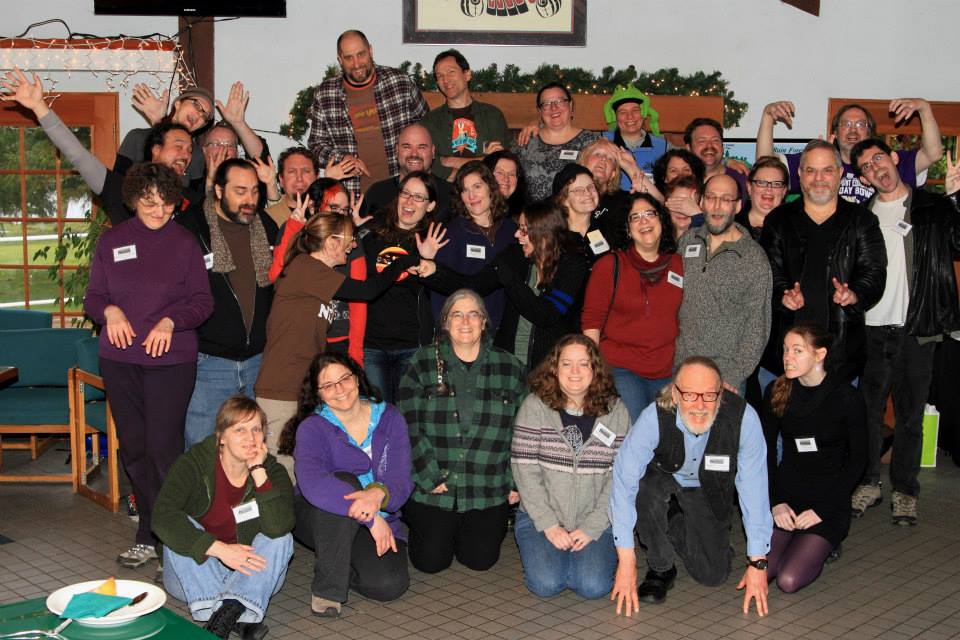
Writers in action! Photo by Andrew Williams.

Writers in action! Photo by Andrew Williams.

Regardless, whenever something goes off track in my life, whether it be writing-related or health-related or social-related or something else, I turn to my writer friends and they are there. They give me advice, they offer support, and sometimes they just listen and give me the space to be me in all my messy glory. I share my news with them, both good and bad, and it feels like we’re in this together, this not being publishing or other writing-related things so much as life in general.

All communities have problems, of course, and the writing community of which I am a part is no exception. We talk about the problems a lot, and that is as it should be. And all individuals have their strengths and weaknesses. I am not trying to paint a picture of a perfect utopia here.

But on an individual level, these are people who have my back. They are indignant on my behalf when I am poorly treated, they send me care packages, they are generous and happy to help when they are able to do so. When I am sick, they send me nice tweets. When I am sad, they text with me. When I have great news, they celebrate with me. And I strive to do the same for them.

It might not sound like much: a tweet, a text, a book in the mail. Many of them live far away, and I don’t get to see them in person very often at all. But you all have heard enough of my theories about life by now to know how important I think the little things are. They matter.

So I guess the writer community is a robust presence in my life because I choose to make it so. It makes me happy. And it is filled with people who think the little things matter, just like me.

I read this essay by the movie reviewer Film Crit Hulk (it’s interesting, but it is also super, super long, so fair warning), and I thought, oh, I should blog about despair. Because it seems to be going around lately. I know a lot of people who have been having a rough time personally, and then there’s been the whole GamerGate thing, and the global warming impending apocalypse thing, and the posting nude pictures of actresses thing, and a bunch of other things. And, well, it’s not a huge stretch to think that some people are experiencing despair right now.

Despair is a difficult experience to live through. It comes with its own built-in gravity well, in that once you find yourself in that despair place, it is not always obvious how to move forward or through it. So there you sit, in this incredibly painful state, feeling like really important things are broken and there’s nothing you can do about it.

And then I read my friend Damien’s post about Brene Brown’s book Daring Greatly, and you might remember I adore Brene Brown and think the work she’s done is really important. And reading through the list of strategies she talks about, I think they are somewhat applicable to dealing with despair as well as living a wholehearted life. So that’s one resource that’s out there.

But really I want to talk about what I do when facing despair, because that’s what I know. As usual, take what seems useful and discard the rest.

  1. Self care, self care, self care. If you are feeling despair, then you are going to need to self care the shit out of yourself. Beyond the basics (eat, hydrate, sleep, exercise/move), this includes giving yourself alone time or people time depending on what you need. For me, I often want lots of time with Nala. This also includes allowing yourself to be distracted or take a break from the despair. I don’t care how a big a problem it is or how big a realization you’ve had; being in full-on despair mode 24/7 is simply not healthy. Dealing with it is great, but not at the cost of complete burn-out. Finally, this covers allowing yourself to disengage and set boundaries as needed.
  2. Focus on the present moment. Sometimes despair involves things that happened in the past or things we’re afraid will happen in the future. And those things are important and provoke strong feelings and need to be grappled with. But to pull myself out of the despair, paying attention to right now right this second instead can be helpful.
  3. Baby steps. Despair requires patience, because maybe you’re beginning to feel better and then something happens and you fall right back down the well. But if I can think of even one tiny positive thing I can do to help my situation or take care of myself or reframe, then I am better off than I was before.
  4. Vent. Or cry. Or both. Sometimes I just need to let it out, and if I have a safe space in which to express myself, it can be extremely helpful. This one requires judgment because it totally backfires if the space turns out not to be safe after all. But you can do it alone or in writing (or with a pet) too.
  5. Try to stand apart from your emotional reality. Or in other words, try to call yourself on your black and white thinking. Despair can be overwhelming, and it can feel really, really big. For example, if you have been experiencing a lot of really bad behavior from other people, it can begin to feel like all people are awful, or all people are going to betray you, or whatever universal your brain has decided to come up with. But while your experience of that feeling is real, that doesn’t mean it necessarily reflects the external reality. So to pull out of it, you can think of one person who has treated you well. Maybe you can even text them or message them or call them or whatever it is you do to communicate. Or you can just think of a nice thing they did or said that one time. Then think of another person. Then another. Look at data if you need to: pull up a nice text or a nice email someone sent you.
  6. Don’t give up on yourself. Even if you really feel like it. You can give up on everything and everybody else, especially if you’re having a nice venting session, but hold onto that self-esteem like you’re in space and it’s your oxygen tank. YOU WILL NEED IT. GUARANTEED.
  7. Find a reason to hope. It can be a dumb reason, like the fact that ice cream exists or Nala is consistently adorable. That’s okay.
  8. Remember: everything changes. I don’t know if anyone else finds this idea comforting, but it has been my fall-back in hard times for at least ten years, maybe longer. If none of the above works, or if it’s not possible at the moment, and you’re wrapped up in the stifling blanket of despair, knowing it won’t go on forever and ever because that’s not how the world works gives you something to hold onto.
A reason to hope.

A reason to hope.

Hang in there, my friends. Or, as Theodora Goss said: