Feeds:
Posts
Comments

Archive for the ‘Life’ Category

A couple of months ago a friend of mine told me I was a Manic Pixie Dream Girl.

At first I argued with him. But that ended pretty quickly because his argument was actually convincing. My favorite point? “How many men,” he asked me, “have you helped ‘discover their joy’?”

My reaction to that question was, “Oh, shut up.” Although of course, I didn’t actually say that because it wouldn’t have been a discovering the joy kind of thing to say.

So then I thought maybe I could write a memoir called “I Was a Manic Pixie Dream Girl.” Because how much fun would that be?
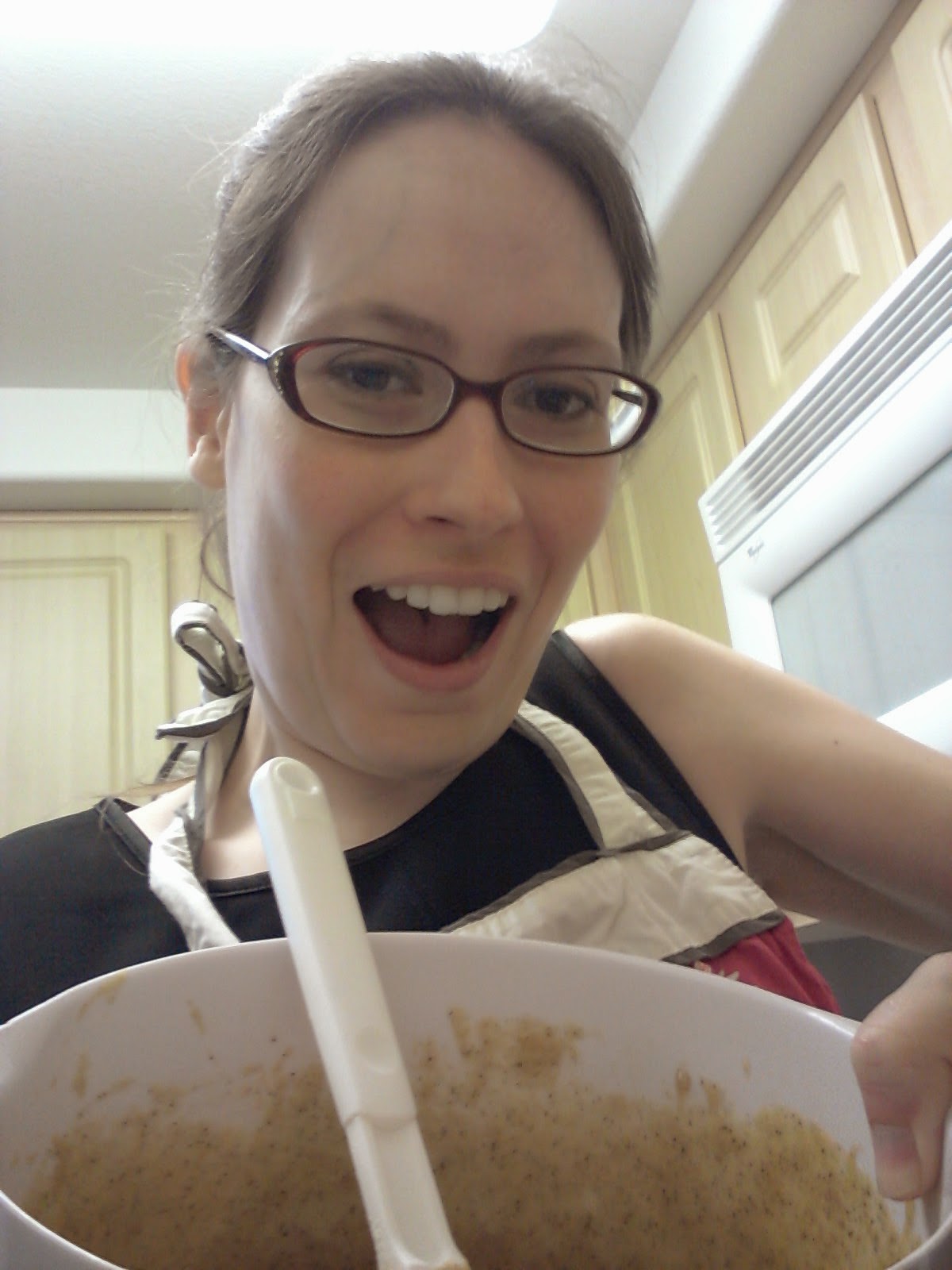
Bringing the joy! With BAKING.

Bringing the joy! With SWEET TREATS.

The idea was shiny but not without its drawbacks. For starters, to write that book properly I’d have to show a lot of the past messes in my life, and even though I know everyone has a lot of mess in their lives at one point or another, it’s still not the most comfortable proposition. Plus I know if I wrote that book the way I wanted to write it, I’d get rape threats for sure. Which, I mean, I kind of feel is inevitable, but it does have a dampening effect on my desire to pursue the project.

Also, I feel the need to point out that yes, we live in a world where female writers think about rape threat potential when planning their careers. Yup.

One of the great things about this hypothetical memoir is that it has a great redemptive arc. And I just read a blog post by Penelope Trunk telling me publishers want redemptive memoirs. (As an aside, I completely agree with her about Jeanette Wallis’s The Glass Castle. I was so disappointed when it ended. I wanted to know how her crazy childhood affected her adult life. To me, that was the interesting part, more so than the redemption. And then the book ended right when we got there!)

Anyway. Note the title of my memoir. I WAS a Manic Pixie Dream Girl. Past tense. Because I don’t really think I am one anymore. How’s that for some redemption?

Why do I think I’ve changed? Well, I’ve been meeting a lot of people for the past several months. Including a lot of guys who I’m sure I could have helped discover their joy. Or at least made myself very unhappy trying. But I’ve lost almost all my interest in doing that. (I mean, okay, not ONE HUNDRED PERCENT of my interest, but hey, no one’s perfect.)

Like, I could never date a workaholic again, and I would be completely happy with that outcome. Ecstatic, really. Workaholics are thick on the ground where I live. And they are the perfect people to help rediscover their joy and the fact there’s a world outside their offices and all that jazz. Also, I totally disagree with their life philosophies. I think they’re more likely than not to regret being workaholics later in life. I mean, look at the top five regrets of dying people. But, I mean, whatever. Maybe they won’t, and in the meantime, it is so amazingly lovely to have that not be my problem.

It is amazing how liberating it is to realize how many things are not my problem. He can’t ask me to do something with a reasonable amount of lead time? Not my problem. He doesn’t see the importance of a social life? Not my problem. He has deep existential pain? Or, you know, some kind of complicated problem? Not my problem. He doesn’t like that I don’t drink? Not my problem. He doesn’t like some detail about my past? Not my problem. He’s unhappy and lost his ability to appreciate the little things? Not my problem. He lacks a sense of wonder? Not my problem. He tends to mansplain? So not my problem. Especially if it’s anything remotely related to writing. I’m currently perfecting my “Why do you think I want to sit here and listen to this?” face. (It needs some work. I’m still way too nice.)

I know to some of you that last paragraph will sound cold. Of course I help when I can and it is appropriate to do so. But refusing to take on other people’s problems means I can take a lot better care of myself. And a lot of that stuff is, frankly, a waste of my time and energy. As it turns out, it really sucks to be a Manic Pixie Dream Girl. It’s a hell of a lot of work for very little reward.

So yes, I was a Manic Pixie Dream Girl. But now I’m just Amy, and I’m pretty happy with that.
Read Full Post »

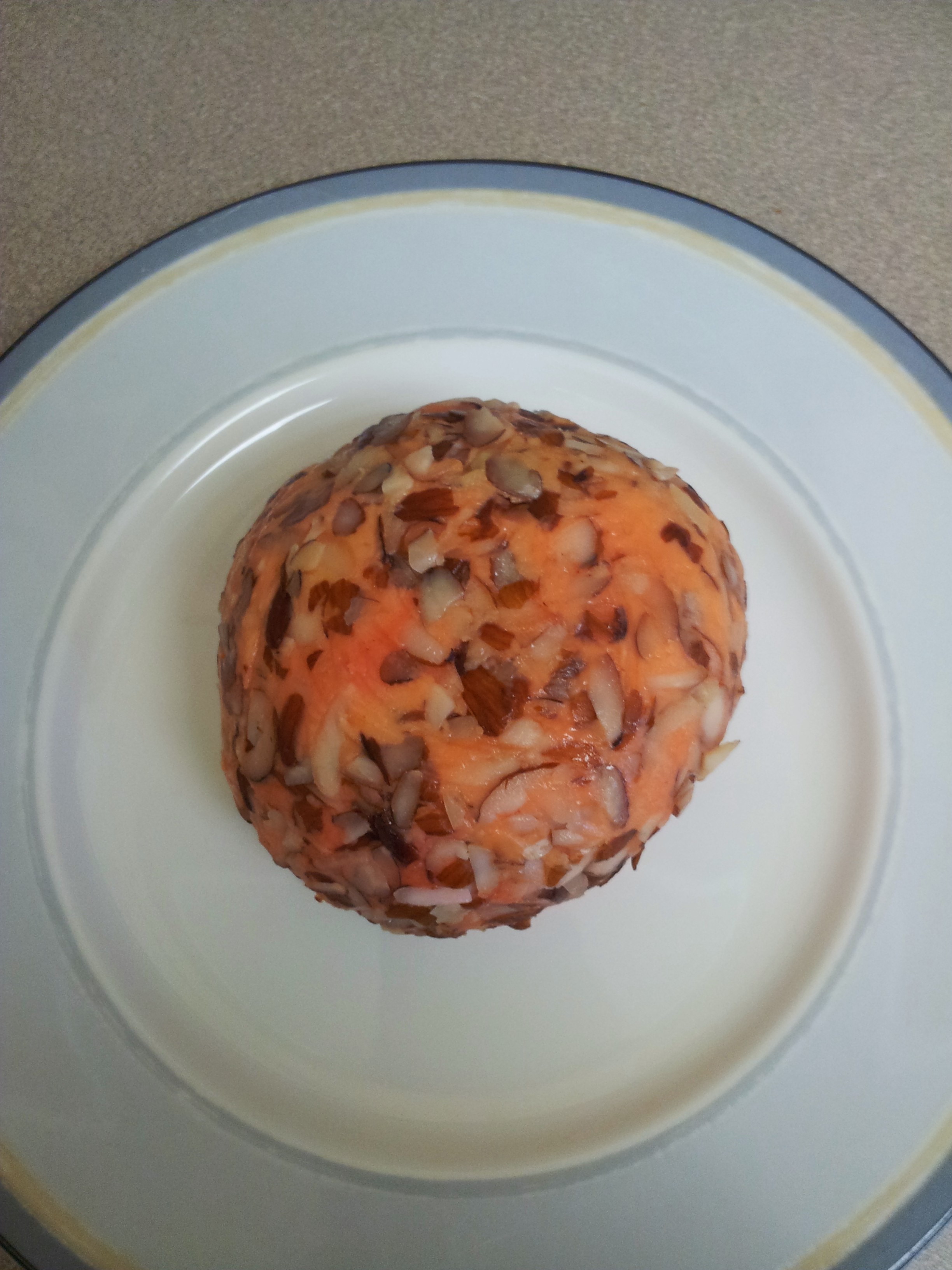
Last week I went to the grocery store, and on a whim, I purchased a cheese ball.

It was a gorgeous cheese ball. Port wine cheese, mottled orange and red, pleasingly symmetrical and encrusted with nuts.

I’ve never purchased a cheese ball before, and I was excited about it. I was looking forward to trying it, especially since I also got these fancy crackers at Trader Joe’s. And as I was dancing with someone that evening, I mentioned my excitement over the cheese ball. Because apparently that’s what I think of as fabulous dance conversation.

“It sounds like you really like cheese,” my partner said.

This is the cheese ball in question.

This is the cheese ball in question.

#

The week before, I had not been feeling the dancing. I’d been really sick, and even though I was better and no longer contagious, I was annoyingly weak and easily fatigued, and my center of balance felt off, which for dancing is particularly unfortunate. And then one of my partners told me THREE times while we were dancing how I’d gotten worse at dancing since the last time we’d danced. I tried to laugh it off the first two times, but by the third time I’d lost all patience (big surprise), so then I was not only tired and weak but also irritated. Not the best night. I went home early and watched Star Trek instead.

And then the next week, I took a lesson before the free dancing period, and I was completely lost for pretty much the entire hour. I was supposed to be learning both how to lead and follow all these different turns, and I’d never really led before, period, and trying to learn both sides at the same time meant I was learning nothing at all because having my focus divided meant I didn’t have enough focus for either side, plus there simply wasn’t enough repetition for me to get it down. By the end of the lesson, I felt like my brain was oozing out of my ears in goo-like fashion.

As I walked off the dance floor afterwards, I realized I had a choice. At that moment, I felt stressed and like a terrible dancer. If I encouraged that feeling, I’d be super tense while I danced, which isn’t good. I’d lose a lot of my connection with my partners, which isn’t good either. And I wouldn’t be having fun, which is definitely not good.

Or I could shake it off to the best of my ability, and believe BY FORCE OF WILL that I was going to have an amazing time dancing that night. I could think of all the other amazing times I’d had, and I could think about how much I love dancing, and I could be happy to see my friends and partners, and I could simply do my best and be okay with that.

I chose option two, and I had a fabulous evening. By getting out of my head and cranking down the perfectionism, I danced better and had a lot more fun. But I could have just as easily have chosen option one and struggled through the evening.

In the end, it came down to my own state of mind. Nothing more, nothing less.

#

Back to the cheese ball. “I’m so excited about it,” I told my partner. “I can’t wait to try it.”

“Wow,” he said. “You must really love cheese.”

“No,” I said. “I really love life.”

Read Full Post »

Facebook is an amazing social tool. I know a lot of us love to hate it, and it has its problems, but we don’t leave for a reason, that reason being its extreme usefulness.

Aside from allowing me to stay in some kind of light touch with people who live far away and giving me a curated set of articles to read, Facebook is the single easiest way I’ve found to grow my local social life. You friend someone and then they invite you to their events, and then you meet people at those events and friend them, and they invite you to their events, and your social circle grows with much less effort on your part than back when you had to wait to be on email address exchange terms to get an invitation. (Or phone number exchange terms, heaven forbid!)

Likewise, I’ve found Facebook to be indispensable for dating. Basically, there are two ways most of the single people I know date. One way is to use internet dating sites: OKCupid is super popular among my friends, but there are a whole slew of sites to choose between. You don’t even have to choose! Some people are on a bunch of them all at once.  (And I guess a corollary of this would be speed dating, which I kind of want to do just because then I could write a hilarious blog post about it, and we’d all have fun with that.)

The other way, the Facebook way, works like this: You go to a social event. Any event where there are people will do; parties are perhaps the most common, but this also works with game nights, group dinners, conventions, classes, dances, etc. You meet another single person and spend some time chatting. Maybe a lot of time. Sometimes they then pull out their phones and add you on Facebook on the spot. Other times you friend each other in the next day or two or three. Regardless, now Facebook is your main point of contact.

Photo Credit: Peter Samis via Compfight cc

Photo Credit: Peter Samis via Compfight cc

“But Amy,” you say, “surely you could exchange phone numbers or email addresses instead!” Yes, you are right. Surely you could, and occasionally you even do. But I’d say ninety percent of the time, you don’t. You friend each other on Facebook. And then maybe you switch to email or texting after that. Maybe. At some point. Or not.

Anyway, now you’re Facebook friends, and you begin messaging back and forth. There may be some banter. At some point the possibility of hanging out in person is discussed. All of this is very casual. After all, this is the exact same way you might go about creating any new friendship. Occasionally someone is very explicit about asking the other person on a date, but more often than not it’s all unspoken subtext. (I know from my Maybe-Date post we all have lots of opinions about this. Regardless, this is in my experience what tends to happen without making deliberate effort to make it happen differently. Not always, but often.)

I was talking to my friend about hipsters because I find the hipster movement fascinating and slightly confusing, and the conversation turned to hipster dating conventions (of course it did). My friend said that for hipsters, it’s all about plausible deniability and avoiding possible embarrassment. I don’t know if my friend is right, but the relaxed technique of hanging out and testing the waters with potential romantic interests happens all the time. And Facebook forms a cornerstone of this strategy.

(Of course, my friend went on to say, “Limbo can continue for months.” Months! Who has the patience for months? I certainly don’t. I’d simply turn my attention elsewhere. But apparently this too is a thing.)

In any case, I would not want to be dating right now without Facebook. It is simply too ubiquitous and useful. Plus I haven’t done any online dating since January because I was so appalled by Creepy Neighbor Guy (met on OKCupid, for those keeping track) that I just got annoyed with the whole thing. So at this point in time my dating prospects are all people I’m meeting first in person, and Facebook is the easiest way to facilitate that.

Of course, Facebook is a convenient way to encourage new friendships and grow existing friendships in general. Dating is just one facet of that. But it’s definitely an interesting part of the Facebook experience!

Read Full Post »

What does it mean to respect yourself?

That is a question one of my friends asked on my last post, and I’ve been thinking about possible answers ever since. I’ve gotten to the point where I have a good idea of what respecting myself feels like, but as it turns out, putting that feeling into words is not without its challenges.

So I took myself off to the Merriam-Webster dictionary, which defines respect as an act of giving particular attention. When we act with respect, we act with consideration. It’s also defined as high or special regard, i.e. esteem. So when we are talking about respecting ourselves, no surprise, we are talking about self-esteem and self-consideration.

It’s hard to talk about self-respect sometimes because we live in a culture in which confidence is sometimes equated with arrogance and self-consideration is sometimes equated with selfishness. And of course, arrogance and selfishness are attitudes that many of us strive to avoid, to the point that we can end up overcompensating. Which is why Matthew McConaughey’s point that it’s easier to respect others when we’re already respecting ourselves is so critical.

I think of self-respect as fostering a relationship with ourselves. Just as we put in a lot of time and effort building our relationships and friendships with other people, so we can put in time and effort into our relationship with ourselves. Getting to know ourselves, and getting to know how to take care of ourselves and what we need to function well are fundamental acts of self-respect.

20150228_161240 (1)

I can’t talk about self-respect without bringing up boundaries. Setting and keeping healthy boundaries is also an act of self-respect. Some people do this so automatically they don’t even have to think about it. And some of us have to practice and do this a lot more explicitly.

It is harder to maintain self-respect (or learn it in the first place) if you spend a lot of time in an environment in which you are not receiving external respect. When you’re with people who don’t value your opinion, your comfort, or your emotional or even physical boundaries, it becomes easy to internalize these attitudes of disrespect. And of course, it’s in these people’s best interests that you do so, as it is perpetuates the dysfunctional system. This is one of the reasons why mindfully choosing the people with whom we spend time and develop intimacy is so important.

What does self-respect mean to me personally? I’ve made a little list.

  • Taking care of my physical needs, such as doing my best to get enough sleep, eat good food when I’m hungry, rest and recover when I’m sick, etc.
  • Taking care of my emotional needs, such as having people in my life with whom I don’t have to pretend when I’m having a hard time, reaching out for support, doing self-care, fostering supportive connections with others, doing activities that make me happy, taking alone time when necessary, etc.
  • Taking care of my mental needs, like engaging in projects that I find challenging and interesting, trying new things, learning, asking questions, having an artistic outlet, etc.
  • Prioritizing my time and energy for people and activities that are generally positive to my well-being.
  • Setting and enforcing appropriate boundaries, and surrounding myself by people who support this.
  • Protecting myself from the disrespectful behavior of others.
  • Taking ultimate responsibility for my decisions, which also means not being too easily swayed by others’ opinions.
  • Embracing who I am and where I come from.
  • Being kind to myself and relaxing my perfectionism as much as possible; recognizing my own humanity and fallibility.
  • Being my own best friend.

What does self-respect mean to you?

Read Full Post »

As long-time readers of my blog might recall, at the end of April every year I write about my mother as a way to remember the anniversary of her death.

I was kind of on the fence about writing about her this year. I didn’t really know what I wanted to say. It’s been a long time.

It’s interesting because after someone dies, it doesn’t mean your relationship with them comes to a full stop. You still carry on with it, only it exists in your own head instead of in the outside world, for the most part. Anyway, my relationship with my mom has been a bit turbulent this last year. I think that’s a good thing, but it does leave me feeling a bit more ambivalent than I might otherwise feel.

But then I got an email this afternoon announcing the sudden death of a colleague of mine. She was fine, in good health. I saw her two weeks ago. She was hit by a bike while taking a walk one morning early this week, and she received a head injury, and that was it. She never woke up.

I don’t want to offer you platitudes. I don’t want to offer myself those platitudes either.

Sudden death, or really any kind of death, makes you consider what is actually important.

IMG_1771

Living every day as though it’s your last sounds great but is really bad advice. We can’t actually do that. If you think about an agrarian society, for example, if everyone lived as if today was the last day, no one would bother to work the fields. Why would they? And then everyone would starve to death unless they lived in the type of climate where you can gather enough on a day-to-day basis to survive.

In other words, living every day as if it’s the last limits focus too severely.

But you can think about what matters to you and try to spend at least some time and focus on that every day. Sometimes it might only be a little bit. Sometimes it might be more.

The trick is, we don’t want to subsume ourselves to the fear of loss. We don’t want to become the captive to the idea that there might not be a tomorrow, that today is everything, that failures can’t be followed by successes, that there will never be another chance, that if you don’t give everything today, you may lose what you care about tomorrow. The fear of death can keep you so tightly in a cage.

So where does that leave us?

I was talking to my friend on the phone today, and I asked him what I should write about for this blog post. He gamely came up with a bunch of ideas, all of which I rejected, and we went on to talk about other things. And of course, it’s one of those other things I would like to write about.

We were talking about Matthew McConaughey’s Oscar acceptance speech last year. I hadn’t seen it, but after hearing my friend talk about how it had been a little bit out there, I checked it out after I got off the phone. I don’t want to talk about the part of the speech that was out there, though. I want to talk about something he said before that part.

He said he wanted to thank his mother because she had taught him and his brothers to respect themselves. And he’s realized that respecting himself made it a lot easier to respect others.

Yes.

So today that’s what I have for you. Love, yes, Connection, yes. But also one way to achieve those things in a healthy way: respect. Self respect first, and then from a true respect that lives deep within us will come respect for those around us. And with respect comes empathy and kindness and empowerment. That’s what I think is important.

I wish my mother had taught me that, the way Matthew McConaughey’s mother taught him. But she didn’t, and that’s okay. Luckily we can search for other teachers, and sometimes we can teach ourselves things instead. And here we are.

We can’t determine how long we get to live. And we can’t control how long the people around us get to live either. But for me, trying to cultivate inner respect is a way out of the trap that is fear, and then I can focus on how I really want to be living for the time I do have.

Happy April, Mom. Thanks for this time.

Read Full Post »

Yes, I know “nobody” talks on the phone anymore. Somewhere along the way it became trendy to have phones that work poorly as phones, and we really only need to communicate in text-based ways anyway, and I’m a writer so this is all to my benefit. But haven’t we all been part of a frustrating text-based communication string that takes forever and would have taken three or less minutes to clear up over the phone? Haven’t we?

The truth is, I was never one of the people who hated talking on the phone. Sure, given the choice, I’ve always preferred face-to-face, but back in the day the phone was a useful tool for staying in touch, and I used it that way. I wasn’t one of those people whose ear was permanently glued to my receiver, but I did spend some non-business-related time on the phone. Until everyone stopped using the phone, and the mere idea began to feel…weird.

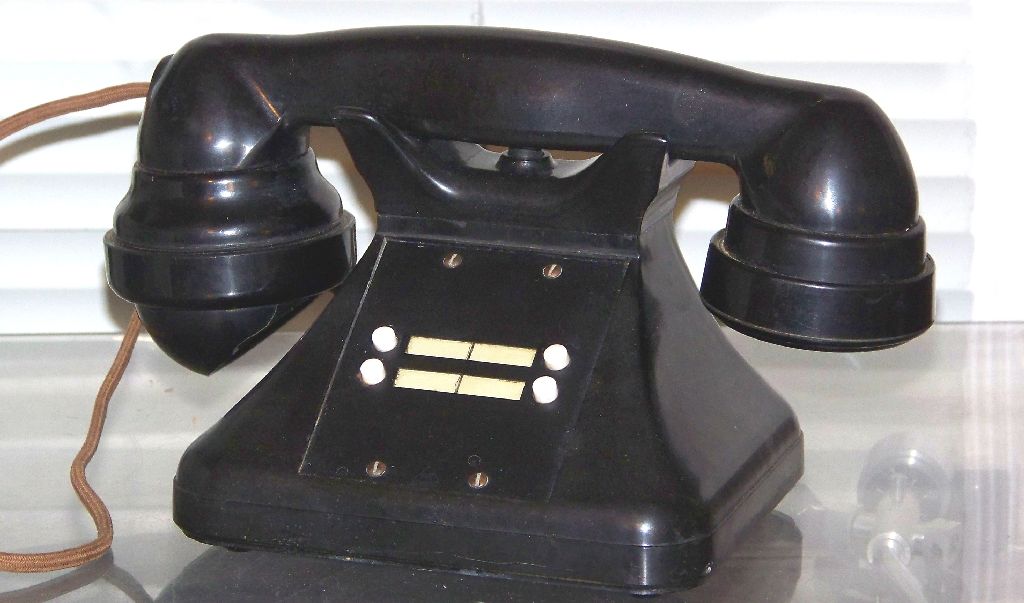
Photo Credit: alexkerhead via Compfight cc

Old School! Photo Credit: alexkerhead via Compfight cc

Now, I’m not saying there aren’t plenty of communications that are much more convenient and effective via email or text or choose-your-text-based-method-of-choice. And I don’t want to go back to the days when there were fewer options (those options being telephone, snail mail, or knocking on my friend’s door and asking if they could play).

But I realized recently that just like with snail mail, for me telephone calls have gained a certain kind of cachet because they happen more rarely. Meaning, they’re more likely to feel SPECIAL.

When I finished my novel a couple of weeks ago, I was having a great time texting and messaging a bunch of friends to celebrate. One friend responded by calling me up, and I have to say, that made my day.

Last month I got a text from a friend that mentioned crying. I instantly called him up. Next best thing to being able to be there in person.

One of my good friends phones me up for a chat every week or so. We’re both busy people, and we can’t always find time to see each other, and even when we do, we’re often going to group events together and such. But finding twenty or thirty minutes to talk is usually doable, and our phone chats allow us to stay up-to-date with the personal details of each other’s lives.

Honestly I like the phone for the same reason I like Skype; talking on the phone doesn’t strip away as many cues as text-only does. With Skype, I still get all (or at least most) of the body language. With phone calls, I miss most of those, but at least I get tone of voice and intonation. I use emoticons and exclamation points and asterisks and capital letters liberally in text to give it some of the same nuance as speaking, but honestly, there’s only so much I can do.

I still don’t call people on the phone a lot myself. There’s so many people who hate talking on the phone that it feels like a potential minefield. So I tend to save it for those moments when it will potentially make a big difference, when a friend is celebrating or struggling, or when I am.

But sometimes I think a phone call is exactly the right thing to do.

Read Full Post »

I really like stories. No surprise there. And as I collect my own stories about dating and hear other people’s stories, I’ve developed certain opinions. I don’t want to call them guidelines because your mileage may vary. But they are things that, based purely on anecdotal evidence, appear to be helpful or true or, at the very least, entertaining to think about.

I’ve decided to call this series the Dating Beat. So without further ado, here we go:

1. Have single friends.

I’m not saying you can’t also have non-single friends. Assumedly you would even if you were starting from scratch, since at some point some of your single friends will become not single anymore. I’m also not saying you shouldn’t talk to your non-single friends about dating or being single or whatever else.

But having some single friends is key. I don’t think their gender or orientation or age necessarily matter very much. It’s the singleness that is important. (Well, that, and ideally having more than one, so that when one of them finds a significant other, you still have single friends.)

Why? Because having single friends normalizes the experience of being single. There are a lot of single people in the world, but if you are constantly surrounded by people who are in romantic relationships, it can be easy to lose sight of that fact. And in a culture that often places pressure on single people, this normalization is especially important for maintaining a healthy outlook.

And it doesn’t hurt to have people who are dating right now with whom to swap stories, get advice, and share those moments of dating suckitude.

Photo Credit: sidehike via Compfight cc

Photo Credit: sidehike via Compfight cc

2. When someone you have recently started dating tells you something less than complimentary about themselves, believe them.

You know what I mean, right? There’s that moment when the guy says, “I’m trouble.” And guess what. He probably is! Or she says, “I’m not very good at relationships.” She probably isn’t!

Other statements that fall under this category:

  • I’m not very good with people.
  • I have trouble with commitment.
  • You’d be better off without me.
  • I tend to hurt the people I love.
  • I’m usually thinking about the next thing I’m going to say instead of listening.
  • I break a lot of hearts.

So, okay, yes, context matters. But usually when people say these kinds of things, they are telling the truth. Unfortunately, what happens next is often that the person they’re with doesn’t take the statement seriously, or feels badly for them, or takes it as a challenge, or thinks they will be different.

You’re probably not going to be different. And compassion is great and all, but not at your own expense. Yes, some of these things might be said because of low self-esteem or inexperience. And maybe some of them aren’t a big deal to you. But at the very least they give you an inkling of what you can expect in the future. It’s all data, and you get to decide what, if anything, to do with it. And if you don’t want to deal with it, there is absolutely no shame in not continuing to date the person.

And that is the dating beat for today, my friends.

Read Full Post »

I’m sitting in a darkened theater, and Act 2 is about to begin. This is one of my favorite plays, I haven’t seen it in years, and it is even better than I remembered. By the end of the play, I will almost be in tears. And a wave of gratitude washes over me, that this is my life, that I get to see live theater with friends who also appreciate it, that I’m sitting here now, and I am happy.

#

I’ve been dancing in a new venue for the last hour, and now I’m sitting cross-legged on the hard wooden floor, listening to the event organizer speak. He is talking about the importance of the community and the importance of being cognizant of boundaries while dancing, particularly with newcomers to the community (that would be me). I feel such a sense of rightness, that here I am doing this new thing I love, and it fosters a community that first of all, talks about boundaries at all, and that does so in such a respectful and thoughtful way. And I am happy.

#

I’m writing a new novel, and I’m having the best time. I sit down with my laptop, and I watch as I slowly add words and the story takes shape. I have no idea how good it is, or even if it’s any good at all, but one of the joys of the rough draft is that I kind of don’t have to care. I have to write my words. I have to meet my goals. I can worry about “good enough” at a later date. But right now I get to live in London again, and I get to become acquainted with gargoyles and ghosts and girls who won’t grow up, and I am so very happy.

#

A few months ago, here is what I told myself. Nothing in my life was blowing up. I’d already mostly decided not to move. I’d cut out as much drama as I could, and finally there was some space. The book was going fine. Nala was fine. I was fine. And I said to myself, “Now. Now is your chance to make your life as amazing as possible and see what happens. See if you can do it. See what that looks like. Now. This is your time. Try really hard not to take on anybody else’s stuff, take care of yourself, do what you need to do, and go shine as brightly as you want.”

My theme songs for this period, as anyone who follows me on Twitter and many more who don’t already know, are Taylor Swift’s “Shake It Off” and the Presidents of the United States of America’s “Peaches.” Yeah, I’m not entirely sure either, but they’ve set the tone nicely. So, whatever works.

And what does this now time of mine look like? Not so unexpected perhaps. Lots of writing and more writing, singing and piano playing, walks with Nala, dancing dancing dancing, theater and concert going, reading, and Star Trek, along with the occasional game. Baking and good food and quality time with friends. My ankle is doing well enough that I might be able to throw in some longer walks or hikes, which is pretty exciting. I’ve been meeting a lot of new people, not because I’m trying all that hard to do so, but because they seem to keep appearing, and many of them have been a privilege to meet.

It’s not all simple and easy and perfect; this is real life, after all. I’ve also been sick and tired and very sore because dancing, and I’ve had setbacks and disappointments, and I’ve made mistakes. Sometimes the world can be an ugly place, and sometimes it can be a complicated place.

But I keep having this very particular type of happiness sneak up on me. It doesn’t seem to matter what I’m doing at the time, but all of a sudden I’ll stop and think, “Oh. This is my life.” And I’ll feel this mixture of gratitude and relief and happiness, that I get to have this chance, that I get to do this work, that I get to know these people. That I get this time.

I think I look pretty happy here. (Photo by Christie Yant)

I think I look pretty happy here. (Photo by Christie Yant)

My friend told me my post last week about friendship was mushy, which yeah, I knew that, and I think this one probably is too. I know, but I kind of can’t help it. All I can say is it’s a very genuine mushiness. I doubt that makes it much more palatable, but it’s all I’ve got for you. Happiness is kind of mushy. I am a huge musical theater geek, which I’m pretty sure is good evidence all by itself that I can be kind of mushy. And apparently I’m willing to spread on the mush.

I also think sometimes it’s easy to only write about the problems, the dark places, the sturm and drang, and all that. And these are all important things to talk about. I’m going to keep talking about them.

But sometimes I want to let you know that the happiness, it is here too.

Read Full Post »

What Makes a Good Friend?

I hung out with one of my close friends last night. I hadn’t seen him in a while because I’d been sick, and then more sick, and then he’d been out of town. We sat on my couch for a few hours, catching up, swapping stories, and possibly consuming a sugary substance. And when he left I realized us hanging out had been like taking a nice big gulp of fresh air.

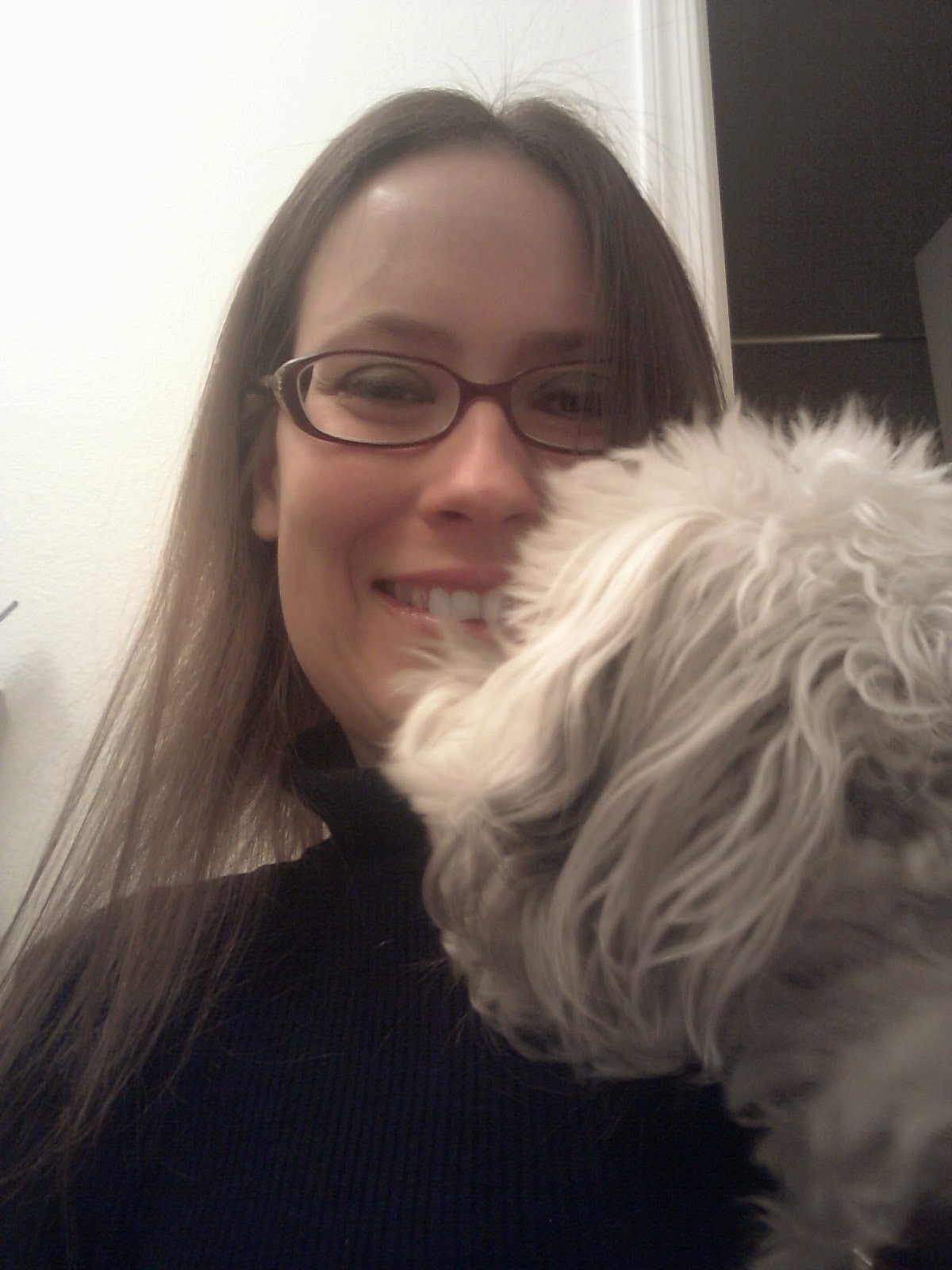
I was going to post a photo with human friends, but then I didn't want to leave anybody out, so here is me with my best dog friend instead.

I was going to post a photo with human friends, but then I didn’t want to leave anybody out, so here is me with my best dog friend instead.

There’s something special about good friends. They make us feel more connected, more grounded, and more known. So I’m taking a moment out to appreciate all the awesomeness that is a good friend.

  1. A good friend sometimes contacts you, out of the blue, just because.
  2. A good friend will sometimes let you pick where you’re going to eat, like when you’ve been having a sushi craving for the last week and a half or a peanut butter pie craving forever.
  3. A good friend lets you tell a weird story that kind of doesn’t have any point but is also kind of interesting. Hopefully.
  4. A good friend respects you and your opinion.
  5. A good friend listens.
  6. A good friend calls you on your bs.
  7. A good friend participates in your annual birthday week glut of celebrations with good humor.
  8. A good friend doesn’t mind when you call them up crying.
  9. A good friend talks to you about their life: their excitements and their problems and their thoughts and their hopes.
  10. A good friend asks you about your life too.
  11. A good friend celebrates with you when something happy happens and comforts you when something sad happens.
  12. A good friend doesn’t judge so you can relax and really be yourself.
  13. A good friend tells you when something is wrong.
  14. A good friend doesn’t make you feel bad for feeling how you feel. But a good friend also helps you stop wallowing.
  15. A good friend can tell when you’re interested in someone even when you weren’t intending to talk about that.
  16. A good friend knows you aren’t perfect and likes you anyway.
  17. A good friend takes an interest in your dog just because they know how much you love her.
  18. A good friend asks about your book. But they don’t ask how the agent hunt is going because they know you’d tell them if there was anything interesting to tell.
  19. A good friend laughs with you. A lot.
  20. A good friend understands when you have to say no.
  21. A good friend knows how to empathize.
  22. A good friend knows how to have fun.
  23. A good friend can geek out with you about whatever you both love: Star Trek, or Settlers of Catan, or Orphan Black, or dancing, or London, or baking cookies, or something else.
  24. A good friend believes in you.
  25. A good friend sometimes offers to bring you soup when you’re sick. Or tissues. Or cough medicine.
  26. A good friend tells you how much you mean to them.
  27. A good friend allows you to be silly. Even very silly.
  28. A good friend doesn’t push you when you don’t want to talk about something.
  29. A good friend lets you make your own decisions.
  30. A good friend knows who you are.

What does being a good friend mean to you?

Read Full Post »

Don’t rock the boat, Amy.

That is the message with which I was raised. Lie low, don’t make trouble, stay quiet, pretend what’s happening isn’t really happening. At all costs, please people. Make them like you, or at least make them not notice you exist. Same difference.

Don’t rock the boat, Amy.

Which is perhaps why I find the implications behind the #KeepYAKind campaign so disturbing.

Quick recap: A critically acclaimed YA writer said a troubling and sexist thing in a public interview. Several critics have said that this writer’s portrayal of female characters leaves something to be desired. I have not read his work. (I was supposed to back in January, actually, as his latest critically acclaimed novel was a book club selection, but because I had heard of its problems, I decided to sit out that month. Life is too short, and I have way too many books to read.) As a result of this public interview, there was a public conversation about the problematic nature of this writer’s public comments and his work. There may or may not have been inappropriate behavior (aka harassment and bullying) towards this writer. I haven’t seen any evidence of it myself, but I didn’t spend a lot of time looking for it. #KeepYAKind was a Twitter campaign aimed at stopping the public criticism and conversation. The Booksmugglers write in more detail about it all.

Don’t rock the boat, Amy.

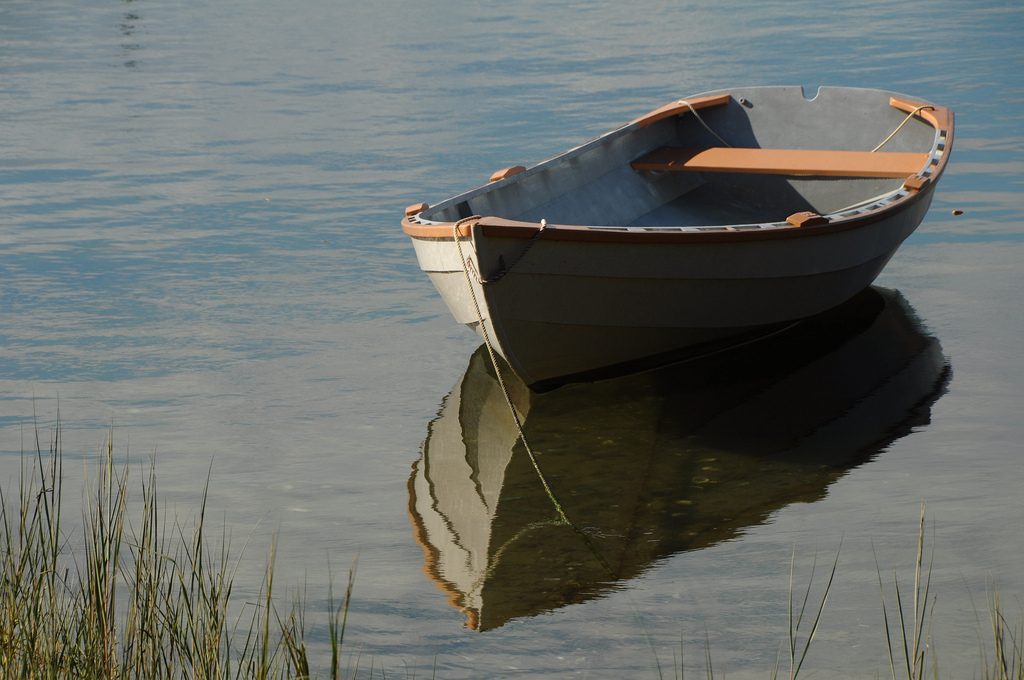
Photo Credit: Putneypics via Compfight cc

Photo Credit: Putneypics via Compfight cc

It is easy to imagine that whoever started #KeepYAKind had the best of intentions. We all like kindness, right? We don’t want to live and work in a community that supports bullying, do we? Of course we don’t.

The problem with #KeepYAKind is that, like many things on the internet, it lacks nuance. It distracts the focus from one problem–sexism in the publishing industry and YA fiction–and puts it on another problem. And it does so in a muddied way that, whether intentionally or not, works to shut down the conversation about sexism. In such a way it defends the status quo. It says, “Be quiet, women. You’re not allowed to talk about this problem because it isn’t nice.”

No, it isn’t nice. That is the entire point. Sexism isn’t nice. Being seen as a mysterious creature who is stranger and less fathomable than a giant alien insect isn’t nice. Being told not to discuss problematic things in fiction, even if you are a professional reviewer and THAT IS YOUR JOB, isn’t nice. (And, I mean, shouldn’t we all be allowed to discuss problematic things in fiction? I think so.)

But don’t rock the boat. Never mind that it’s sprung a leak or ten.

Whenever I see #KeepYAKind, I think #KeepYANice. Nice is don’t rock the boat. Nice is be a doormat, don’t stand up, don’t enforce your boundaries, don’t speak up when there’s a problem. Nice is not expressing an opinion that might be uncomfortable or difficult or controversial.

#KeepYAKind ignores the reality that sometimes the obvious act of kindness is not the best nor correct nor sustainable thing to do. Amy of a few years ago would have been shocked that I’m saying that, but I sincerely believe it to be true. Kindness is great, but sometimes you have to protect yourself. Sometimes you have to stand up for yourself. Sometimes you have to stand up for other people too.

Sometimes you have to point out things that are problematic. Sometimes it’s your job to review and analyze a novel or a play or a movie, in which case it is certainly not your job to be kind. It is your job to be insightful and to shed light. It is your job to tell us your opinion. And some people are going to think publicly discussing a negative opinion isn’t very kind either. That’s their prerogative. It doesn’t change the job of those of us who analyze culture and media and society. We aren’t here to sugarcoat. We are here to talk about the things that need to be talked about.

Don’t rock the boat, Amy.

Someone told me recently that acknowledging problematic stuff gives it power. I couldn’t disagree more. Because when we aren’t allowed to acknowledge that something is going on, then nothing will ever change. The problem remains invisible. The status quo is effortlessly maintained. And when everyone is working together to pretend the problem doesn’t exist, it makes us begin to question ourselves, spending our energy on feelings of confusion and isolation instead of on positive change. Keeping busy ignoring a problem DOES NOT MAKE IT GO AWAY. I know some people think it does. I tend to not get along very well with those people.

Now, maybe this writer truly is a very nice guy. From all accounts, he is. And I have compassion for him, because saying something stupid in a public interview and then having the internet fall on your head can’t be very pleasant. Having to really deeply think about the fact that you find giant grasshopper aliens to be less mysterious than women can’t be very pleasant either. And I’m sure some people made disparaging remarks and the like, and that sucks. The internet kind of sucks. Being a public figure kind of sucks.

But we are still accountable, as artists and writers and human beings, for the words we say and the work we create. And that sucks too. It is hard to hold yourself accountable and still be brave enough to create. It’s hard to be an artist knowing you’ll screw up and make mistakes and probably say something really stupid in public someday. It’s hard to admit that perfection is not achievable, and that all we can do is the best we can, and then try to keep learning. It’s hard to realize that our work can be part of the problem, even if we had the very best of intentions.

But that doesn’t mean we should stop talking about the problems in our literature and our pop culture and our society. That doesn’t mean we should stop thinking critically. That doesn’t mean we should look away when there’s a problem, burying our collective heads in the sand. It takes a lot of bravery to be an artist, and it also takes a lot of bravery to acknowledge a problem when it exists so we can work toward increased awareness and change. Both of these roles are important.

Don’t rock the boat? Whatever. I’ve already flipped the damn thing over.

Read Full Post »

« Newer Posts - Older Posts »