Feeds:
Posts
Comments

Posts Tagged ‘priorities’

I’ve been going through a bunch of my boxes of old memorabilia, trying to consolidate and store stuff in boxes that aren’t collapsing from age. It has proven to be a fascinating experience–albeit an allergy-inducing one–punctuated by shrieks whenever I come across an unexpected bug. Good times, good times.

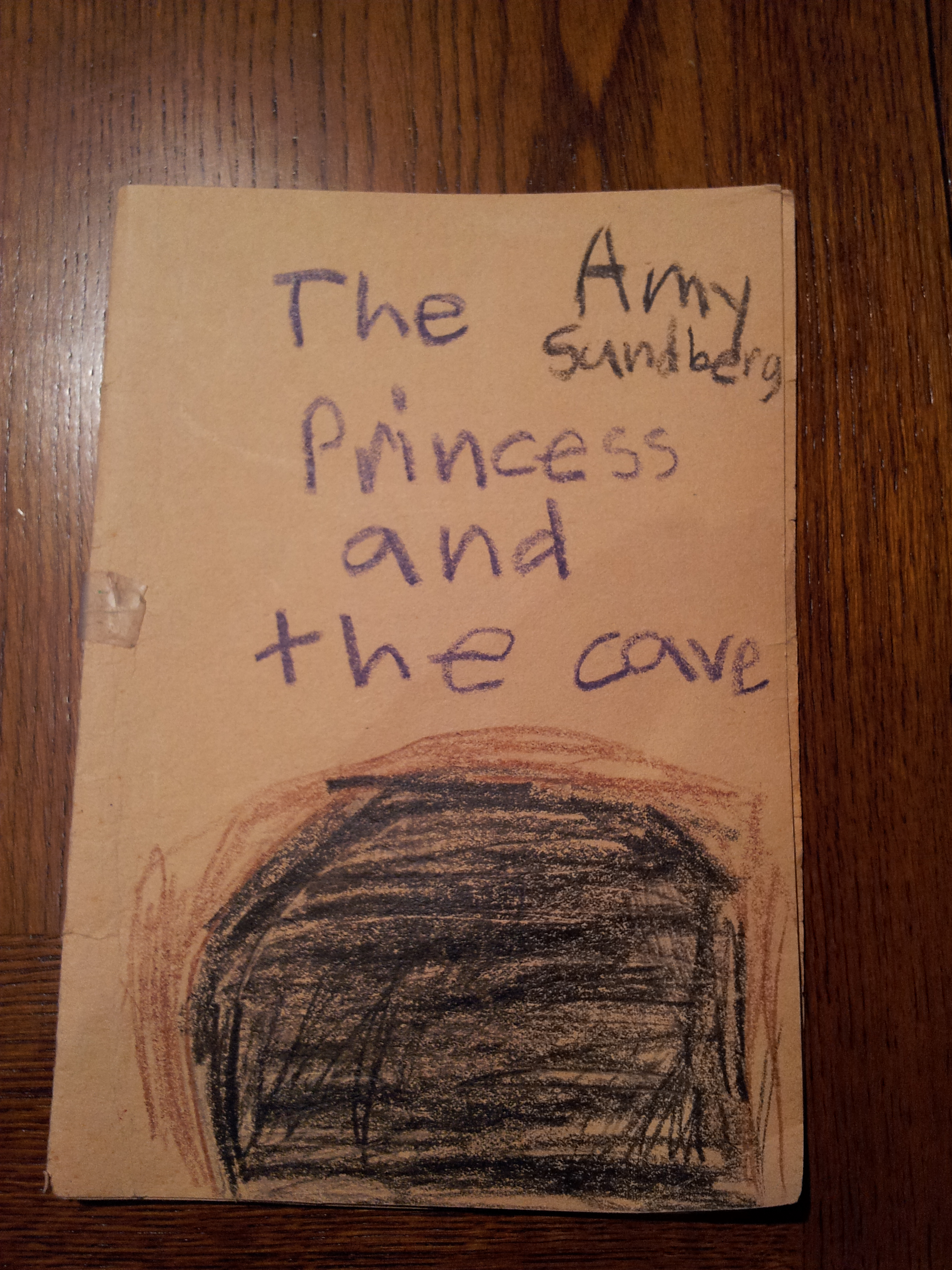
In the excavation process, I found something I thought was lost in the mists of time forever: my first book. Written when I was seven years old, it is called “The Princess and the Cave” and reflects my undying love for fairy tales, and also probably for The Princess and the Goblin, which I believe I’d read shortly before writing my own story. Here is the cover:
The Princess and the Cave

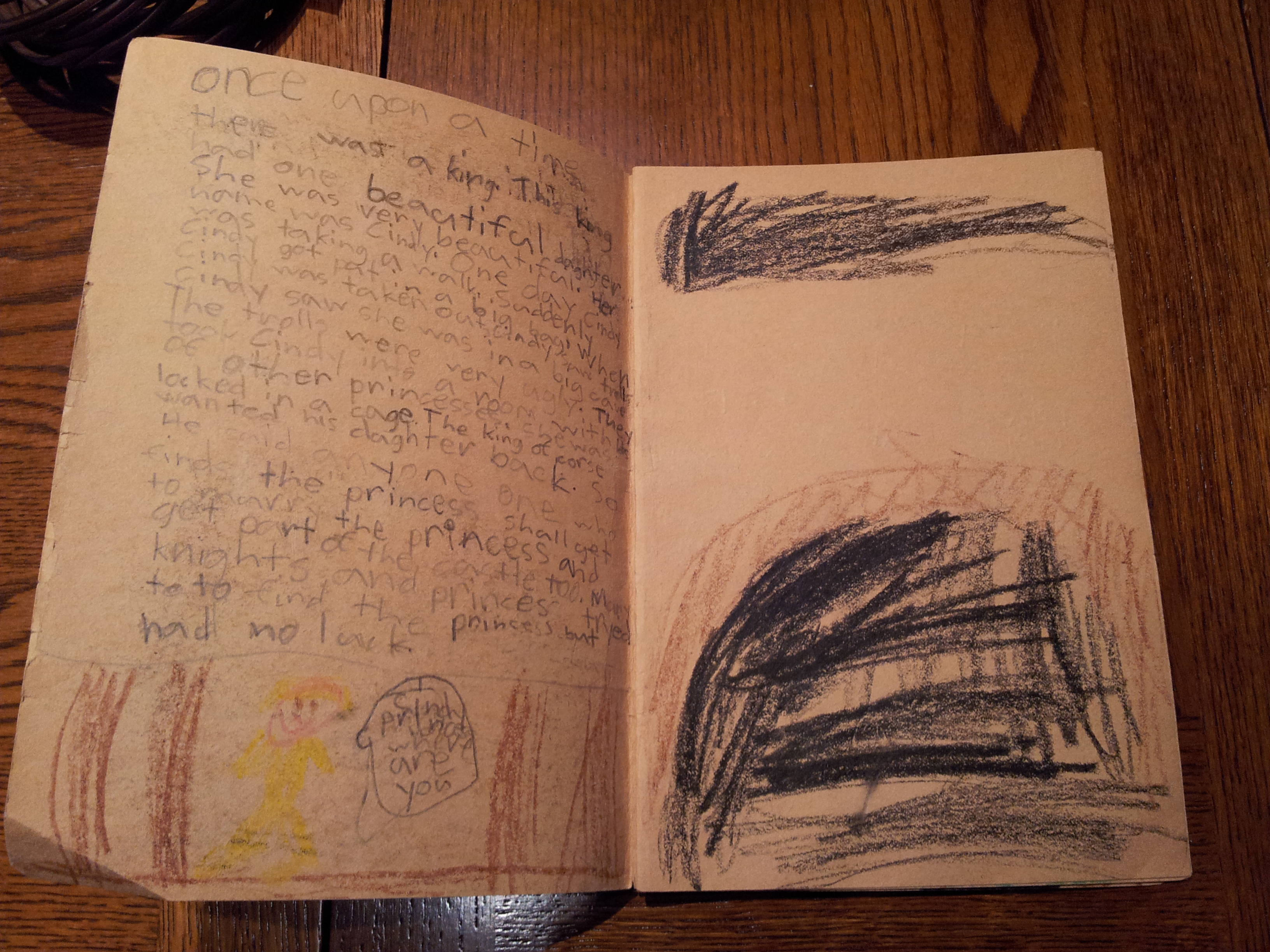
 And here is a taste of the artwork inside:
Amy's cave drawing

We can see two things from these photos: first, that I was fascinated with the idea of caves, and second, that it’s not surprising I didn’t go on to have a career in the visual arts.

I loved writing “The Princess and the Cave” so much that I promptly sat down and wrote a second book:
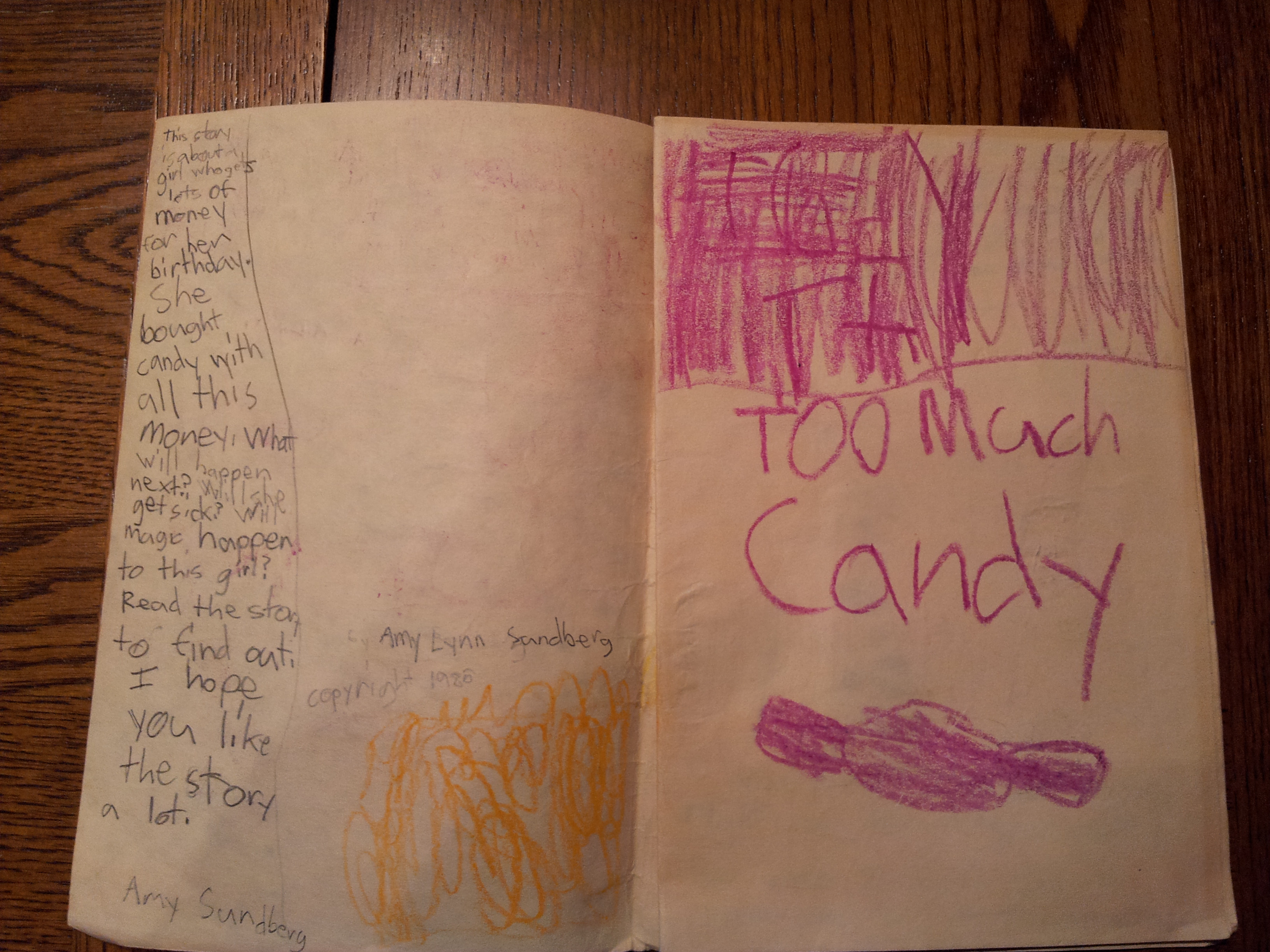
Too Much CandyI find these books to be noteworthy because it was when I was writing them for a classroom assignment that I understood that the books I loved to read were actually, really truly written by other people. And I decided that when I grew up, I wanted to be an author.

I never changed my mind. I decided I wanted to be a musician too, and I devoted many years of my life to primarily focusing on music. But even then, I was writing bad poetry or memoirs or short stories or lyrics or the book of a musical. And I always held onto the idea in the back of the mind that one thing I wanted to accomplish in my lifetime was to write a novel. I thought I might not do it until I was fifty (I’m glad I was wrong about that), but it was always a part of my vision for my life.

Having a vision for our lives can be so powerful, whether the vision was formed when we were seven or it’s brand new. A vision can give us purpose and direction, something to aim towards as we make the decisions that shape our lives. And in times of change, it’s the powerful vision of what we’re striving for that carries us through. I’m not talking so much about visualizing what we want, which some research shows actually makes us less effective at carrying out our plans. Rather, I’m talking about knowing what we want (or learning what we want if we don’t already know) and believing it could become a reality.

We can become so limited by what we believe to be impossible. Obviously we aren’t capable of every thing under the sun, and sometimes we don’t want to set the corresponding priorities or make the sacrifices necessary to make something possible, and that’s fine. That’s different than experiencing a failure of imagination, imagination being the capacity that perhaps allows us to have vision in the first place. We get to choose our vision, after all. But we can become stifled by a narrow view, or by exhaustion, or by fear.  We can forget that so many amazing dreams are worthwhile not so much because of the end result (although that can be quite nice, of course) but because of the journey we take to follow them.

Do you have a vision for your life?
 

Read Full Post »

Here’s a new word I learned recently. I found it on Jonathan Carroll’s Facebook page, and he found it on this neat Tumblr. As is often the case for me, I’m not completely sure how to pronounce it. But I love it all the same.

Metanoia – the journey of changing one’s mind, heart, self, or way of life

At a party this weekend, someone asked me what I’d been thinking about lately. I was momentarily flummoxed because I’ve been so busy and preoccupied, I don’t feel like I’ve been thinking as much as I normally do. But now, a few days later, I realize the best answer would have been, “I’ve been thinking about metanoia.” Because really, I’ve spent a lot of time thinking about self change over the past few years.

At its heart, metanoia involves crystallizing priorities and learning to know yourself as well as possible. It’s hard to change something when you don’t understand what’s there to begin with. Strangely, it sometimes feels more like remembering than anything else. Remembering who you are, and remembering who you’ve always been. That knowledge becomes the starting point for whatever change you wish to create.

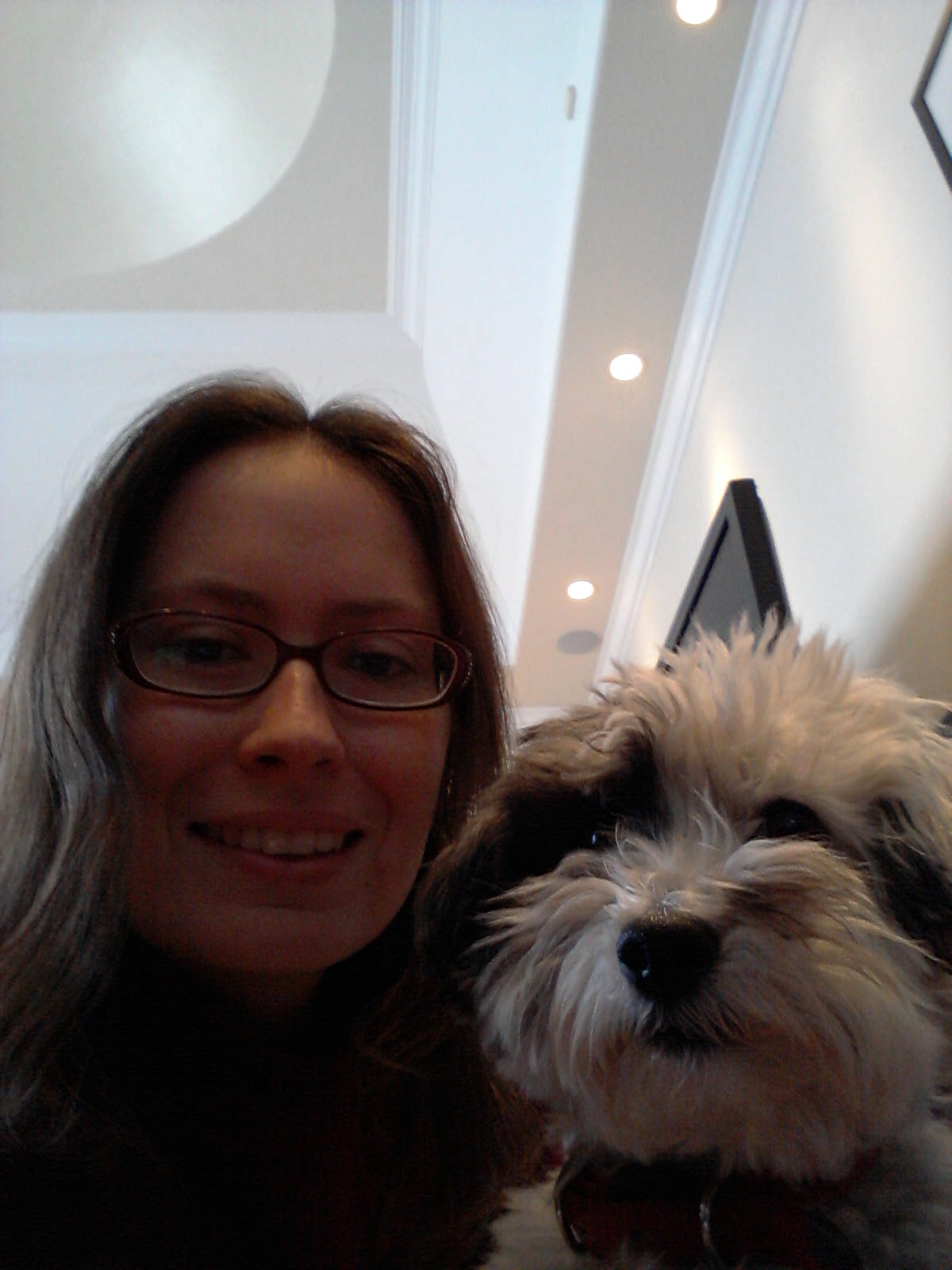
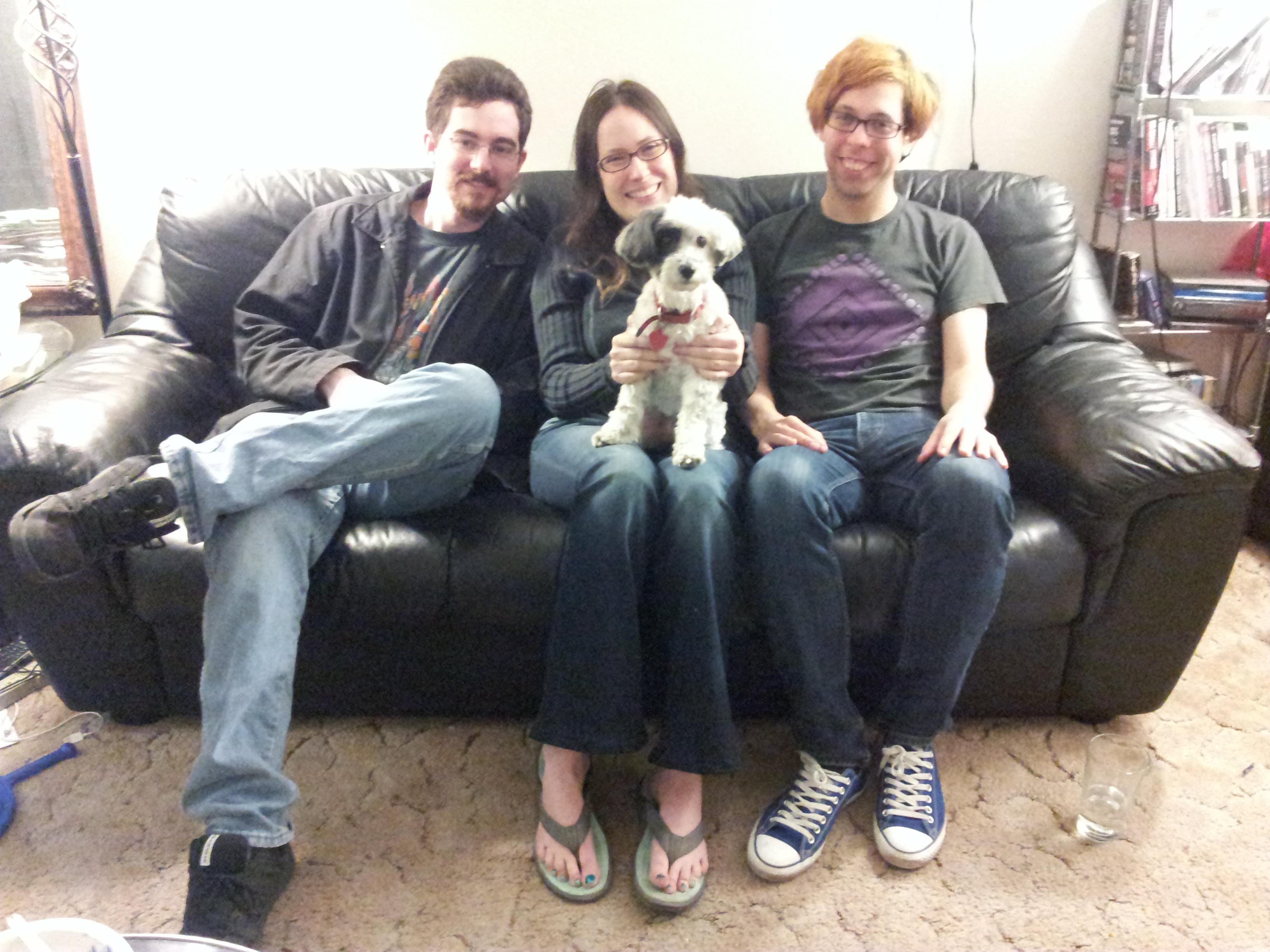
Surrounded by three of my dearest friends, I am very much myself.

Surrounded by three of my dearest friends, I am very much myself.

“Remember who you are.” That was my advice to a friend of mine this weekend, the only words I had to offer. It’s so important, isn’t it? Because without that, we can become so very lost or muddled or distracted. And we worry about what happened before and what is going to happen later and we compare ourselves to other people and measure ourselves against other people’s visions of who we are, instead of remembering that other people have nothing to do with our essential knowledge of ourselves. Good people can help support us while we take the journey, but it’s a discovery we must make on our own.

So metanoia is essentially taking yourself by the hand and saying, “Hello, you. Let’s take a walk down by the stream and lay down on the mossy bank and talk for hours and hours. And I will do my very best to listen carefully to what you have to say. I will listen to the good parts, the parts that make your heart soar and your body sing and your mind dance. And I will listen to the dark parts, the parts that are difficult and scary and secret and that you maybe wish weren’t true. And I will love you for all those parts, even the parts that I want to change, and then together we can decide where we want to go next.”

Remember who you are, my friends. Treat that knowledge like the precious thing it is.

Read Full Post »

Sometimes we fool ourselves into thinking we can have it all, but we can’t.

That’s really what priorities are all about. If we could have it all, we wouldn’t have to set priorities because we could do all the things. We’d have infinite resources: enough money to pay for life’s necessities and that trip to Bali and five new outfits and front row seats on Broadway. Enough time for a demanding career and friends and a relationship and a second job and kids and pets and vacations and hobbies and volunteering. Enough energy and brain space to keep track of it all.

The media tells us stories about how we can have it all. But the media lies. Penelope Trunk has written a few essays recently about high-powered career women–using Marissa Meyer and Sheryl Sandberg as her examples–and how they don’t ever see their kids. Because in order to be that high-powered, it’s necessary to work something like 100-hour weeks. That’s more than fourteen hours every day of the week. So really, there’s very little time for anything else. My first instinct is to think, wow, those two women are among the most important in the Silicon Valley, and they have kids too, so they really do have it all. But they don’t. They’ve set priorities that have led them to where they are, and priorities always involve a trade-off.

  How many hours a day do you think she practices?                                                                                     Photo Credit: Melissa Maples via Compfight cc

It’s so much sexier to talk about priorities in terms of what you can accomplish with them, as opposed to what you have to give up. But the accomplishment and sacrifice come together. Do you remember that movie from the ‘80s, The Competition? It followed a group of professional pianists through a concerto competition, and it shows this idea so clearly. All of these pianists are so talented and accomplished, and in order to be excelling at such a high level, their lives consist almost entirely of practice and music and more practice and their coaches and travel and practice. One of the main plotlines is about how the two protagonists are reluctant to have a romantic affair together because it will take away from the necessary focus and drive to win the competition.

Priorities are set based on how much we want something, but they are also set based on what we’re willing to do without. You’re willing to not have much of a normal social life? Then you can be a concert pianist. You’re willing to not see your kids very often? Then you can be a high-powered CEO. Most of us don’t have choices that are quite as extreme, but the core principle remains the same.

We often forget the trade-offs other people are making. People used to think I was really lucky to be working only part-time at my music teaching business. And I felt very lucky. I was doing work I loved and felt made a difference, and I had time to spare for my personal creative projects. But I was also constantly worried about money and the sustainability of my business model as the price of living kept increasing. I didn’t have a company behind me that provided paid sick days and cheap health insurance and retirement matching. The worry and the skimping were worth it to me in order to have a life focused on artistic pursuits, but I was very aware of the choice I was making. And everyone has made similar compromises somewhere along the line.

We can’t have it all. Nobody can, and that’s okay, as long as we don’t buy into the myth. What’s fabulous is that we get to decide what is most important to us and make our life choices accordingly. We don’t need to have it all in order to lead happy and fulfilled lives. We just need to understand where our priorities lie.

Read Full Post »

You know how people say that as you get older, you stop changing? They see the teens and early twenties as this turbulent time as you explore and establish who you are, and then your identity is set, and you are who you are.

This idea of selfhood has always disturbed me. I have never wanted to become set. I enjoy playing with identity, whether it is through writing characters, wearing clothes and costumes, playing RPGs, or acting on the stage. I like thinking about why I do what I do, and why people in general do what they do, and what influence society and families and past experience has on our emotions and decisions and worldviews.

But recently (and by recently, I mean ten minutes ago), I realized my own relationship with identity is more complex than that. Because I do believe there is an unchanging core of myself, of Amyness, that has existed as far back as I have memory. Just as I can look at old photographs of myself and see my current face in the chubby cheeks of two-year-old Amy, in the gawkiness of nine-year-old Amy, behind the huge glasses of teenaged Amy, so I can feel an ongoing sense of self that has persisted throughout my lifetime.

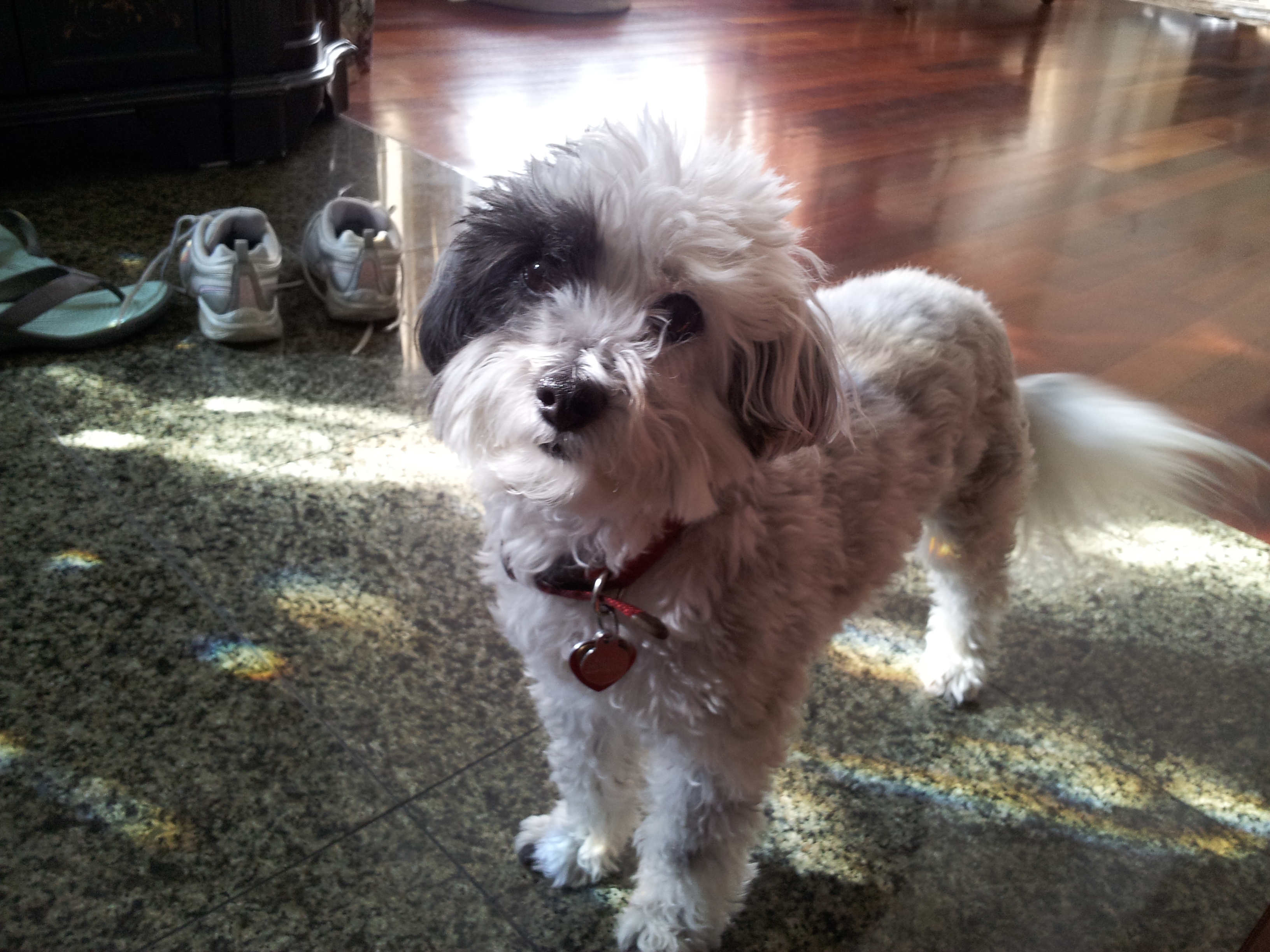
Yes, the title of this post might be a thinly veiled excuse for a cute dog photo.

Yes, the title of this post might be a thinly veiled excuse for a cute dog photo.

My friend Rahul wrote in one of his excellent essays: “I wonder if individuality is something that deepens in you when you start to live purposefully.” To come at the same idea from a slightly different direction, I think that through life, we can grow in ways that bring out and express our own individuality with greater strength and clarity. And these changes that we can make that allow ourselves to shine out ever brighter, these changes are what I am personally committed to and what I hope will never stop, no matter how old I become.

I have spent the last few years completely dedicated to change. Some of that evolution has been documented here on the blog, most explicitly through my backbone project. What I realize, though, is that I haven’t been changing the core of who I am. That sense of self is my foundation, the part that by never changing allows me to have the strength to challenge myself and my assumptions and make so many other changes. What I have been changing are my attitudes, my behaviors, my reactions, my understanding, and my choices. I have the freedom to change so much because ultimately, I am already so grounded in who Amy is that my core identity can survive through any changes I care to make.

And through all this change, I see the juxtaposition that so many of us struggle with. On the one hand, we want to be the same. We want understanding and empathy and sympathy, we want people to like the same things we like, we want to have that sense of connection that can come from sharing. But simultaneously, we want to be different. We want to rebel, we want to express our individuality, we want to be SPECIAL. And there is a push and pull created between these two opposing desires.

Only they’re not opposing at all. We can be both ordinary and special. We are all the same in some really basic ways. But each of us also has that core of identity that makes us who we are, whether we are consciously aware of it or not, and each core varies ever so slightly from every other core. And each of us has our own slightly different point of view as we travel through life. And this different selfhood and different perspective makes us special even as we are awash in sameness. In a similar way, we can be changing like mad even as we’re always ourselves.

Isn’t it neat the way that works out?

Read Full Post »

This weekend, one of my closest friends had a heart attack. He spent most of the day Tuesday in surgery. On Wednesday, soon before I sat down to type this, he started breathing on his own again. The surgery went well, I think.

I am so relieved and grateful.

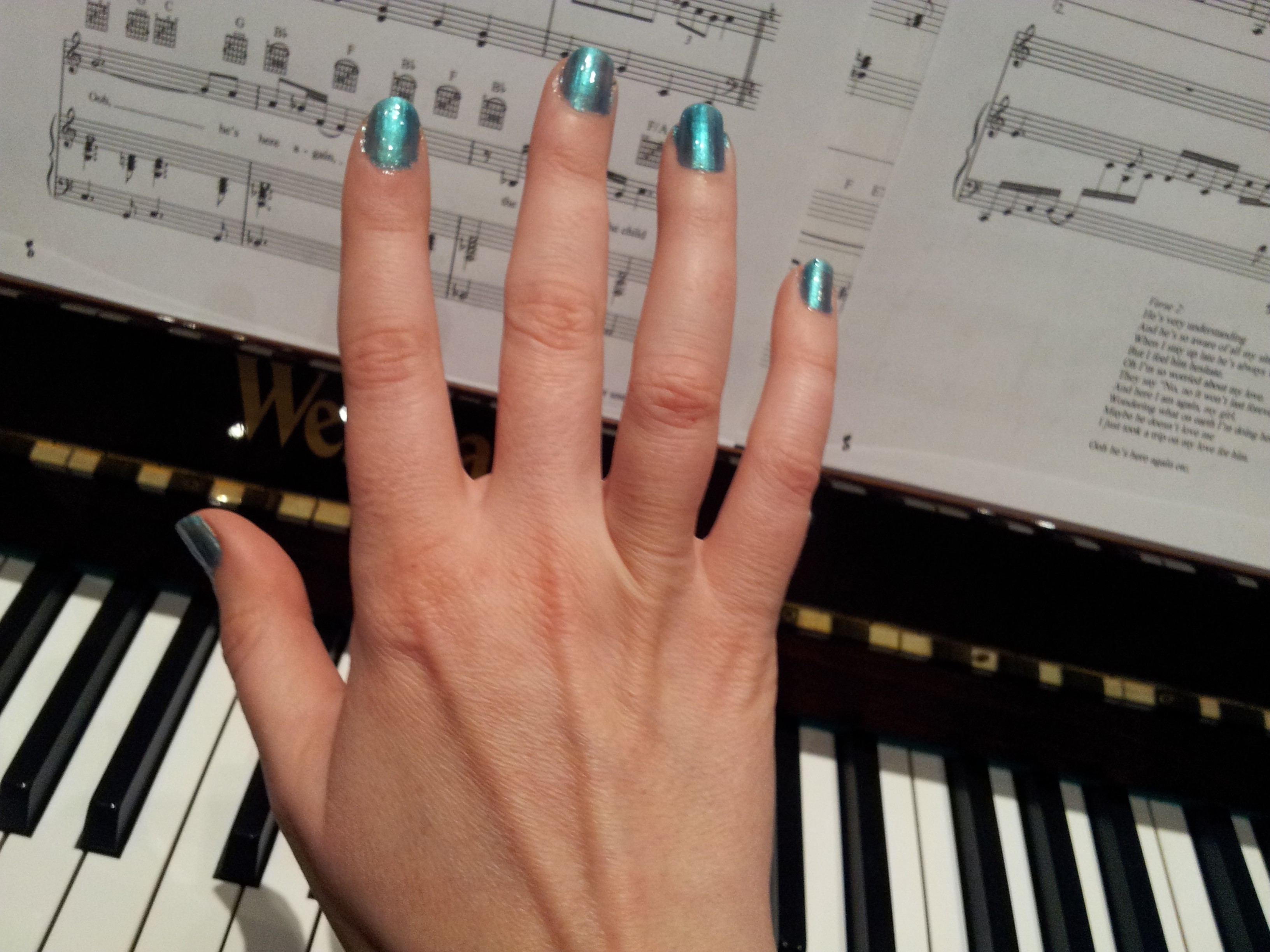
My "pretty princess" nails in support of Ferrett.

My “pretty princess” nails in support of Ferrett.

I originally became friends with Ferrett because of this blog, and in fact, he is the single person who has had the most influence on it. I came up with the idea of the Backbone Project because of his blogging advice, and in characteristic Ferrett fashion, he threw himself behind my idea with enthusiasm and support. And so we became friends.

Over time, we became better friends. And he was the first one who was there when life began to crumble apart. He was the one I could show the cracks and imperfections, the confusion and the doubt. He understood what I was trying to do, and he believed in my ability to do it, even when I couldn’t believe in it myself.

We were talking about what to do when we falter on Tuesday. If you’re lucky enough, having a friend who believes in you with all his heart can be a powerful thing indeed. And Ferrett has one of the biggest and most generous hearts of anyone I’ve met.

He’s also taught me what it means to be a friend. In a healthy, supportive, and non-people pleaser kind of way.

Through these last few days, when I’ve been mentally in a hospital in Cleveland even though I couldn’t be there physically, I’ve been reminded quite strongly of what’s important to me. I’m always big on priorities, of course, but there’s nothing like a life-or-death kind of event to give you a little extra kick and provide some perspective.

I’m in a liminal space right now, and I don’t like it. I mean, it has its advantages and interesting parts, and it is completely necessary, but it’s a hard place for me to stay for an extended period of time. But I realize that even in this space, I can and am focusing on the things that matter to me: the people I care about (and one very adorable little dog); my writing and creative work; maintaining and improving myself (physically, mentally, and emotionally); experiencing joy and wonder in the world around me.

Sometimes I feel like I don’t know what I want. But that is not actually true at all. I know exactly what I want. I just don’t always know the form it will take or the balance it will require.

Ferrett wrote a post for his blog the day before his surgery. He said: “There is a small chance that these will be the last words I ever write on this blog.  And if they are… let them be thanks and love.”

It doesn’t look like those will be his last words on the blog, thank goodness. But if they had been, they would have been very fine last words indeed.

Read Full Post »

A few weeks ago I got to have a conversation with a respected Buddhist teacher. I asked him if it ever got discouraging, working with people who are stuck in one place and seemingly unable to dislodge themselves. And I’ve been thinking about his answer ever since.

People change when they want to change, he told me. And if they don’t want to change, there’s nothing else to be done. Even when they do want change, the process is difficult and sometimes the desire alone is not enough. And sometimes people are so caught up in their own stories that they really don’t want to change. They’re comfortable in their suffering.

I know exactly what he meant, because I’ve been comfortable in my suffering in the past. It’s a strange way to think about things because of course, being comfortable in suffering is often vastly uncomfortable. The key is in its relativity: that however uncomfortable the suffering might be, it is less uncomfortable than the alternative. It is less uncomfortable than the prospect of what change might mean.

Photo by Graham.

However, it is not only fear of change that is a driver here. It is also an inability to imagine anything different. It’s so easy for us to become caught up in our worldviews to the point that we don’t remember that other worldviews even exist, much less have the possibility of being equally valid. It’s easy to become blinded to anything outside of our experience. It can be easy to expect the worst, and by expecting it, summon it into our lives. (And we might not even realize we’re doing this, because it might not feel like expecting the worst; it might simply feel like maintaining the status quo.)

We act based on what we know. So when we wish to change, we often must change not only what we are doing but also what we believe to be true. We must question what we believe to be within the range of possibilities for ourselves.

I believe in our capacity to change with an almost desperate fierceness. I have to believe in it that way because I’m right in the middle of it, and it’s hard, and I don’t want to falter in my resolve. I often feel like I’m working five times as hard as usual. This process rinses and repeats, often from the tiniest stimulus: how do I feel? where is that feeling coming from? is there a way I can think about this differently? is this part of the new me or the old me, the new world view or the old one? if it’s the old one, can I let it go? how can I use this to open more to the world?

It is quiet work. For the most part, the outside world remains unaware that it is happening. Sometimes a friend offers me a helpful hand. Sometimes that help is a distraction, the space to laugh at it all, or just the reminder, “Take some downtime, Amy.” Because while it may be quiet work, it is also tiring, making myself new.

But I’ll let you in on a secret. My imagination is working, and I can picture it now: where I want to go. Where I am going. And who I’m going to be. There was always that part of me imagining what I secretly wanted but thought could never happen. Only now I believe in it. That belief makes it almost close enough to touch. (Maybe I’m already touching.)

Whatever it is I’m doing, it’s no longer a comfortable suffering. Instead it’s something that reminds me what it feels like to be alive.

Read Full Post »

While I don’t often make New Year resolutions (except when I do), I like to stop and take stock of my life at the end of the year and set some goals for the year to come. After all, it’s hard to live your life according to your priorities if you don’t know what your priorities are!

amy and nala christmas 2012

Writing:

In 2012, I had several more stories come out, and I qualified to become a full member of SFWA. I also sold my first (and second) science fiction stories. I spent the bulk of the year working on my YA novel The Academy of Forgetting.

My plan for 2013 is to query a large number of agents and complete another YA novel. I’d also like to participate in at least a couple weeks of Codex’s Weekend Warrior (writing flash fiction). And of course, I want to continue to increase my focus, improve my writing skills, and read a lot.

Health:

Well, given that I spent six months waiting for my foot to heal, this year was on the frustrating side. But I was able to stay focused on my writing through it all, which I am very pleased about. My tooth from the drama of 2011 rarely bothers me anymore. And since the fall I’ve definitely been in less overall pain than I have for the last few years.

My wish for 2013 is that I can continue this whole less pain trend. I’d like to begin gradually increasing my strength. What I wish for the most is that I can begin to reintroduce some activities that I love but haven’t been able to do the past few years. Like dancing! And hiking!

Travel:

I wanted to get out of the country in 2012, and that didn’t end up happening. I mean, I went to World Fantasy in Toronto, but given that I pretty much only saw the hotel, I don’t think that really counts. However, I fell in love with Seattle, got to see Chicago for the first time, and faced down a hurricane in New York, so the year wasn’t without its adventures. I attended seven writing events, including three I’d never done before, and had a truly fabulous time.

So my wish for 2013 will be the same as last year’s: that I leave the country. And actually SEE and EXPERIENCE stuff while abroad. I’m considering trying to travel somewhere in Europe pre-World Fantasy in Brighton, which seems the most likely way to make this happen this year. I’ve already mostly planned out which writing events I’ll be attending for the year, although a few remain up in the air.

Personal Growth:

Oh, 2012. I cannot sum it up in one paragraph. I learned a lot, I changed a lot, I made progress towards becoming the person I want to be. My understanding of myself and the world around me is clearer than it’s ever been.

My wish for 2013? To take a loooong vacation. Ha! But seriously, 2013 is going to be a year of external change, when I get to put my clearer understanding into practice. I anticipate a fair amount of trial and error, so that should be … exciting. I’ll build on what I’ve been working on for the past two years, continue to practice my own definition of assertiveness, and look to create good habits so I can conserve energy.

Have any goals for 2013 you’d like to share?

Read Full Post »

I generally don’t do New Year’s resolutions. For me, they conjure up the idea of things people kind of want to do but don’t have the commitment with which to follow through. They have a half-hearted, wistful kind of air that frankly, I find a bit depressing.

That being said, for 2012 I made a resolution. Only I called it an intention to make myself feel better.

What I wanted to do this year was to focus on my friendships. I wanted more friends, and I wanted friends with whom I could discuss the things that are important to me. And I made a specific but modest goal: that by the end of the year, I would have two close friends, at least one of whom lived locally, with whom I felt comfortable being really open.

There were times at the beginning of the year when I felt very discouraged about this goal. I thought I was going to fail. I want to be clear that this had very little to do with the people around me, and very much to do with myself. I knew I had closed myself off in various ways, and that was hard to change. I had to force myself to take uncomfortable risks. I had to be assertive. I had to jettison the “I must always appear fine and happy and perfect” messages I’d been taught in childhood.

And now?

Photo by Ferran Jorda

Now I am surrounded by the most fabulous group of people I could have ever imagined. Each one of them is different, with their own superpowers, their own weaknesses, their own ways of being a part of my life. They have fun with me, they teach me, they comfort me, and they laugh with me. They welcome me with open arms when I visit, and they text and email during hurricanes. They dress up with me for James Bond because I think it’s the best idea ever, and they feed me, and they give me another chance. They encourage my writing and offer to help and give feedback so I can become better. They celebrate with me, and they hug me while I cry. They talk to me, and they listen to me, and we swap advice. They let me into their lives, and I let them into mine. Some of them even laugh at my jokes.

Some of them have been in my life for a long time. Some of them I’ve met recently. Some of them I see all the time. Some of them I rarely get to see. I feel like I’ve known some of them much longer than I actually have.

All of them have something in common: they support me being myself, flaws and all, and they support my vision for my life and who I want to be and the changes I have been making.

I love my friends with all my heart. They make my world brighter and my smile bigger.

No doubt some of them are reading this. I hope they are because it gives me another chance to say thank you. You are awesome, and I’m so glad we get to spend some time in each other’s excellent company.

A piece of common wisdom states that you should surround yourself with the kind of person you want to be. In other words, you want to spend most of your time with people who lift you up instead of bring you down.

Thank you, dear friends, for your lifting. I only hope I can do the same for you.

Read Full Post »

I believe in paying attention to the small scale.

Mind you, I have nothing against big dreams and lofty goals. You want to revolutionize modern transportation? Please do. You want to become a regular on the stage of the Metropolitan Opera? Fantastic. You want to write the next big novel, or design the next big advance in computing, or find new treatments for cancer? I’ll be cheering you on.

You want to save the world? Well, sometimes aiming high gives you the room you need to accomplish something great.

But whether we have great ambitions or not, who we are, how we behave, what we communicate, and the choices we make on a day-to-day basis can also have real impact.

This has been particularly on my mind as I watch the impact that others have on me and my life. On two separate occasions recently, I’ve been engaged in casual conversation with someone who I don’t know very well, and they’ve said something that changed my outlook and deeply influenced decisions I have since made. I don’t think either one of them was making any particular effort to do so, but both of them said something that changed me and helped me to see more clearly.

Photo by Cristian Bernal

We never know when we might do the same, when we will share a thought or insight or ask a question and change someone’s life forever.

When I was in Toronto, I was talking to a friend of mine who is a police officer, and somehow we got into a conversation about attempted suicides. My friend told me he talked to one guy who jumped off a bridge and survived, who said that while he was on his way to the bridge, if a single person had stopped him and smiled at him and asked how he was doing, he wouldn’t have jumped. A single person. Sometimes that’s all it takes.

And haven’t we all experienced that? The email or phone call at the right time, a trip out for frozen yogurt, an invitation to spend the holidays. The teacher who taught us how to think critically or write the hell out of a thesis statement, or the person who believed in our potential even when we were struggling. The sharp kick to send us back in the right direction, delivered without judgement.

I think that’s one of the reasons I find writing this blog to be so valuable. I never know when something I write here might be exactly the thing one of you needed to read that day. But the possibility that I could help someone with these essays the way certain blog posts have helped me keeps me writing.

This week in the United States we spend time thinking about gratitude. I think of the people who have helped me become who I am today, the people who have given me knowledge, advice, and wisdom, the people who have listened to me and provided moral support, the people who have blown me away with their generosity, and it is easy to feel grateful. It is also easy to see how their actions, often small and seemingly insignificant, have taken on a greater meaning.

The small scale matters, and part of its nature is that we might never know how much it matters. We often don’t find out how our influence ripples outwards, what lives we affect, how those lives touch other lives, and what ends up being different because we exist. We don’t know when we’ll say something that makes all the difference.

Which is why I think it’s important to pay attention. Tomorrow might be the day you accidentally change, or even save, someone’s life without ever knowing it.

Read Full Post »

I’m back in novel immersion at this point, as I push to finish revisions, and my head is full of my characters and their plot arcs and a plot hole that’s going to be annoying to fix. It is hard to pull myself out of that world and back into this one.

So I’m going to talk about liminal spaces because when I’m having trouble leaving my fictional universe, that’s what I think is going on. I’m existing in a liminal space, partly in the world of the novel that my imagination has forced into being, and partly in the world in which I have blog post deadlines and dinner to make and errands to run.

Let’s talk about the word liminal. It wasn’t strongly in my radar until I read Farah Mendlesohn’s interesting Rhetorics of Fantasy a few years ago. She divides the fantastic into four categories, and one of those is the liminal. In liminal fantasy, she posits, “the magic hovers in the corner of our eye.” An example of this category is Joan Aiken’s Armitage family stories, which I enjoyed reading quite a lot.

But liminal means a lot more than a category in fantastic literature. Liminal is about being in between, about being in transition, about being both and neither at the same time. In anthropology, Wikipedia helpfully tells us, liminality refers to “the quality of ambiguity or disorientation that occurs in the middle stage of rituals, when participants no longer hold their pre-ritual status but have not yet begun the transition to the status they will hold when the ritual is complete. During a ritual’s liminal stage, participants “stand at the threshold” between their previous way of structuring their identity, time, or community, and a new way, which the ritual establishes.”

Being in a liminal space is uneasy, uncomfortable, possibly awkward. Standing at the threshold is not without its dangers.

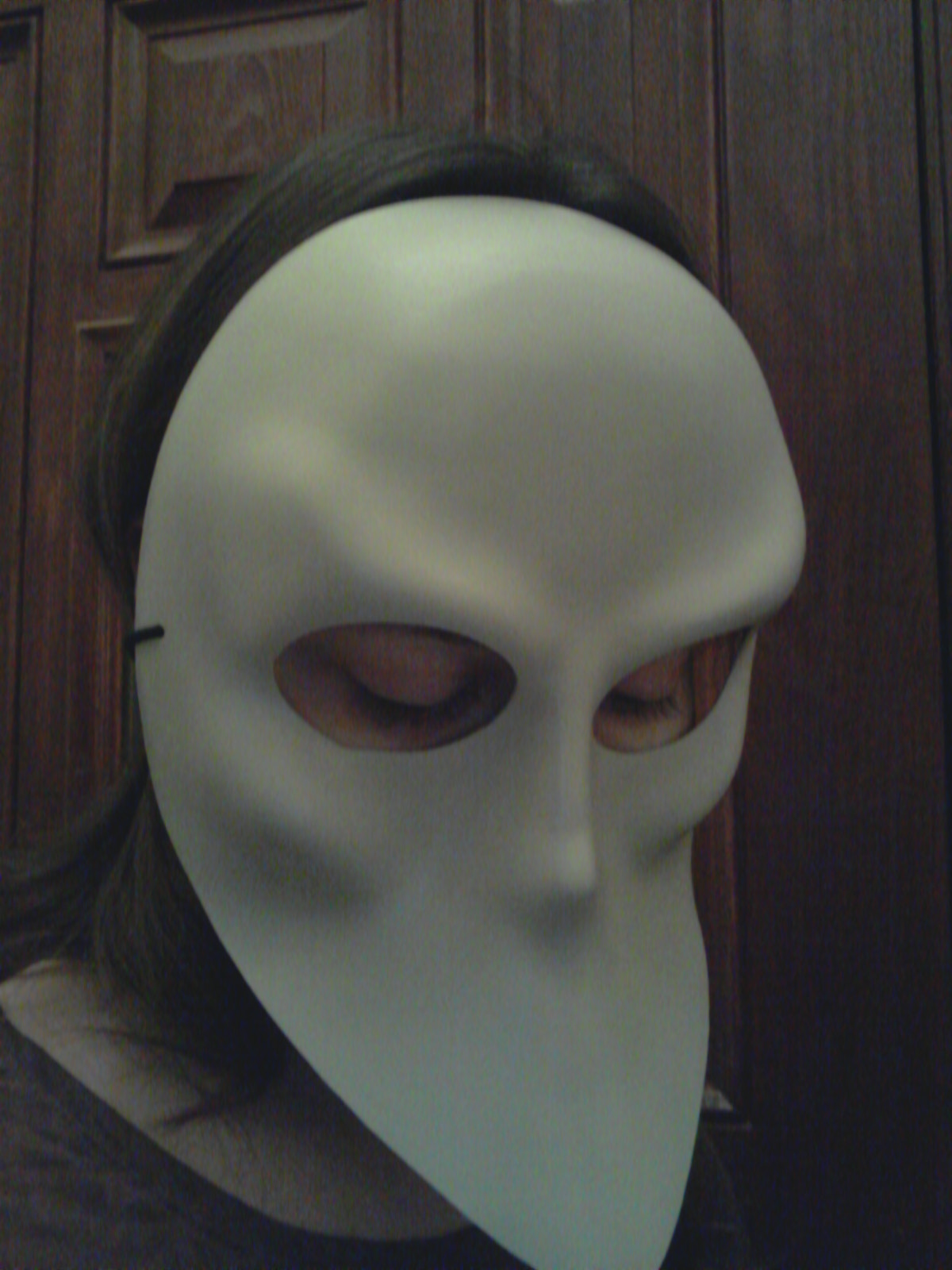
Audience or specter?

I went to see Sleep No More while I was in New York, and one of the things this performance art piece does quite well is create a sense of liminality for its participants. Are we an audience, or are we spectres? Are we invisible, or are we obstructions? There is nowhere I am supposed to go, and yet am I where I am supposed to be? There is a narrative being created, and yet there is no narrative visible.

Traveling can also create a liminal experience. I can be both in a place and not of a place. If I travel to several countries in quick succession, I can wake up in the morning uncertain about where I am, what language is used here, what currency. There is a clash between what I know from my world and what I experience in this new place.

Schrodinger’s cat is both alive and dead, and literature about dying talks about it as a liminal state between life and death. In fact, liminal states exist in most major transitions in life. Coming of age stories often rely heavily on the uncertainty and turmoil of the liminal state between childhood and adulthood. Waiting can be involved in liminal states, too: waiting for the results of the pregnancy test, waiting to hear what colleges have accepted you, waiting for the answer to your question, waiting for the hurricane to hit. And what about that strange state between waking and sleeping?

Liminal spaces are challenging, and yet they can also offer freedom. The spaces in between offer us opportunities to recreate ourselves, to see the world with fresh eyes, and to drill deeper into the experience of being human. When we’re no longer sure who we are or what labels we’re claiming, we have room to explore who we want to be.

And critically, when we are standing in the shifting sands of liminal space, we are sometimes able to see more clearly what is important to us and what we want our priorities to be.

Read Full Post »

« Newer Posts - Older Posts »