Feeds:
Posts
Comments

Archive for the ‘Uncategorized’ Category

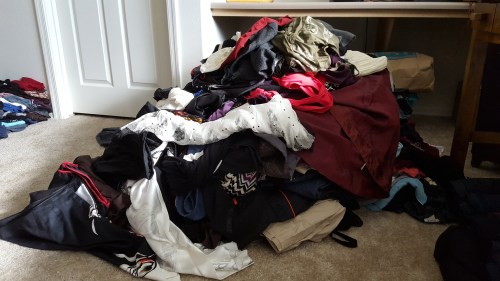
Stuff has a weight.

20160321_163318

It doesn’t matter if it all has its own place. It doesn’t matter if much of it is hidden away behind doors and in cupboards and drawers. It doesn’t matter if it’s nice stuff or old stuff or ugly stuff or useful stuff.

Stuff has a weight, and I know that because engaging with it deeply the way I am now, I feel it. And so much of it carries the weight of the past.

I wore this skirt in high school. I got this T-shirt in Norway. I wore this dress to a high school formal or during a time when someone hurt me badly. I got this table from my stepmom who disappeared after she broke up with my dad, never to return. I wore this at my wedding. My mom made this. My mom gave me this. My mom owned this. My mom loved this.

I hold on so tightly to my stuff. But none of this is now. None of this is even close to now.

It’s as if this stuff, it proves these things happened. It’s physical proof. Coming from a household where memory was seen as the opposite of reliable, proof matters. I used to run over things that happened again and again because I was afraid I would forget, and by forgetting I would lose myself. And I’d seen exactly how ugly that could be. So I had my litany, like a horror show bedtime story, so I’d remember who I was and where I’d been.

It worked. I remembered.

And I realize now, so many years later, that I know what I know. I know what has happened to me. I know what I’ve done. I know the choices I’ve made, the good and the bad and everywhere in between. I know who has been important to me, who I’ve loved without measure, and I know the difference between the people I know who are safe and the people I know who cannot be trusted.

I don’t need stuff to tell me who I am, or who I’ve been.

Trust me to find something profound in engaging in spring cleaning. Yup, this is definitely who I am.

In The Life-Altering Magic of Tidying Up, Marie Kondo says:

“It is not our memories but the person we have become because of those past experiences that we should treasure.”

When I was a teenager and a young adult, there were things in my life I wished were different. Hard things. I thought about wishing they’d never happened. I mean, I did wish I’d had it easier. But then I thought, “Well, I am the person I am today because of everything that has happened to me. And I like who I am. So that is something to be grateful for.”

Thinking this way didn’t make everything okay. But it did make it meaningful, and that was enough for me to move forward, to keep trying, and to not give into despair and rampant cynicism.

This is what I think about now while I make decision after decision about what stays and what goes. I’m not getting rid of the things I really love right now. And because it’s me, that’s a fair number of things. There’s no worry about me going all minimalist any time soon.

But it is not the stuff that matters. And some of this stuff, I’ve been dragging it around from place to place for reasons that are no longer true. If they ever were.

I’m letting go of the things that are heavy.

Read Full Post »

2014 was an AMAZING reading year for me. So incredible that I have trouble shutting up about it sometimes. Honestly, the only bad thing about my reading year has been knowing how hard these year-end reading posts will be to write. Because how can I choose between all these amazing books I read this year?

So yeah, this might be kind of long. And I might also not mention some books that would normally make the cut.

First, a few stats because I geek out about these things. So far in 2014, I’ve read 57 books. (Of course, there are still three weeks of the year to go, so I suspect the final count will be higher.) 22 of the 57 were YA or MG (although I only read two MGs this year), or about 39%. 20 were adult science fiction or fantasy, or about 35%. 41 were written by women, about 72%. And thanks to my POC reading challenge, 14 were written by people of color, at not quite 25%.

Today I’m going to be talking about the YA novels I’ve read this year that have stuck with me. Most of the titles are contemporary YA (I read a lot of it this year).
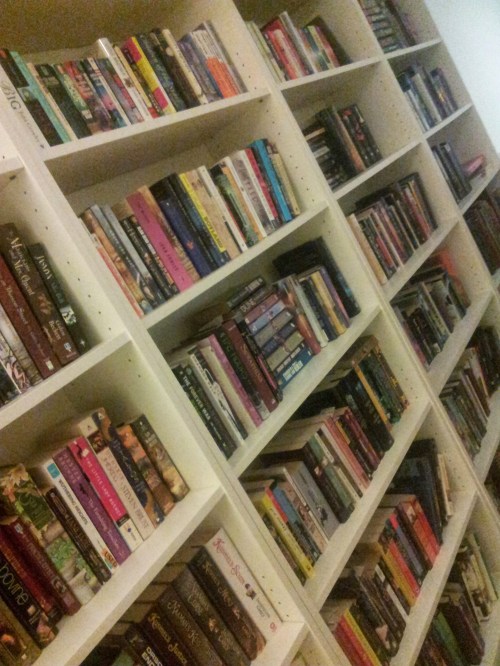
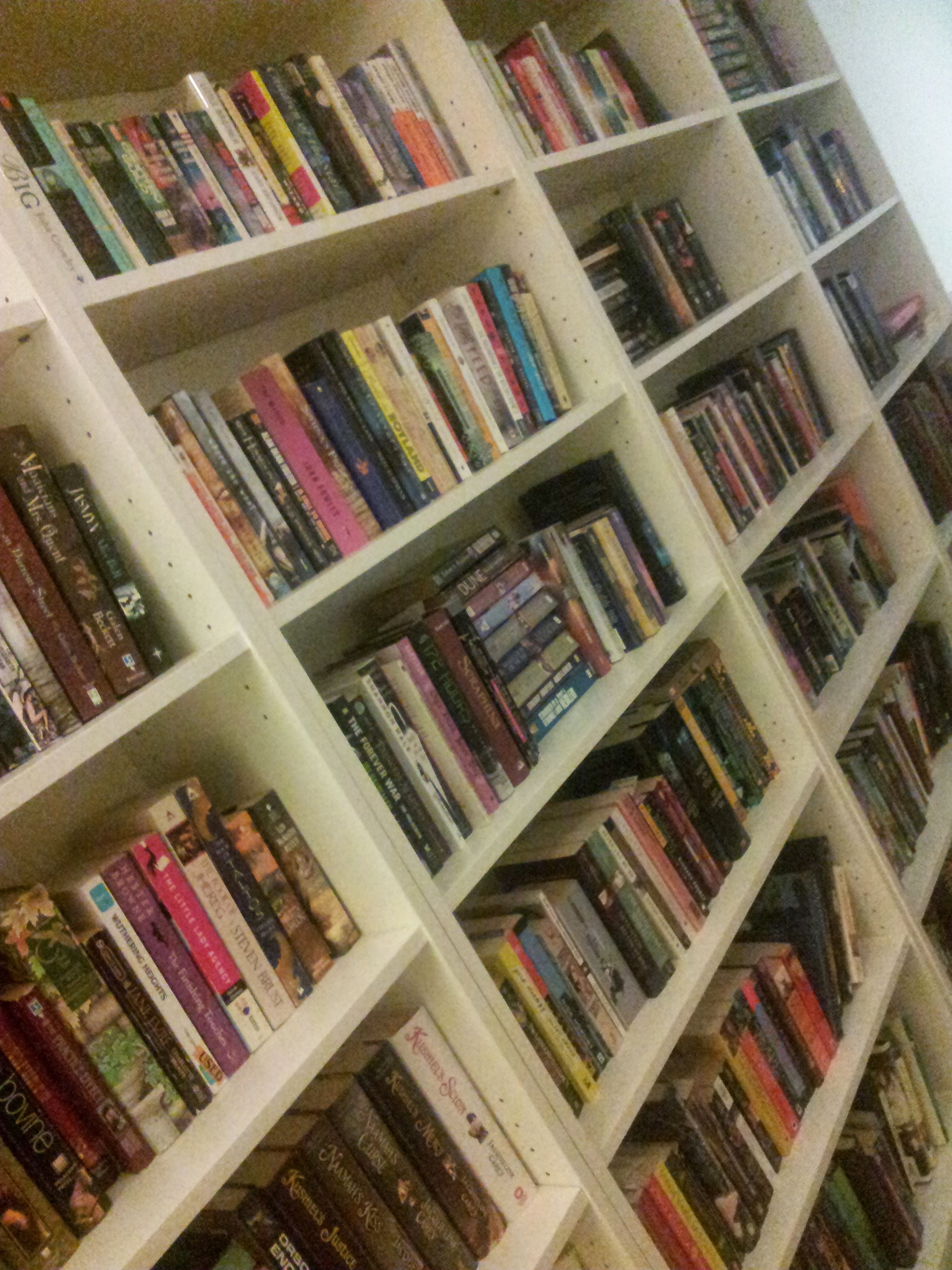
Books, books, and more books!

Books, books, and more books!

Interesting Enough to Mention:

Shatter Me, Unravel Me, Ignite Me trilogy by Tahereh Mafi (dystopia)

I was torn as to whether to include this trilogy on my list, and I’m still a bit torn. It certainly isn’t going to be for everyone, to put it mildly. It is overwrought (which I actually like but your mileage will vary), it is melodramatic, there are plot holes, the world building is … not the most convincing thing ever. But. (You knew there was going to be a but.) If the overwrought prose style doesn’t drive you bonkers, it is actually a fascinating reflection of the character’s precarious mental state, and it changes over the course of the three books as she changes, and that’s just cool. And I love the protagonist’s character arc across the three books. Also, Tahereh Mafi knows how to write a romance. But there are some troubling indications of gaslighting etc. here too. So, I don’t know. Definitely memorable enough to talk about, that’s for sure.

The Testing, Independent Study, Graduation Day trilogy by Joelle Charbonneau (dystopia)

An easy-to-go-down, suspenseful dystopia trilogy. The main criticism I’ve heard about it is that the main character is a Mary Sue. Yeah, whatever, it was nice to watch a female character be so competent. (And I’ll mention that so often when the female main character is not a Mary Sue, instead she’s “unlikeable.” Oh, what a fine line we draw for our fictional women.)

My Favorite YA Reads of the Year:

Seraphina, by Rachel Hartman (Fantasy)

I feel like this book has a disadvantage because I read it waaaay back at the beginning of January, which means I don’t remember its details super well. What I do remember is that it is a creative dragon fantasy that didn’t irritate the hell out of me, which is noteworthy in and of itself. Also it featured music, hooray! And a plot that (from what I remember) held together for me AND was exciting.

Reality Boy, by A.S. King

Yay, a dysfunctional family story told from the victimized and traumatized viewpoint of the “Crapper,” as he became known in his family’s reality TV days. (I realize that might have come across as sarcastic, but I am actually completely serious in my love for dysfunctional family narratives. Their potential for conflict and depth is verra attractive.)

We Were Liars, by E. Lockhart

You either love this book or you hate this book, apparently based on whether one twist towards the end works for you or not. It worked for me, and therefore I loved the book. That being said, I also liked the structure, the interstitial “fairy tales,” and our troubled protagonist. Yes, she is privileged, and that privilege is worked into how messed up everything in her life is, which I appreciated.

Since You Asked, by Maurene Goo

To be honest, I don’t remember much of the plot of this one. What I do remember is that it was FUNNY. The protagonist Holly is hilarious and snarky and full of attitude and I could read her voice all day. Also she gets into trouble by writing a newspaper column, and I love novels that feature high school students working on newspapers, so this is my jam.

Memoirs of a Teenage Amnesiac, by Gabrielle Zevin

Stories featuring amnesiacs are also my jam, and this one is less silly and more serious than most of them. I’m fascinated by memory, and the way this book played with that theme was thought-provoking as our heroine got to see her life and the people in it from a different perspective. I also liked its realistic handling of romance.

Some Girls Are, by Courtney Summers

My friend recommended this, and as you know, I am always leery of books that have been recommended to me. But I gave it a try, and then I felt like my friend knows me! Because this was such a good Amy book! Dark and gritty with a not-very-likeable protagonist whom I adore to pieces. It’s about rape culture and bullying and going to a dark place for self-preservation, and it all felt very, very real.

The Truth About Alice, by Jennifer Mathieu

And then I found this book soon afterwards, and it explores some similar themes, but the structure is oh! so brilliant. There are several different point of view characters, all of whom give the reader different pieces of the puzzle to understand the swirl of rumors surrounding the central character Alice. And we don’t hear from Alice herself until the very end.

I’ll Give You the Sun, by Jandy Nelson

This was probably my favorite YA read of the year. I love the prose, I love the contrasting POV characters of brother and sister. I love the structure of how there was a gap in time between the alternating chapters: in the brother’s chapters they are 13, and in the sister’s chapters they are 16. I love the sibling relationship with so much love. I love the characters and their passion and their dark broken places. I love the truths that come to light as the story unwinds itself. The only thing I didn’t love about this book was the ending, which was a bit too pat for me. But even so, wow, what a book.

What I Want to Read in YA Next Year:

I’d love to read a YA dystopia that really holds together plot-wise for an entire three books! Or else isn’t three books long. That would be cool. Also unlikely since dystopia is not the it genre any more.

Now That You’re Here, by Amy K. Nichols. This is my friend’s YA science fiction novel that COMES OUT TODAY! I am very excited about it!

All the Rage, by Courtney Summers, who wrote Some Girls Are above (out in April 2015)

Glory O’Brien’s History of the Future, by A.S. King

Belzhar, by Meg Wolitzer

To All the Boys I’ve Loved Before, by Jenny Han

The Winner’s Curse, by Marie Rutkoski

The Spectacular Now, by Tim Tharp

Eleanor & Park, by Rainbow Rowell

The Young Elites, by Marie Lu

I Was Here, by Gayle Forman (out in January 2015)

Shadow Scale, by Rachel Hartman, a companion novel to Seraphina above (out in March 2015)

Rhiannon, by David Levithan, a follow-up to Every Day, may be coming out; if so, I’m all over that! I still think about Every Day sometimes.

Okay, okay, obviously I could go on forever here, so I’m cutting myself off. What YA novels did you read and like this year? Which ones are you looking forward to reading next year?

Read Full Post »
Travel Day

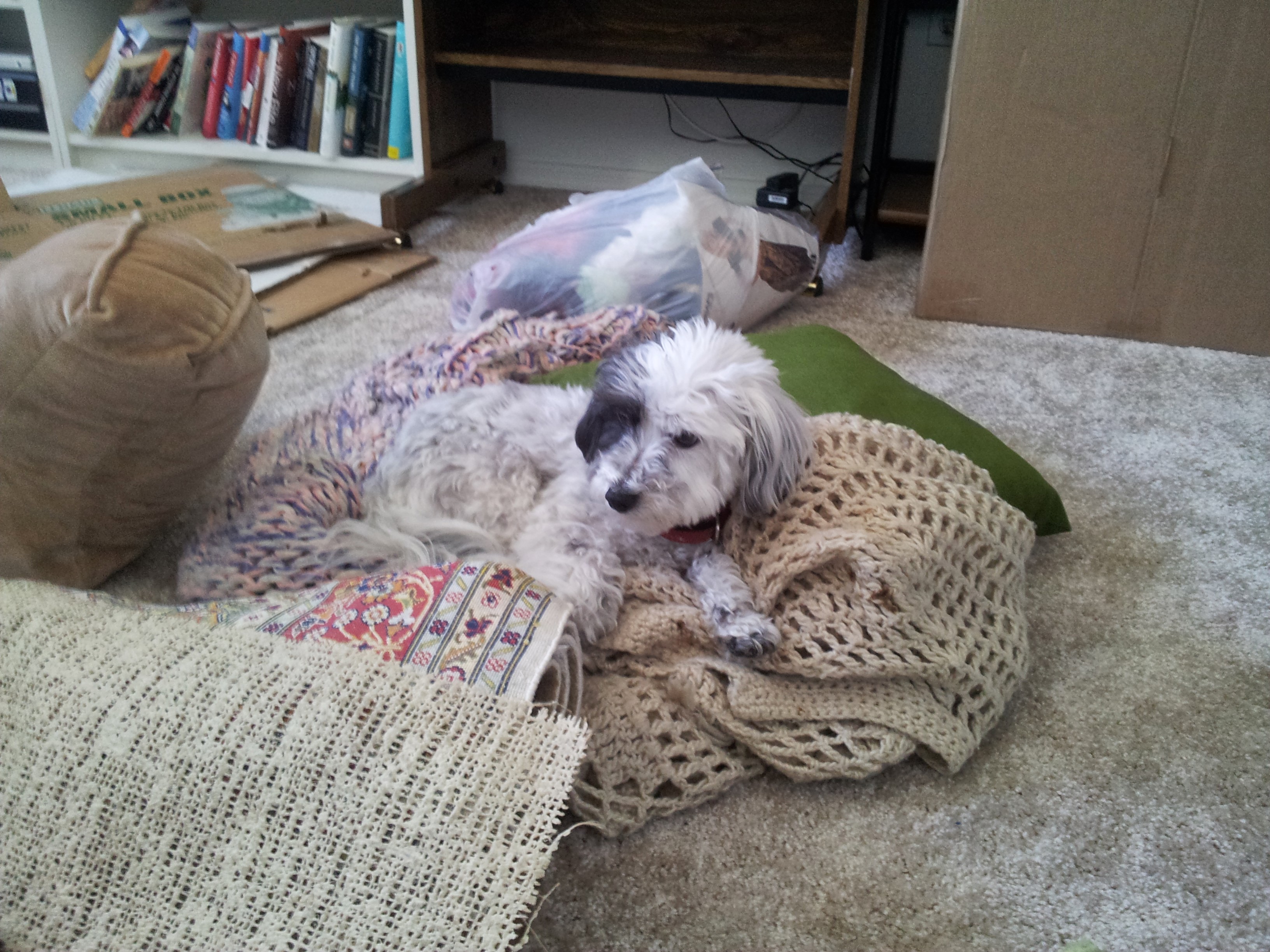
Today is a travel day, so here, have a photo of a cute little dog:

Adorable.

Adorable.


She took advantage of the chaos of moving to find a particularly comfortable place to sleep.

Read Full Post »

Writing Will Change You

While I was at my annual writing retreat in the rainforest this year, I had an interesting experience. It was Saturday morning; I had already been writing intensively for two days, and I had one day to go. I launched myself into a scene in my novel that was particularly emotional and heart wrenching.

By the time I finished writing the scene, I’d become so deeply involved and invested in my protagonist that I was literally very upset. I felt like I’d gone through an emotional wringer: my chest was tight, the place behind my eyes ached, my breathing was more shallow. It was time to go over and have a communal lunch of homemade soup and grilled cheese sandwiches, but I found as I ate my mind wandered back to the scene I had just written, and I was having trouble focusing on conversation.

My heart felt bruised, and it took a few hours before I felt more like myself again.

I thought of this experience when I stumbled across an article in the Atlantic: “How Actors Create Emotions: A Problematic Psychology.” It talks about the research being conducted by assistant professor of psychology Thalia Goldstein about the links between psychology and acting. In the article, she talks about the distinctions between pretense, lying, and acting from the perspective of cognitive psychology.

What many writers of fiction do is very related to this as well. We joke about telling lies for money, but most of us also believe that what we’re doing when we tell a story is communicating an essential truth through our fiction. Nancy Kress, my teacher at Taos Toolbox, compares her writing process to Method Acting, and I go about much of my writing in a similar fashion. I inhabit the lives and worlds of my characters, and I try to feel as they feel. Just as actors experience psychological effects from their acting, so too do fiction writers. And it’s part of our job to learn how to deal with such effects in a healthy way.

Photo Credit: Phil W Shirley via Compfight cc

The article cites Tony Grego, a well-known acting teacher, who says: “And you can imagine that if you decide to take on Blanche DuBois, when the play is done you don’t go home and not think about all the questions that these great roles bring up inside of you. If you really decide to go where these great roles will take you, then you come out of them a changed person.”

And if you really decide to go where your story, your novel, your characters are taking you, then in the process, you the writer will change. It’s not that every word I write changes me, but I am a different person at the beginning of a novel than at the end of that novel. I even change over the course of a short story, although usually not as noticeably.

I wonder if this is true of all art, that in the process of creating it and engaging with difficult questions and truths, the artist inevitably changes. I also wonder if this is one of the reasons why art does make us feel more alive, because it is forcing us to grapple with truth in different ways than we are otherwise called upon to do.

Back to the retreat. I let myself feel those feelings that had arisen from writing my emotional scene, and I reminded myself where the feelings had come from. I gave myself some space, had some food, took a little walk. And they faded. But the experience of writing that scene and going to the place my character needed to go to be true has made me a richer person. And that’s what I’ll carry with me going forward.


Read Full Post »

Oh, Joyous Retreat!

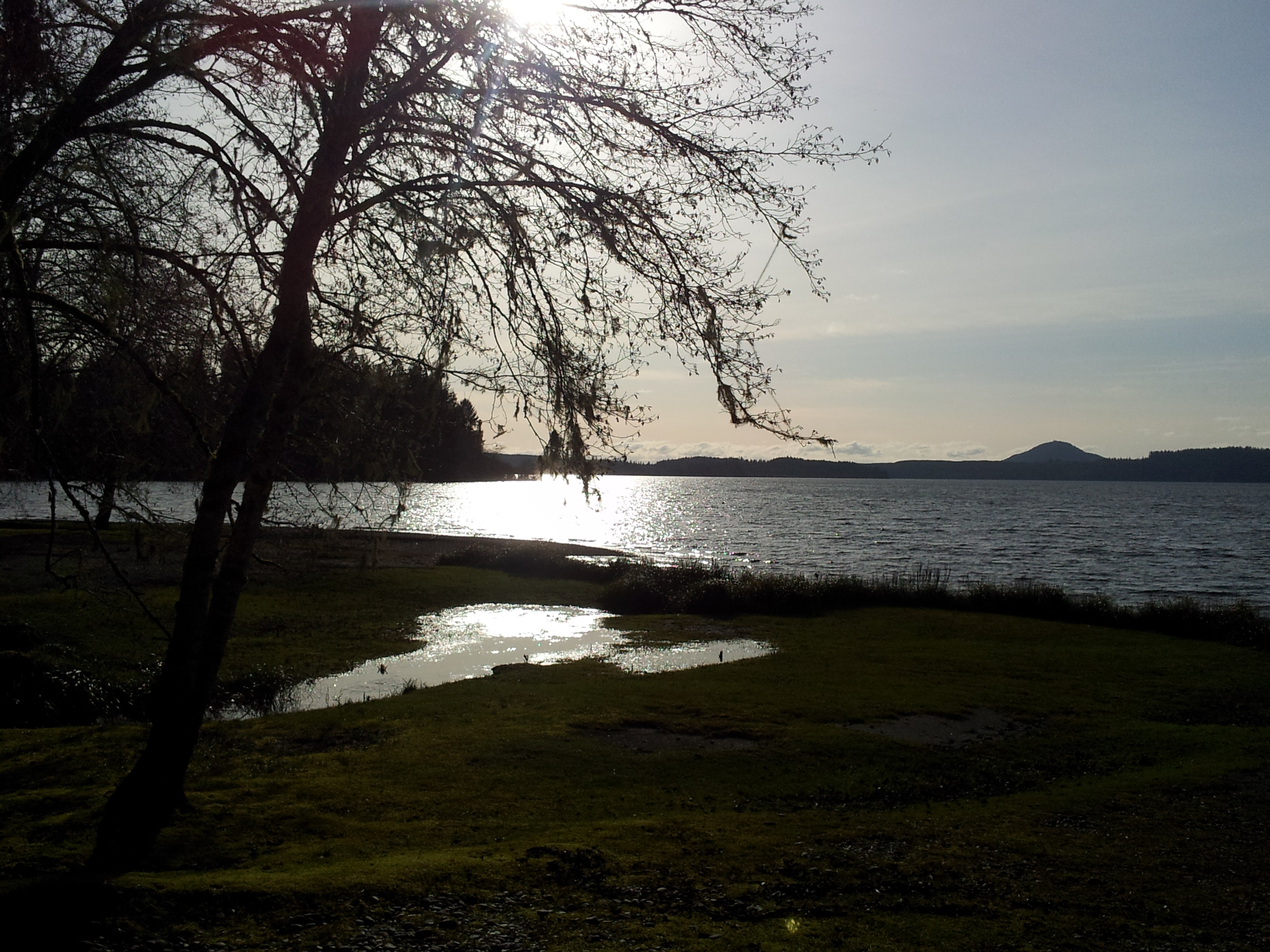
This is where I am today:

Beautiful Lake Quinault

Beautiful Lake Quinault

And this is the cabin I’m staying in:

My cabin

My cabin

Looks pretty cozy, doesn’t it? I am taking a break from the house-hunting/moving grind to write and spend time with a wonderful group of writers up in Washington.

See you next week!

Read Full Post »

For my American readers: Happy Fourth of July! For everyone else: Carry on!

How am I celebrating today? Well, I’m having some friends over to play a spirited indie RPG game called Spirit of the Century, in which I play an ace reporter/cat burglar (my character loves shiny things sooo much). Afterwards, we will grill some meats and non-meats on the barbecue, as is traditional. And we will try to comfort Nala if the fireworks get too loud.

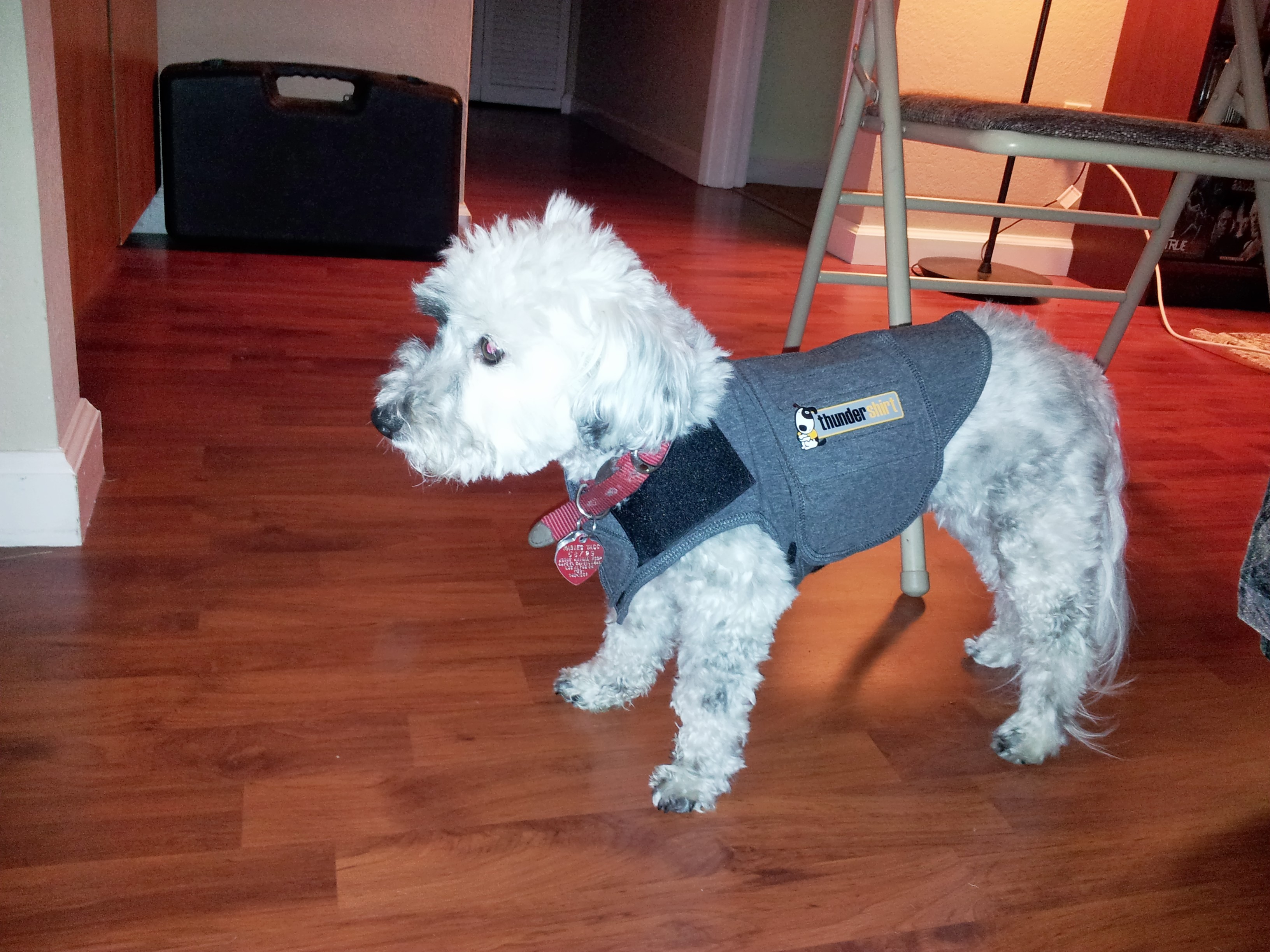
If the fireworks get too loud, Nala will wear her Thundershirt.

If the fireworks get too loud, Nala will wear her Thundershirt.

Then on Friday, I’m off to Portland to attend the World Domination Summit, the brain child of blogger and travel hacker Chris Guillebeau. I am going to learn, be inspired, and meet people who are following their dreams. It should be quite a weekend.

Enjoy the rest of your week!

Read Full Post »

I spent a lot of time talking about writing last week, which meant it was an incredibly happy time for me. It also means I’ve been spending a lot of time thinking about writing, and the process of becoming better at something, and what it really means to engage in and spend your time on the pursuit of mastery.

What I’ve found is this: There is the big picture, the goals/dreams we are pushing ourselves toward. In writing, this might be having a story bought by a certain magazine, or getting an agent, or getting a book deal, or getting into a certain program, or reaching a certain sales goal, or a hundred other goals. These goals can be a positive force in our development, keeping us motivated, focused, and business-minded, as long as we can stay resilient enough to weather the disappointments.

When we achieve one of our goals, we experience a spurt of joy. It is very exciting. If you are me, there might be clapping and bouncing and maniacal cackling. There is a time to savor the achievement.

Similarly, when we fail to achieve one of our goals, we experience a spurt of sadness and disappointment. If you are me, there might be sulking while playing solitaire or making loud “Hmmph!” noises. There is a time to lick wounds and regroup.

If everything in our process is basically working, then either way leads to the same result. The work. The practice. The study. The craft. The art.

Photo by Darwin Bell

The good news is wonderful; the bad news sucks. But what really matters is what happens in between these peaks and valleys. If you’re a writer, you write. If you’re a musician, you play. If you’re a painter, you paint. If you’re a chef, you cook. If you’re an entrepreneur, you come up with and implement ideas. And always, you are working, practicing, and striving to become better.

The bursts of joy and sorrow can be intense, but they don’t last. What does last is our relationship to our calling. The words. The story-telling. The breath. The process.

This is what it means to seek mastery.

Read Full Post »

Does publicly stating our goals make us more accountable and therefore more likely to achieve them? According to some recent research, no, not as much as we may think. Apparently sharing a goal publicly sometimes actually decreasesour commitment to it. In addition, we feel we’ve made more progress towards the goal just through the act of sharing it, without taking any other action whatsoever, therefore making us more likely to feel complacent or like we don’t need to work as hard.I bring up this little tidbit of research because I’ve seen lots of advice saying the exact opposite. I’ve been advised that sharing my daily word count, both target and actual number, can help my productivity. I’ve seen people sharing their monthly fitness challenges and their target weight numbers. Even my routine of blogging twice a week is a public commitment of sorts. The tried and true advice seems to be that if you wish to finish a project, tell someone about it and that way if you don’t do it, you’ll feel bad–hopefully bad enough that you’ll actually push yourself through it.Yeah, and that works so well with New Year’s resolutions…

Increasing accountability can be a wonderful tool. I have many friends who take exercise classes or work with a trainer on a regular schedule to keep themselves exercising. Music lessons work in the same way; after we have paid the money and form a working relationship with our instructor/trainer, we have greater incentive to “get our money’s worth” and work harder for our instructor’s praise. Other people make their business goals public and are thus able to gain valuable PR, build tribes (aka fan bases), and raise capital. Sharing goals can also be a great way to bond with a community.

However, I question whether external validation, pressure, and support are enough. Perhaps they’ll give us a boost when we need one and help get us through the hard times. But we shouldn’t forget the importance of internal commitment. How highly do we value our goals, and do we value ourselves highly enough to see them through? What do we actually care about? How can we best support ourselves? And at what point do we need to reevaluate our goals and adjust as necessary?

I don’t think the answer is to eschew public goal-making altogether. Rather, I think it’s important to pay attention and make sure that stating our aims publicly is having the desired effect. If we realize that telling other people what we mean to do is making us feel like we’ve accomplished more than we have, we can compensate for that fact by giving ourselves “extra” to do. If we realize that we often share plans that we don’t follow through on, then we can stop sharing and see if there’s a noticeable difference. If we have systems in place that work well at increasing our accountability, then we can keep on doing what works.

We are not cookie-cutter creatives; we are not one-size-fits-all human beings. As a result, so much advice and so many rules turn out to be over-simplifications. When thinking advice over and deciding on a best course of action, here’s what I try to remember: do what works.

Read Full Post »

Many of you will remember my first backbone post in which I gave my own take on how critiques can go wrong. Now, I think that critiques can sometimes be an extremely helpful tool for writers, so I’d like to talk about my ideal critique. Before I begin, though, I’d like to emphasize that all writers are different. Thus, my idea of an ideal critique and your idea of an ideal critique may in fact be radically different. I’m not saying that my ideas are the only right ideas. There are several different styles of learning, so it follows that there are probably several helpful ways of critiquing. The trick is to figure out which one works for you. If what works for you is ignoring everything I’m about to say, more power to you!

For me, critiques are all about learning. When I’m receiving a critique, I’m doing so in order to learn more about writing and to improve my writing abilities. While it is lovely when critiques end up making my story stronger, that is not my primary motivation for seeking critiques. Instead, my goal is to continue to improve by gaining insight into what works and what doesn’t work. When I’m giving a critique, I’m doing the same thing: trying to teach the writer in question by pointing out what worked and didn’t work for me as a reader.

One thing I am not trying to learn from critiques is how to deal with rejection. I understand that others feel differently, but honestly, I get plenty of practice dealing with rejection by…getting rejected. There is no shortage of editors and agents happy to help me out in this regard, except with them, there is always at least the chance that they will instead decide to help advance my career and/or give me monies! Another thing I’m not looking for in critiques is warm and fuzzy validation that everything I write is awesome. If everything I wrote was awesome, I’d be getting warm and fuzzy validation from my fans, who would be–guess what!–paying monies to read my work. Yes, I know, again with the monies. Notice a trend?

I look at critique as a learning process between colleagues; therefore, my main focus is on how I can help the other writer, and this focus informs my delivery. My husband tells me that people get promoted into higher tiers of management partially because of their ability to deliver bad news. Delivering bad news well is hard! And yet this is, I believe, an essential skill in giving a good critique because almost every critique is going to include the bad news that our work isn’t perfect (and it might even be hanging together precariously with paper clips and duct tape).

Here are some guiding principles that I try to think about as I critique:

1. Mention the positives as well as the negatives. It is so tempting not to do this, and instead just focus on what’s broken. Sometimes, honestly, it’s hard to even think of any positives. But not only does this leave the writer more receptive to thinking about any criticism, it also shows the writer what she’s doing right, what she shouldn’t mess with, and what her strengths are (that she can showcase and allow to shine in future work).
2. Discuss what doesn’t work in a matter-of-fact and positive manner. Example A: “I can’t believe you used all those adverbs. There were just adverbs adverbs adverbs flying all over the place. Get rid of those goddamned adverbs, okay? It was just so bad how you used all those adverbs.” Example B: “I noticed you used a lot of adverbs. I’d suggest going back through and deciding which of them you actually need.” Example A makes people feel bad and stupid and discourages experimentation. But if you’re not experimenting as a writer and taking risks, how are you ever going to get better? (Note I am not actually advocating vast amounts of experimentation with adverbs in particular.) Example B or something similar is what I prefer.
3. State your points in a clear and concise manner. So often I hear people speak at length about one point of criticism that they could have easily expressed in a few sentences. In a verbal critique, using loads of examples to make your point is not required. Instead, mark them on the hard copy of the manuscript or in track changes, and summarize when you’re speaking. The writer can always ask questions later if something is not clear.
4. Use ditto freely. Another thing I hear a lot is several critiquers waxing long about the same point, one after the other. There is no need to do this. Instead, just say, “I ditto Katherine that the beginning seemed slow” and move on. My Taos crew were experts at doing just this, and it was amazing how much it sped critiques along…as did the two-minute time limit per person.
5. Decide what key points you wish to make verbally ahead of time. Prepare for the critique as you would for a lesson. (Can you see my teacher background here?) Consider typing up a summary sheet of your critique that you can give to the writer afterwards. I know a few writers who are masterful at doing this, and I always look forward to receiving critiques from them.
6. Help the writer by talking about their story, not yours. We all have the types of stories we like to read, and the types of stories we like to write. These types might not be the same for other writers! (I know, it’s shocking, but there it is.) Give feedback and suggestions while keeping in touch with the story you think the writer was trying to tell instead of figuring out what story you would be telling. The second rarely provides a useful learning experience since it mostly just reflects your own personal taste.
7. Critique with an eye towards making clear the promise and/or vision of the story. Benjamin Rosenbaum said something very intelligent in the comments of my critique backbone post. “I think detailed, specific positive critiques — not just cheerleading, but analysis of what worked — are actually more useful than negative ones which focus on what’s not working. Both are useful, but in the end you want to revise towards a vision, not away from problems. Doing the latter will result in a dead story — all rough corners smoothed away, with what’s left being something no one would object to, but no one is excited about either.” What he said. If we as critiquers can help the writer hone his vision, then we’ll leave him excited, both to potentially revise this story and to write in general.
8. Be encouraging. There is no reason for a writer to leave a critique feeling like a swollen and bloody rat. Honestly, I don’t care how bad the piece might have been. If a writer is regularly working and improving, there is something to be encouraging about, whatever the flaws. I’m not saying to lie and say this was the best story you’ve ever read, but a few kind words acknowledging that the writer has worked hard can go a long way. No, editors and agents won’t usually give these words. That’s why it’s even more important that they be given by supportive colleagues.

Of course, this list covers my ideal critique. In practice, I often fall short in execution, but it is what I strive for. I have been lucky enough to receive many fine critiques that have taught me both how to be a better writer and how to critique with an eye towards helping a writer learn instead of tearing them down.

What is your ideal critique? What are your guiding principles when you’re preparing a critique? What about giving a critique do you find the most difficult? Let me know!

Read Full Post »

Thank You

As this year draws to a close, I’d like to thank you, my wonderful readers, for allowing my words to live on in your minds.

I’d also like to thank all the wonderful new friends I have made this year: in particular, the friends that I’ve met through SCBWI (District 14, Asilomar, LA), through Taos Toolbox, and at World Fantasy.  You have made a huge positive difference in my life, and for that I am very grateful indeed.

May we meet again in 2011 and beyond.

Read Full Post »

« Newer Posts - Older Posts »